If you’ve been here before, you already know how much travel shapes the way I see the world. And if you’re new, most of what I share comes from being out there, experiencing places as they are rather than as they’re sold.
The Philippines was one of those trips that stayed with me from the start.
The first thing I noticed was how alive everything felt. Not loud or overwhelming, just full of movement and presence. The water shifted between shades of blue I didn’t think were real, from soft turquoise near the shore to something darker and deeper the further we went out. Even before getting in, I had the sense that what was happening below the surface mattered more than anything happening above it.
That’s why I decided to focus this trip heavily on diving. As soon as I descended, everything slowed down. The noise disappeared and it became just breath, movement, and observation. Reef walls dropped into the distance like entire underwater cities, schools of fish moved together in perfect coordination, and every now and then something bigger would appear, calm and completely uninterested in us.
It didn’t feel like entertainment. It felt like being allowed into a world that wasn’t mine. That’s probably why what happened later stayed with me more than I expected.
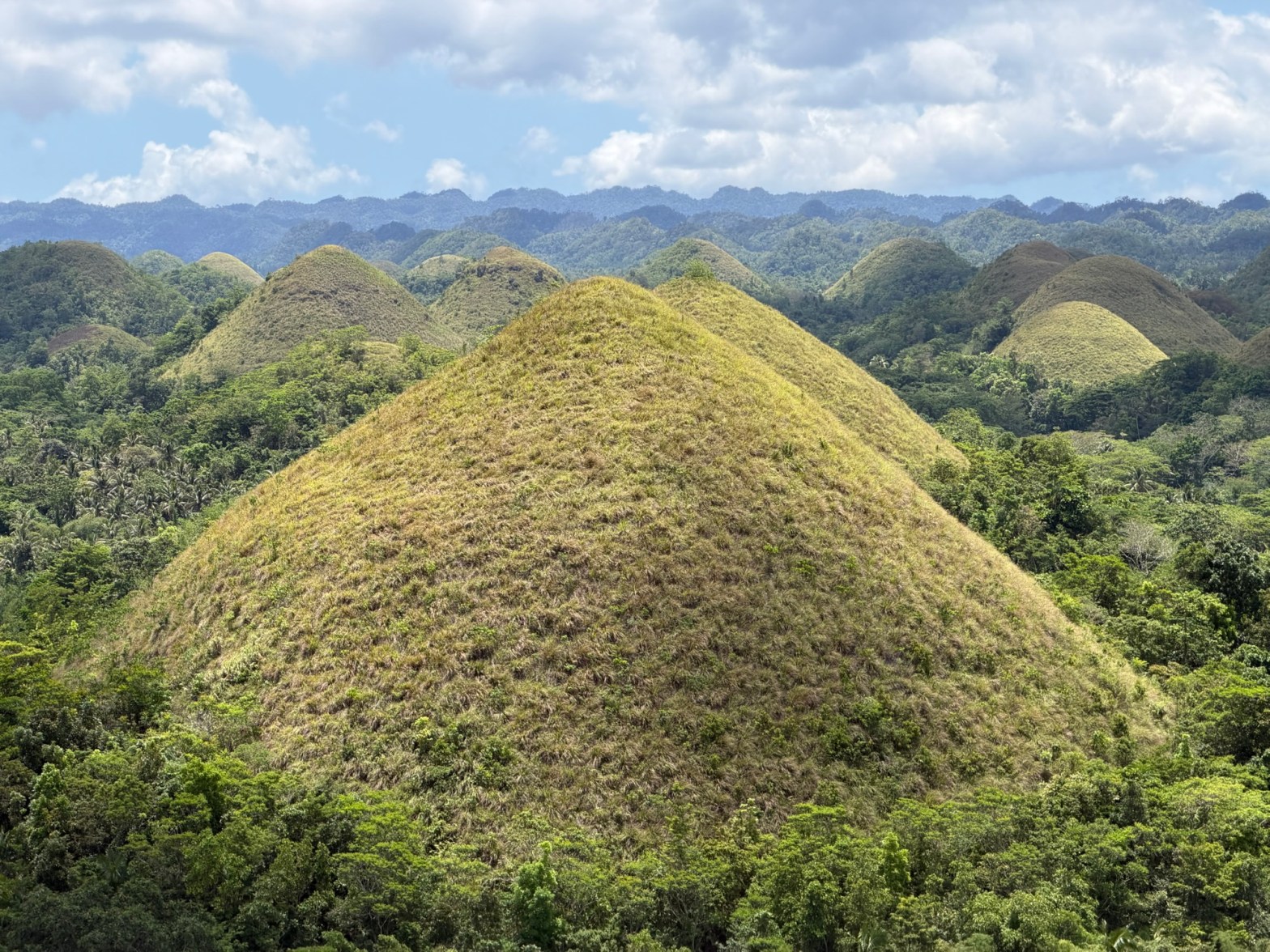
We were doing a land tour in Bohol, one of those full-day itineraries where everything is pre-arranged. Chocolate Hills, tarsiers, river cruise, the usual. What we didn’t know is that at the end of the tour, there was an extra stop they always add on their side, not something listed in the itinerary or discussed beforehand. The guide introduced it as a butterfly conservatory. It sounded harmless. Educational, even. But when we arrived, it quickly became clear that it wasn’t just that.
Yes, there were butterflies. But there were also other animals, kept in enclosures that didn’t match what you would expect from a place focused on conservation. It felt misleading from the start. Not only because of what was there, but because of how it had been framed.
After a few minutes, the discomfort set in. The animals didn’t look engaged with their environment. They looked confined in a way that felt off. The spaces were small, artificial, and clearly designed for visibility rather than for the animals themselves. Some of them showed repetitive behaviors, the kind you don’t notice immediately unless you stop and actually look.
Nothing extreme or dramatic. But enough to make it clear this wasn’t a place centered on the animals’ well-being.
My reaction wasn’t hesitation. It was immediate. The first thought I had was how to make sure this doesn’t keep happening to other people who, like us, are taken there without knowing what they’re actually being shown.
We left earlier than planned and spoke directly to the guide. She acknowledged that other tourists had complained before, but nothing had really changed. We pushed on that. If people were already raising concerns, why was it still being included? We encouraged her to escalate it to her company and question its inclusion altogether.
After the tour, I reported the stop through the booking platform, explaining clearly that it was misleading and shouldn’t be part of the experience. I also left a public review so other travelers would have a more accurate picture before booking. We also reported the situation to the relevant authorities and are currently waiting for a response.
A few days later, the guide emailed us. She said the stop had been removed from the tour, although local authorities hadn’t responded yet. It’s a small outcome, but it showed that saying something does create movement, even if it’s limited.
Experiences like this are not rare. You find similar setups in many countries, often presented as harmless, educational, or even conservation-focused. And most of the time, they continue because they’re built into experiences in ways that aren’t always transparent.
The difficulty is that they don’t always look obviously unethical. There’s no clear label, no immediate shock factor. It’s more subtle than that, which makes it easier to overlook, especially when it’s introduced casually and without much explanation.
Over time, I’ve learned to pay attention to certain signs. If the space looks designed mainly for visibility rather than for the animal’s needs, that’s one. If the environment feels artificial or too limited for the species, that’s another. If the animals show repetitive or withdrawn behavior, it usually points to something deeper.
And if the experience feels more like a display than a habitat, it’s worth stepping back. The response doesn’t need to be extreme. Leaving is enough. Saying something is enough. Sharing the experience honestly so others are aware is also enough.
There are alternatives that feel very different. Places that focus on conservation, rehabilitation, or simply observing animals in environments that respect their nature. They’re not always as convenient or as widely advertised, but they change the dynamic completely.
Looking back, the Philippines is still one of the most beautiful places I’ve been. The diving alone would be enough to go back. That part hasn’t changed.
What this experience reinforced for me is simple: not staying passive when something feels wrong. Even small actions, taken at the right moment, can shift what happens next.
Thank for you reading 💛
With love from the Philippines.
 Random Lessons