Travel isn’t just about the miles we cross, but about the pieces of ourselves we leave in every place.
Each country has gifted me something — a flavor, a feeling, a memory.
Today is a special occasion to celebrate my travels! As of May 2025, I’ve visited 41 countries — an important milestone in my journey, one that gives me both purpose and meaning. To honor these experiences, I’m challenging myself to summarize what each country has meant to me in just one or two words. Traveling is deeply personal, but I’d love to know if any of these resonate with you. Let’s begin!
1. Colombia: home & family ❤️
2. United States: invention & innovation
3. Panama: chill & relax
4. Mexico: culture & flavor
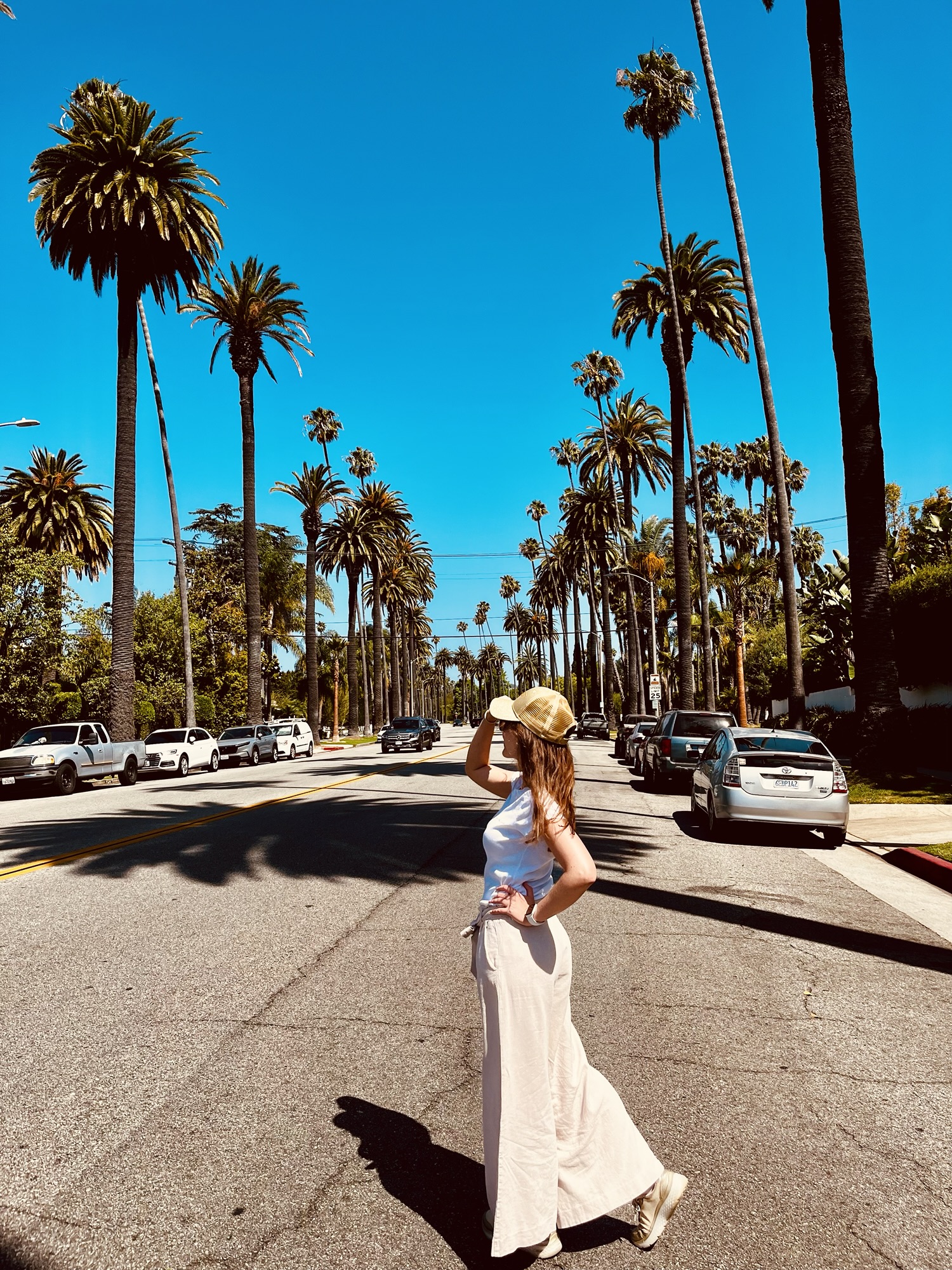
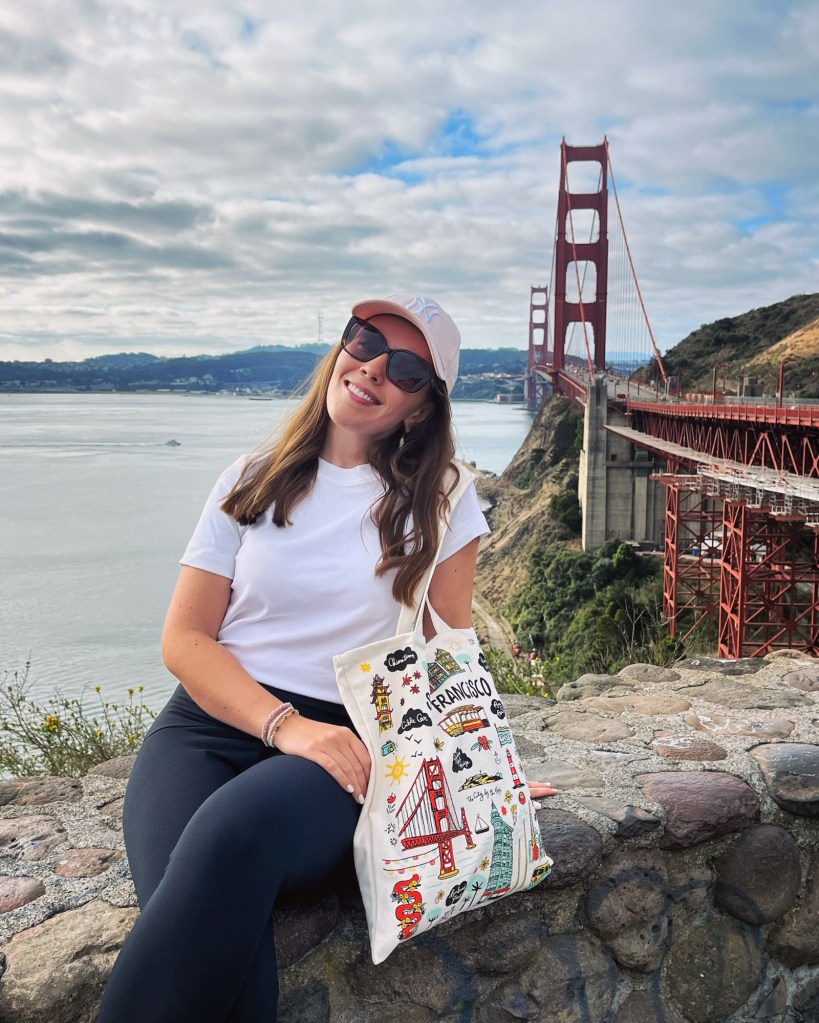
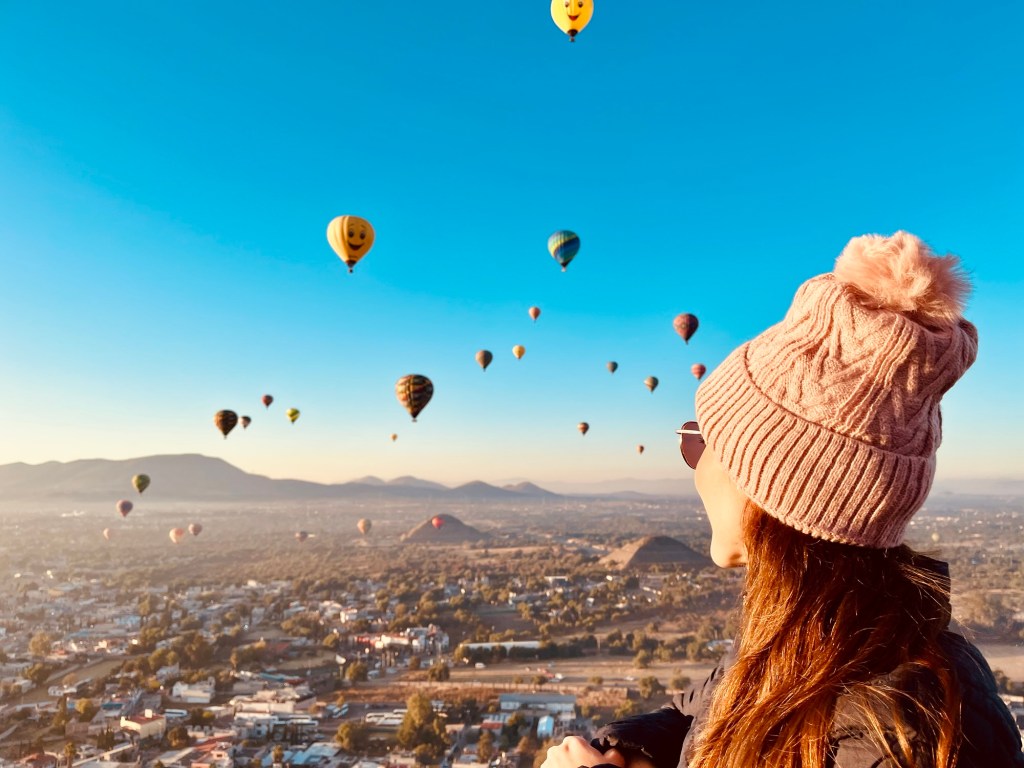
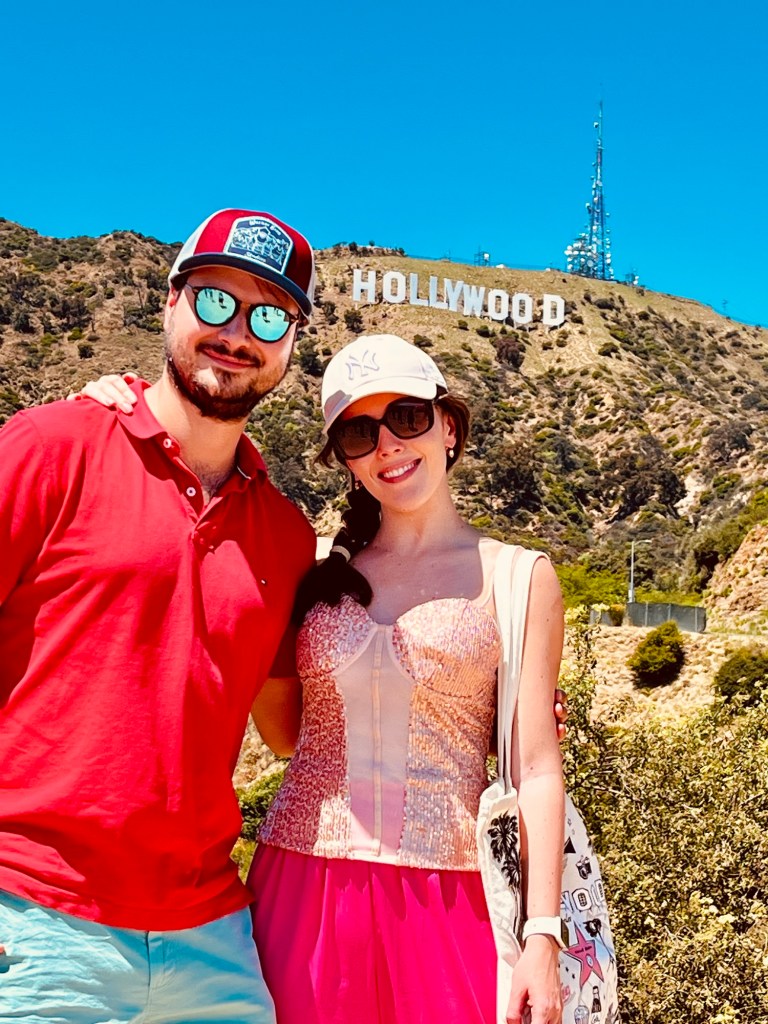
SalentoGolden GateTeotihuacanLos ÁngelesColombia, México, and the United States
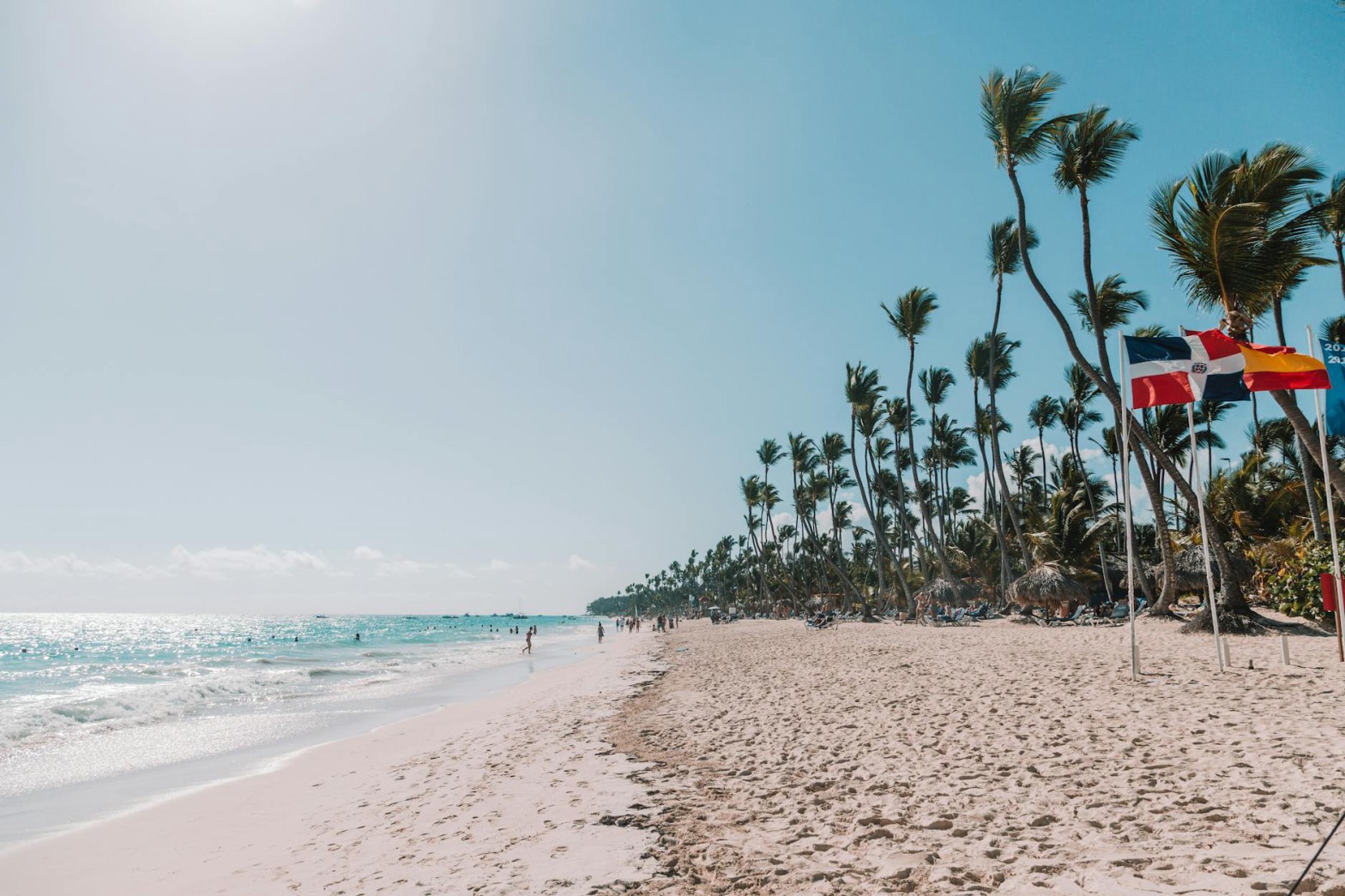
5. Dominican Republic: resilience
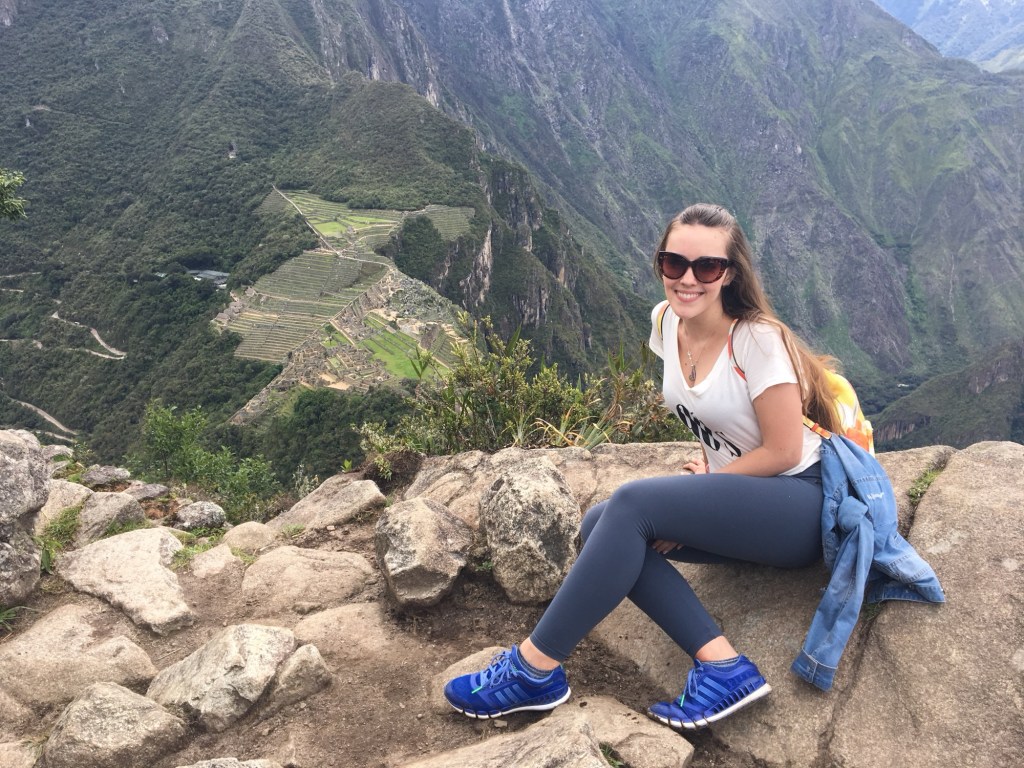
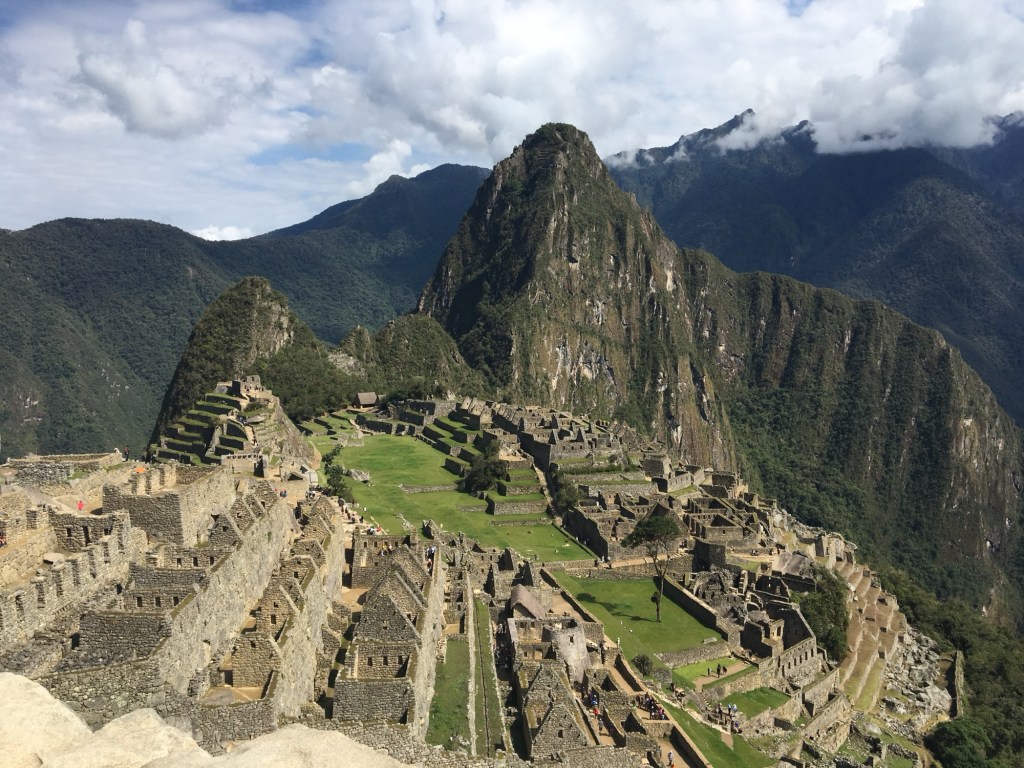
6. Peru: ancient wisdom
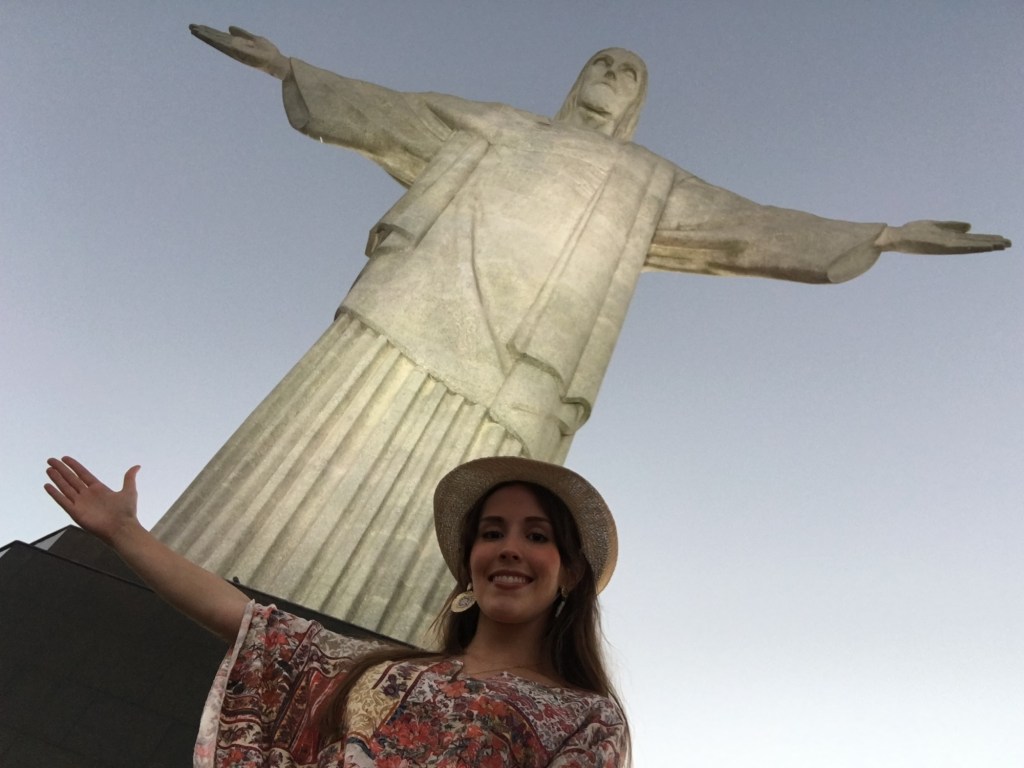
7. Brazil: freedom & expression
8. Spain: Mediterranean life
Machu PiccuMachu PicchuRedeemerCopacabana BeachPeru and Brazil
9. Belgium: chocolate & humor
10. France: revolution & fearless spirit
11. United Kingdom: fancy & kind
12. Luxembourg: balance & quality of life
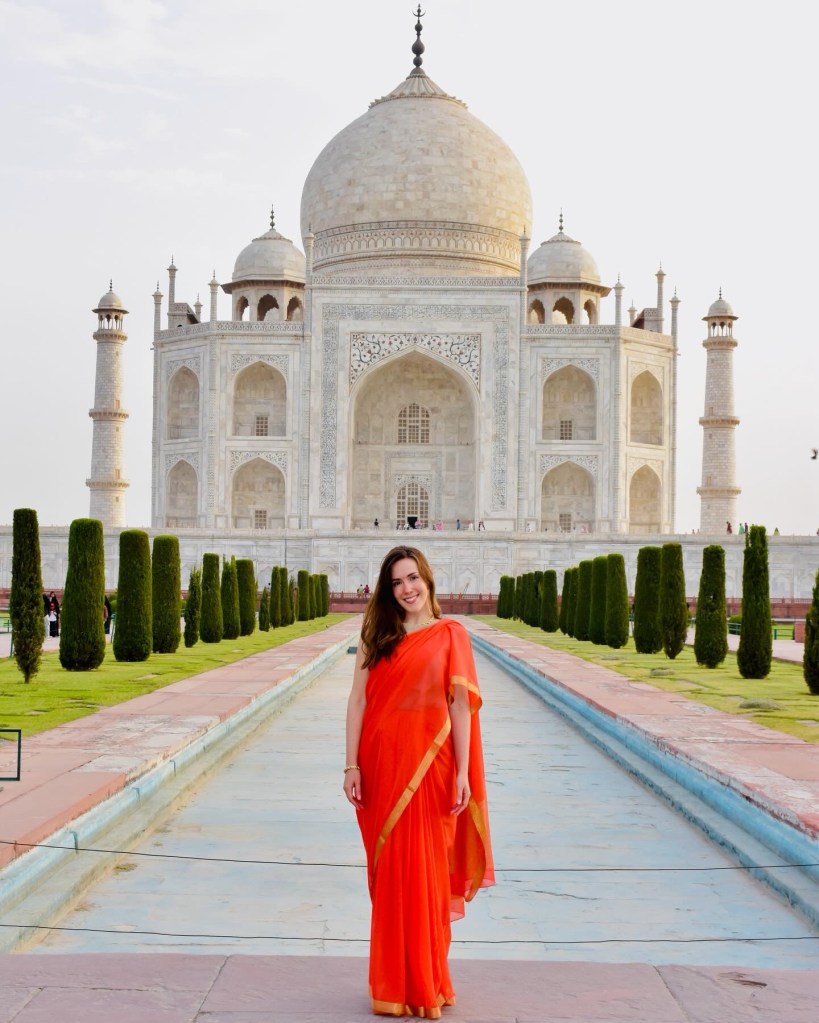
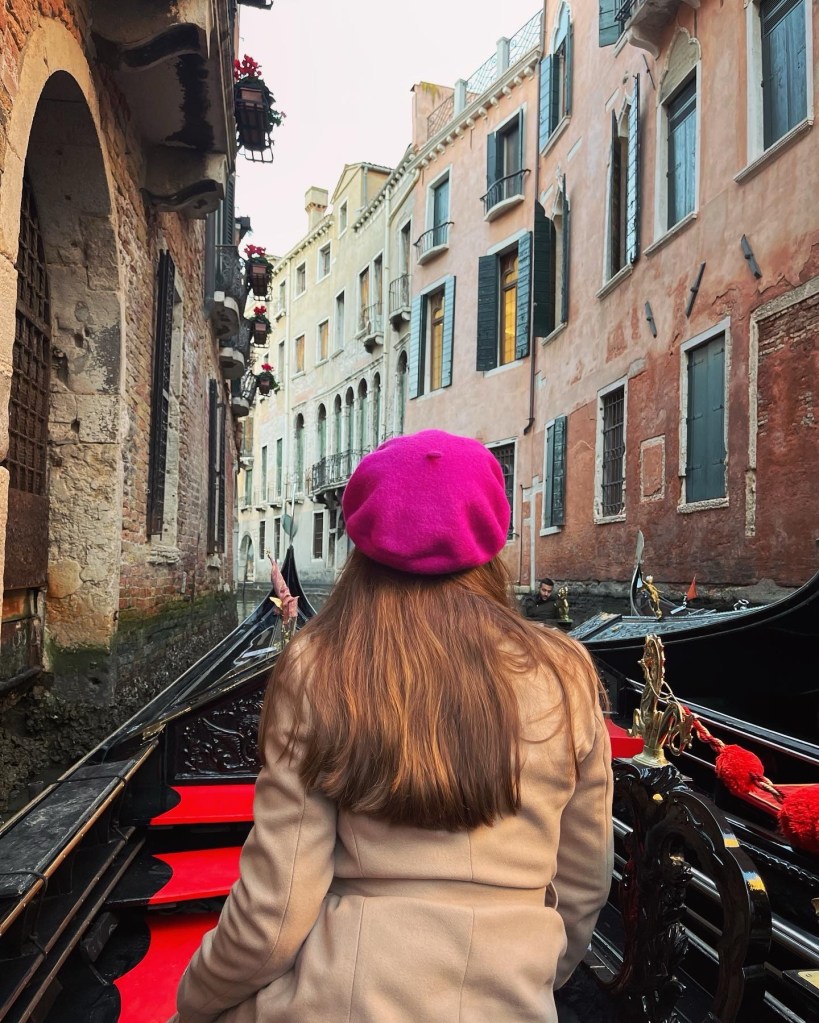
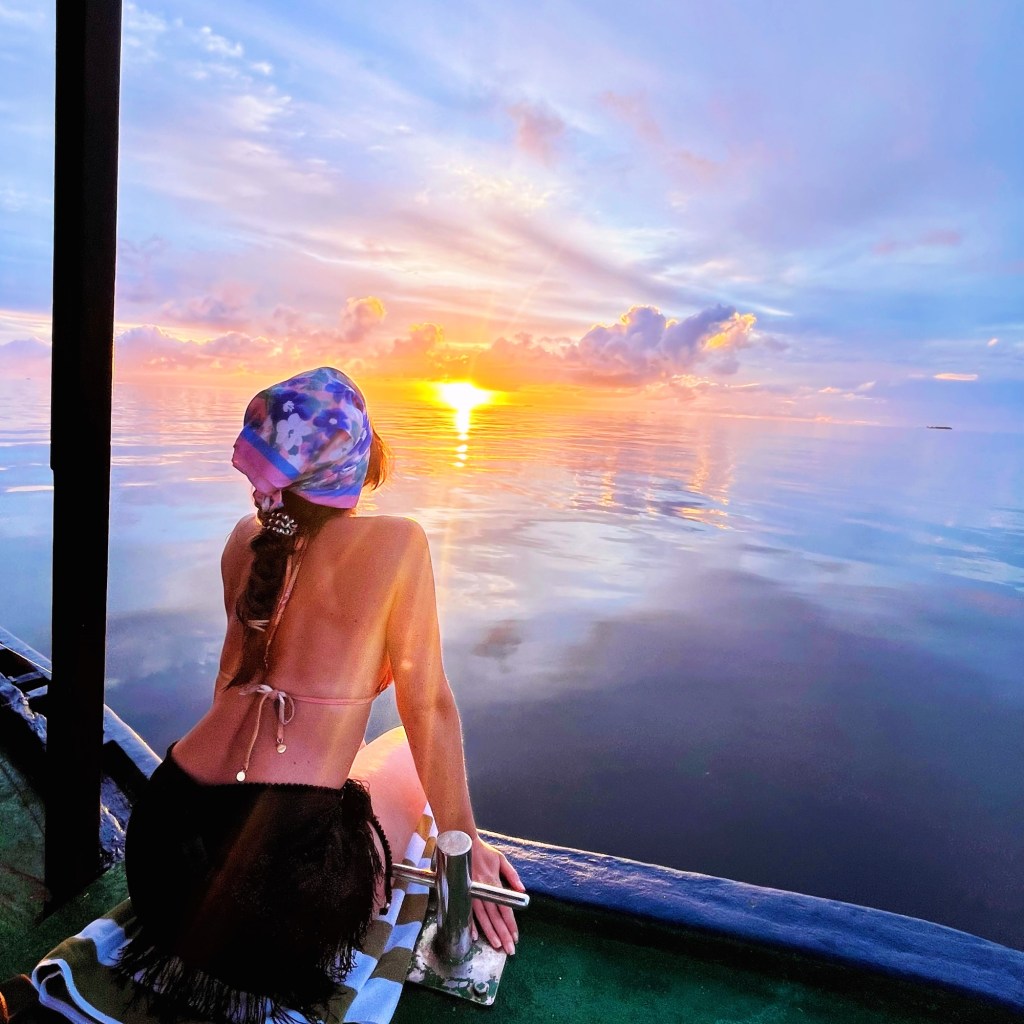
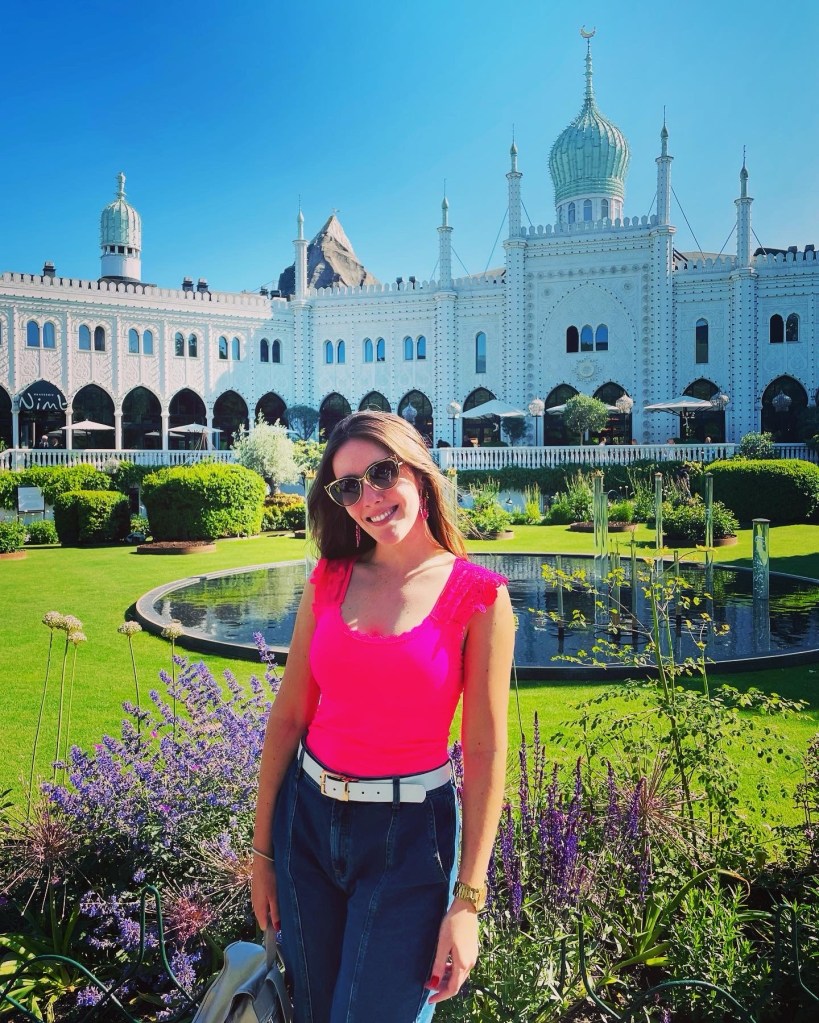
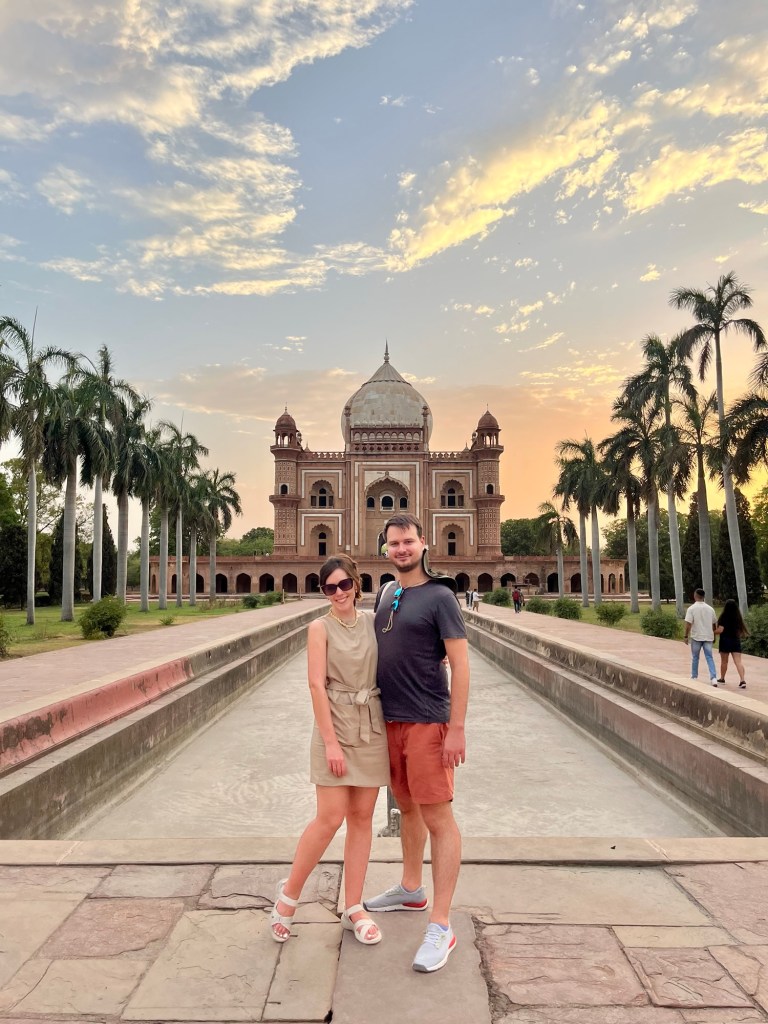
Taj MahalVeniceMaldivesCopenhagen India, Italy, Maldives and Denmark
13. Monaco: art & millionaires
14. Vatican City: power & secrecy
15. Italy: food & passion
16. Croatia: best gelato
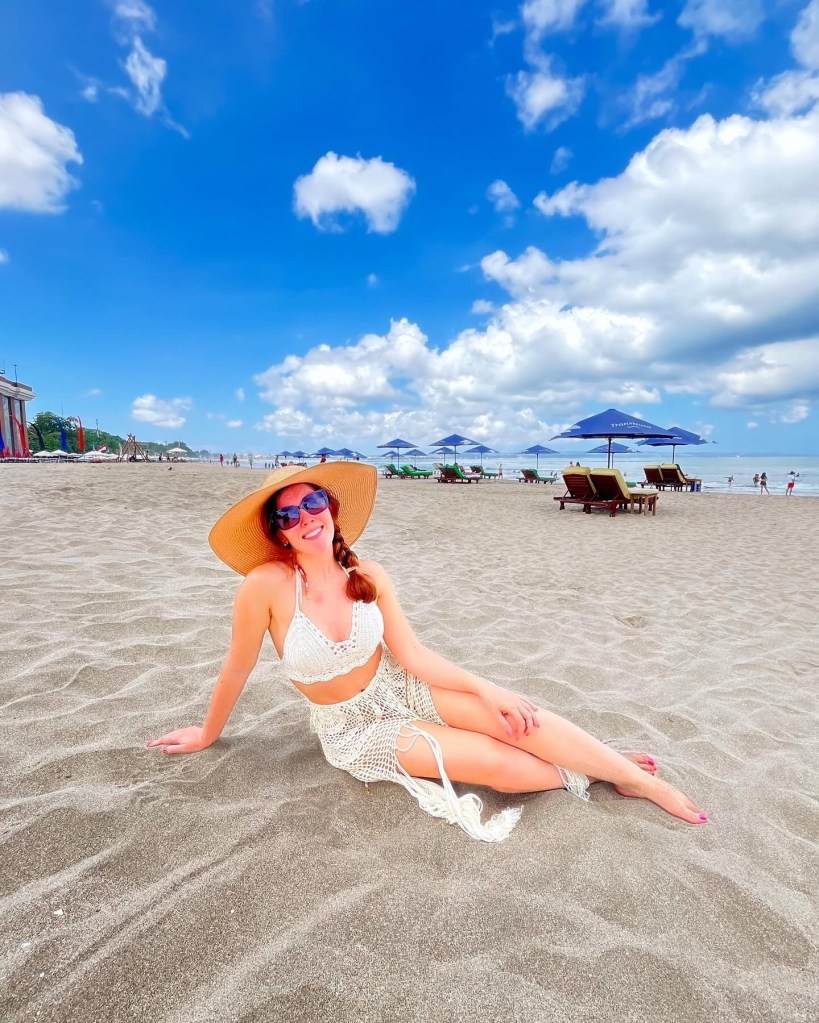
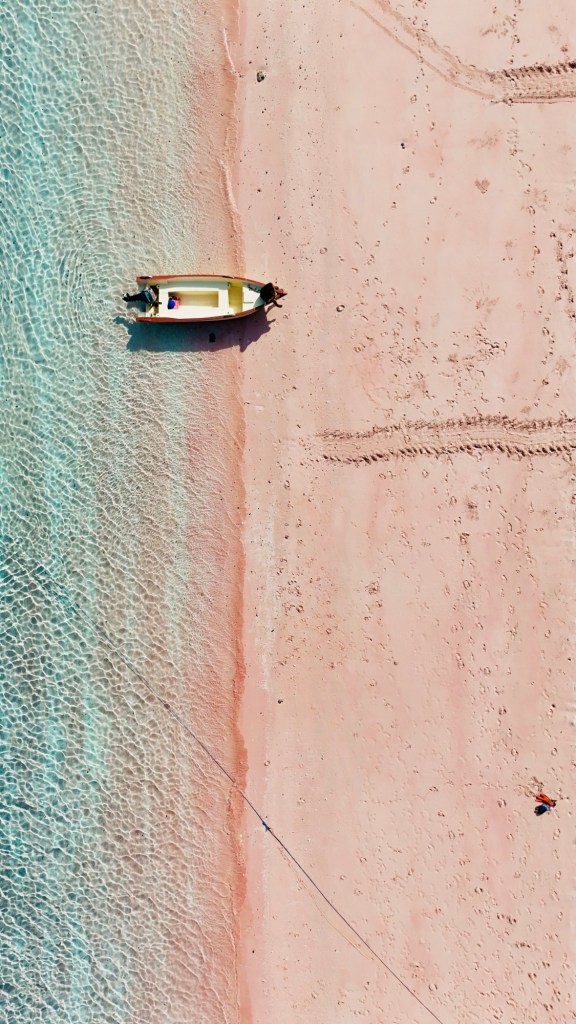
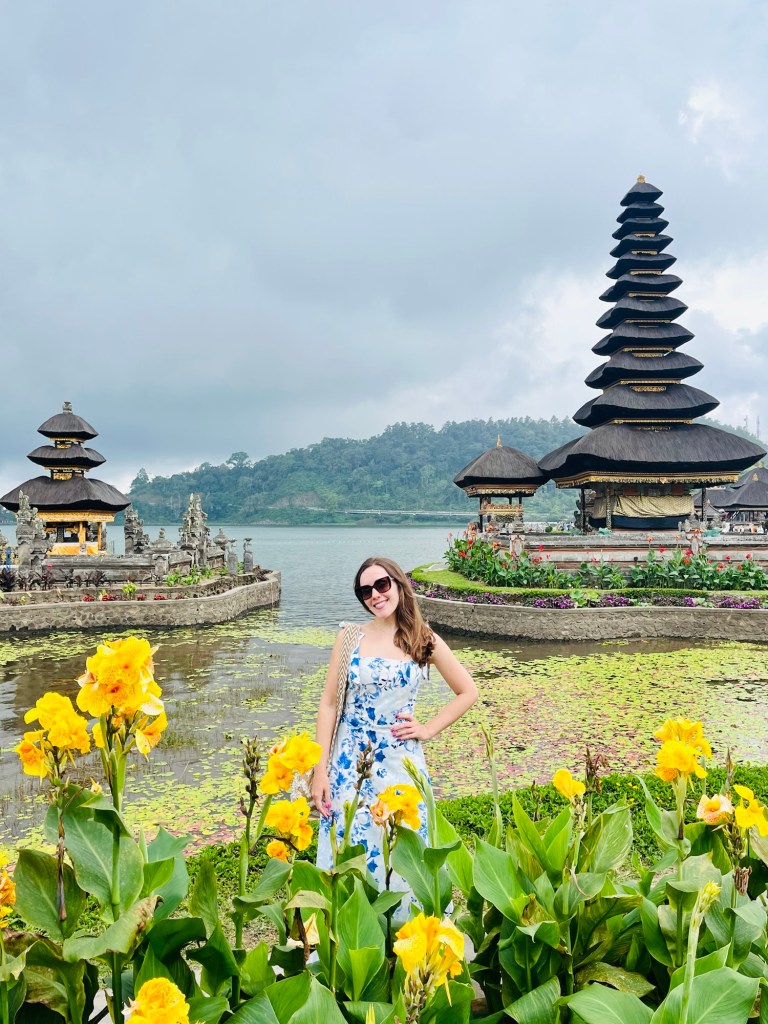
PlitviceBaliPink BeachAbu DhabiCroatia, Indonesia, and UAE
17. Montenegro: hidden gem
18. Turkey: magnificence
19. Hungary: eastern romanticism
20. Austria: elegance & refinement
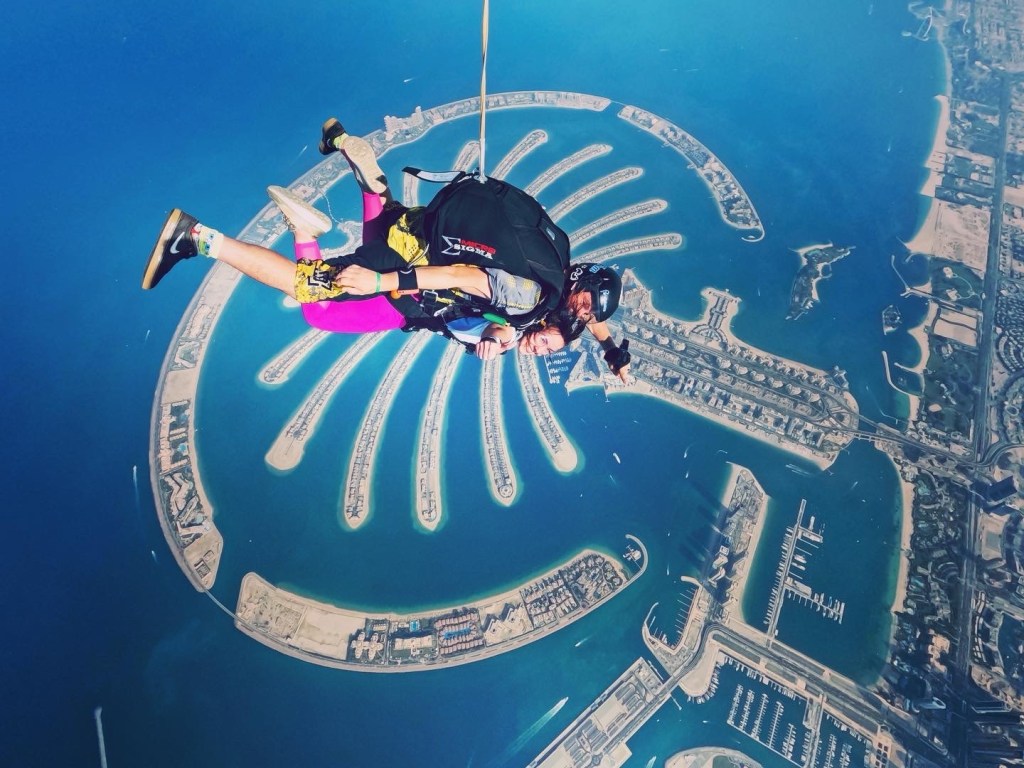
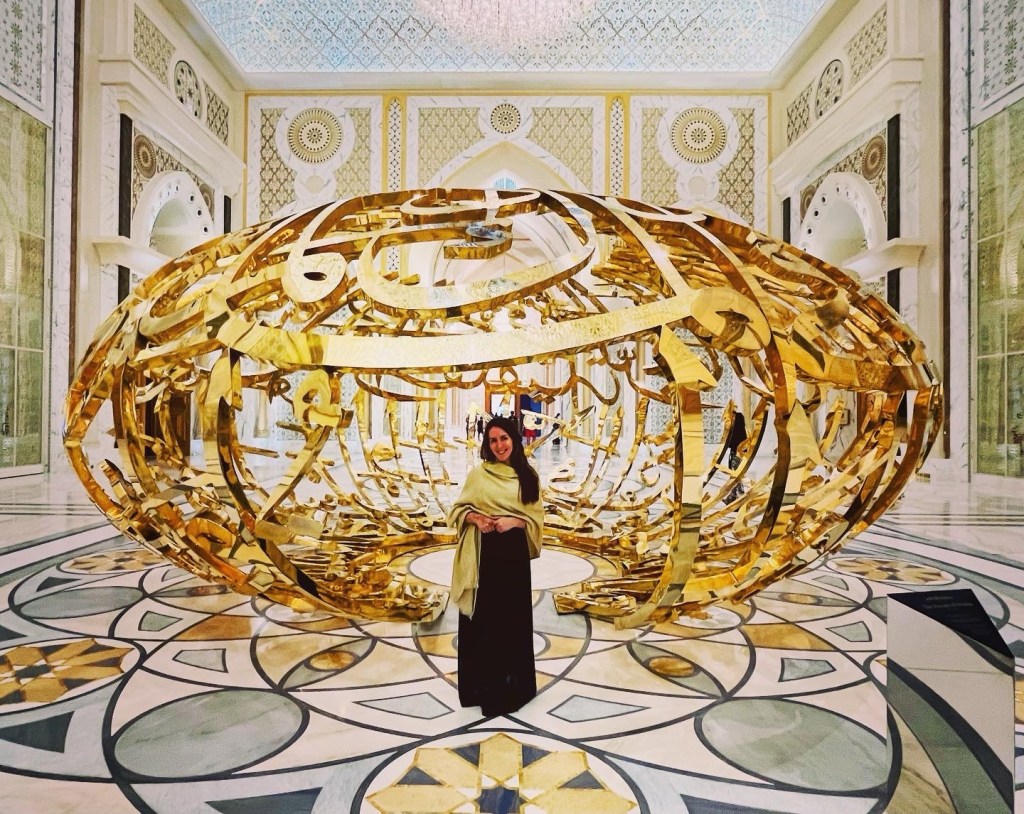
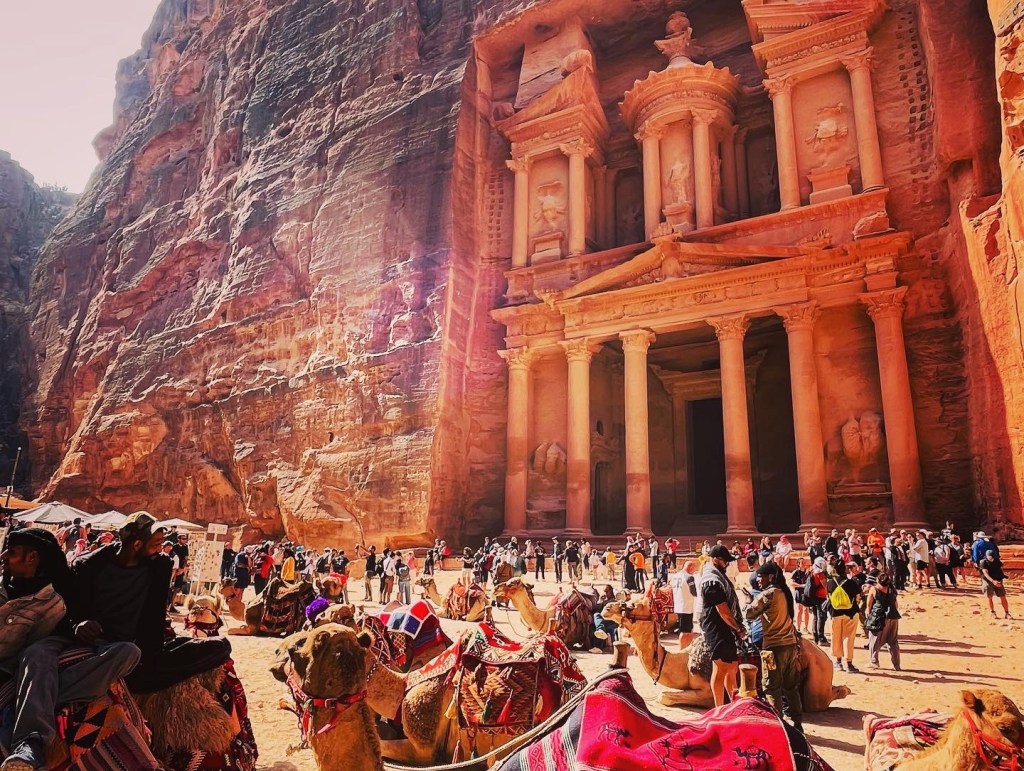
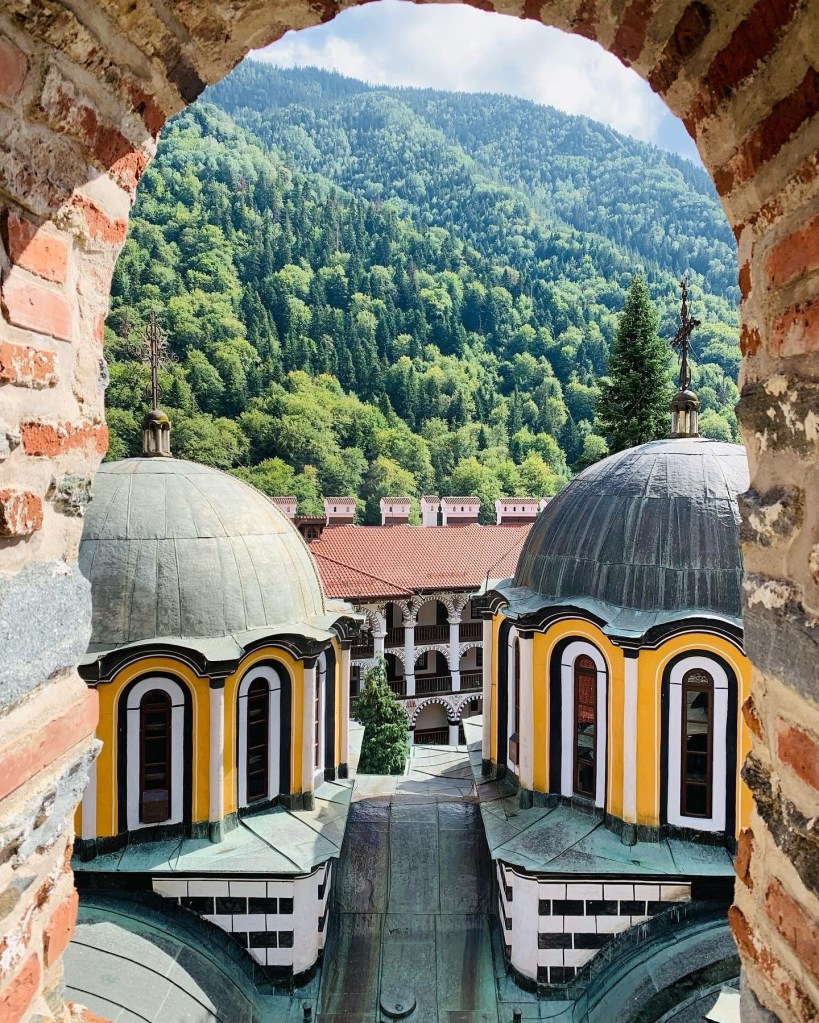
Palm in DubaiAbu Dhabi PalacePetraRola MonasteryUAE, Jordan, and Bulgaria
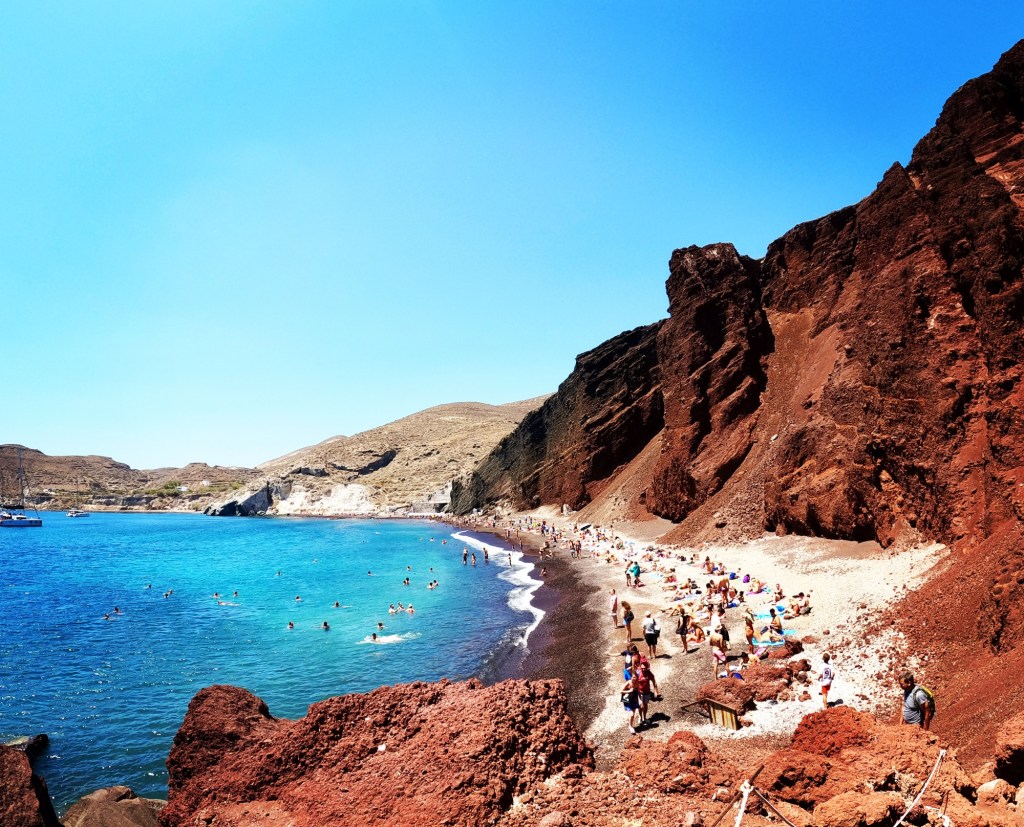
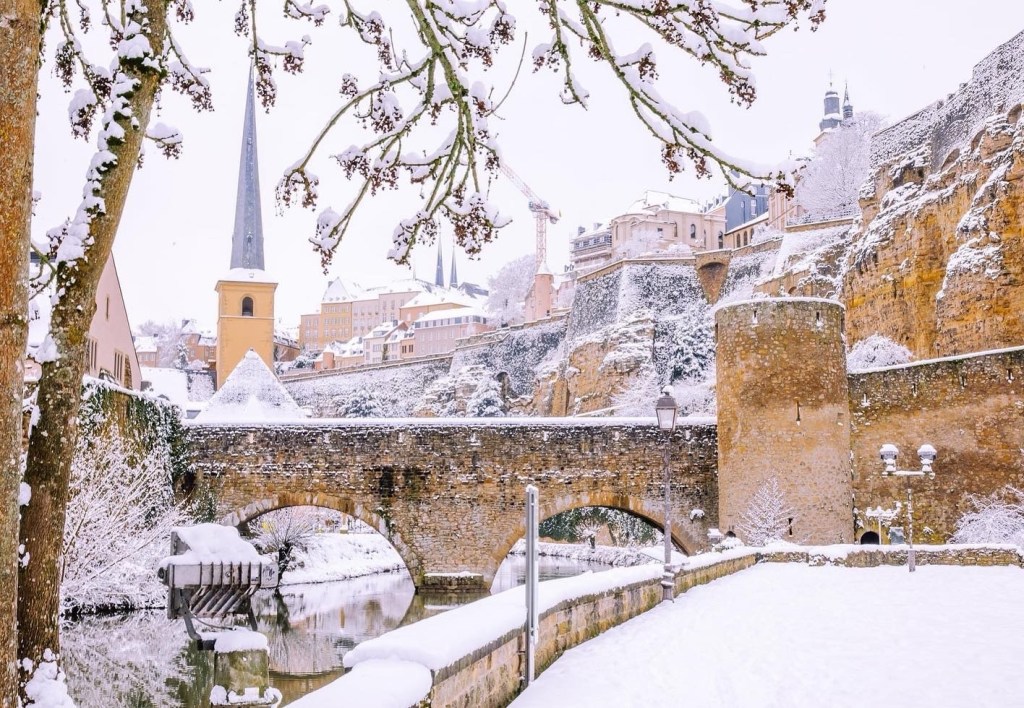
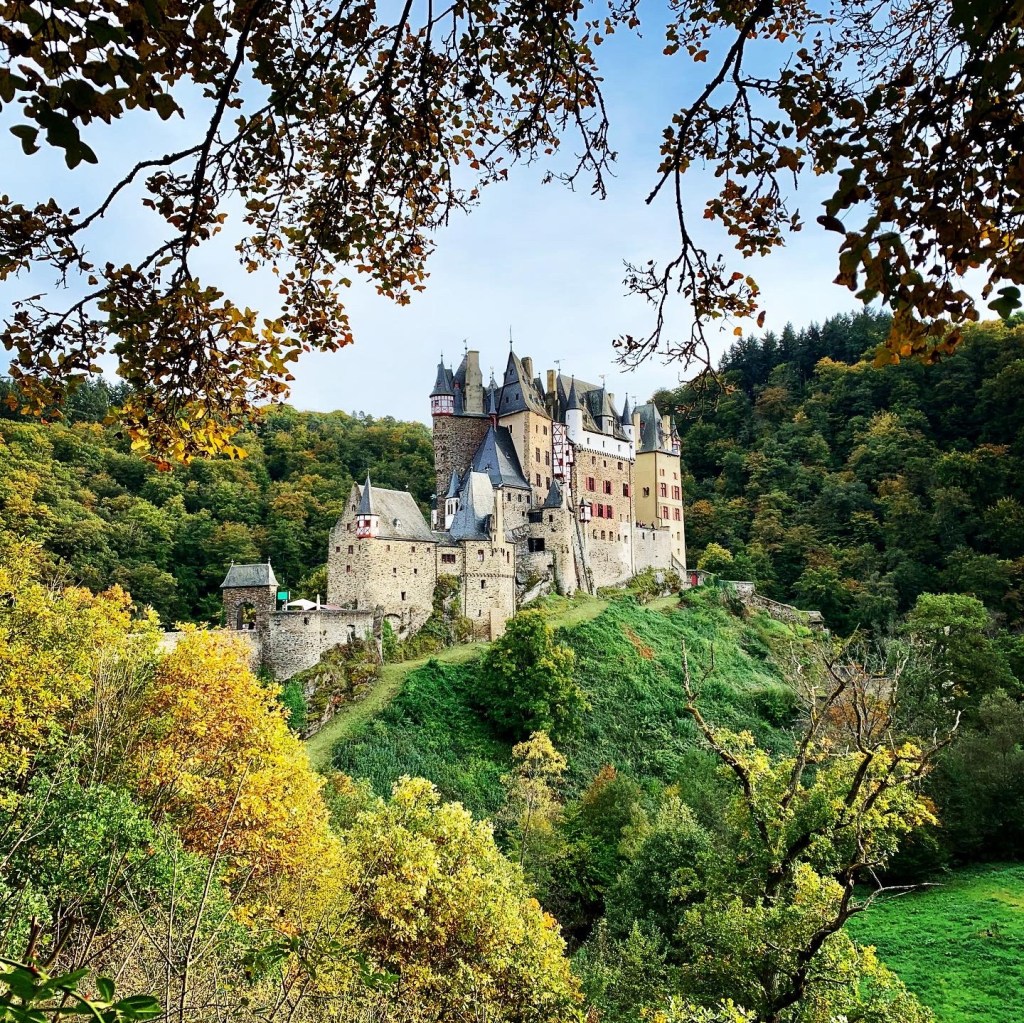
Santorini Luxembourg A German CastleSky LagoonGreece, Luxembourg, Germany and Iceland
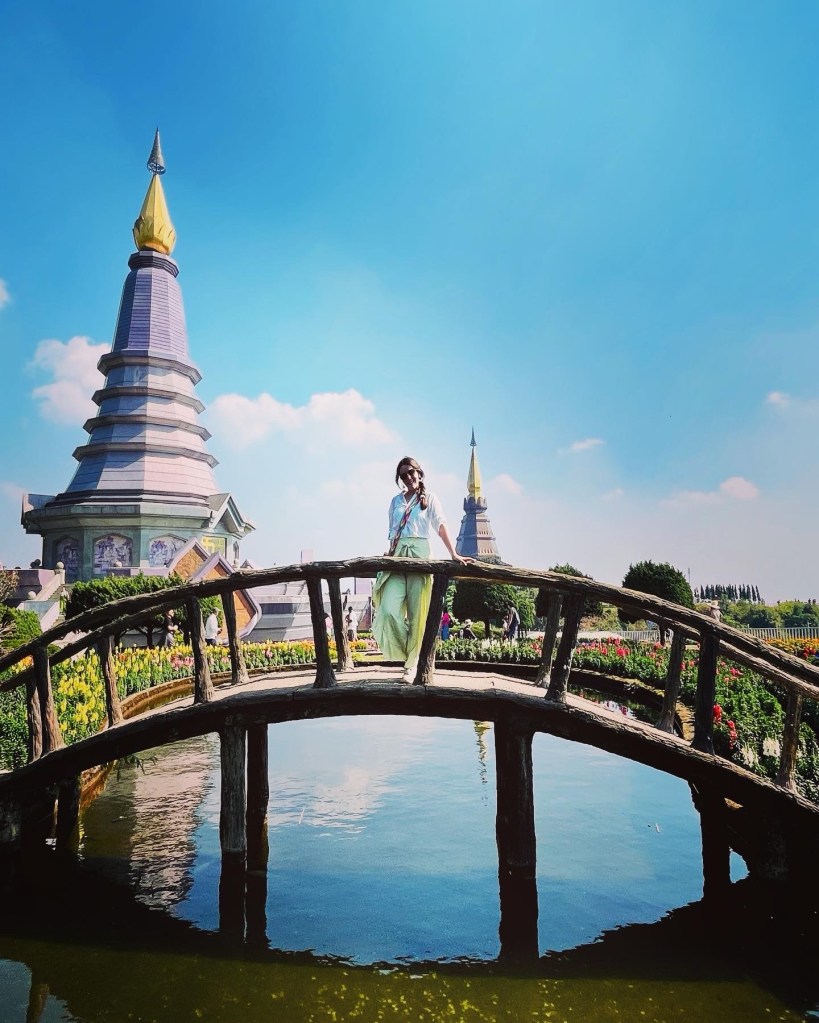
29. Thailand: elephants & temples
30. Portugal: coastal peace & charm
31. Denmark: the happiness standard
32. Switzerland: chocolate & mountains
JapanArubaEgyptAustriaIndonesiaSingapore
33. Iceland: out of this world
34. Maldives: paradise on earth
35. India: overwhelming
36. Czech Republic: beer 🍺
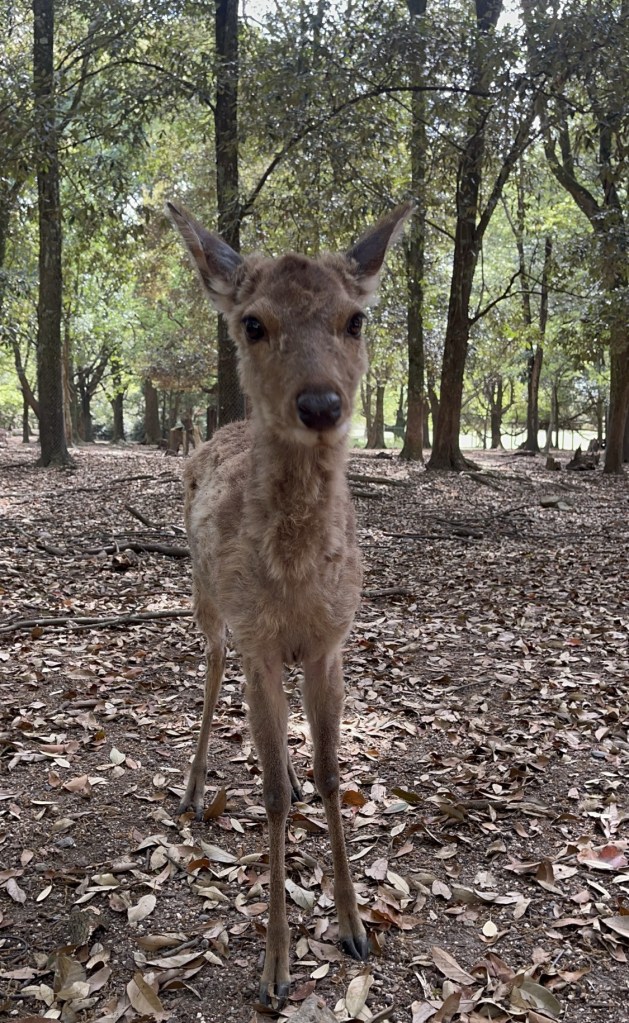
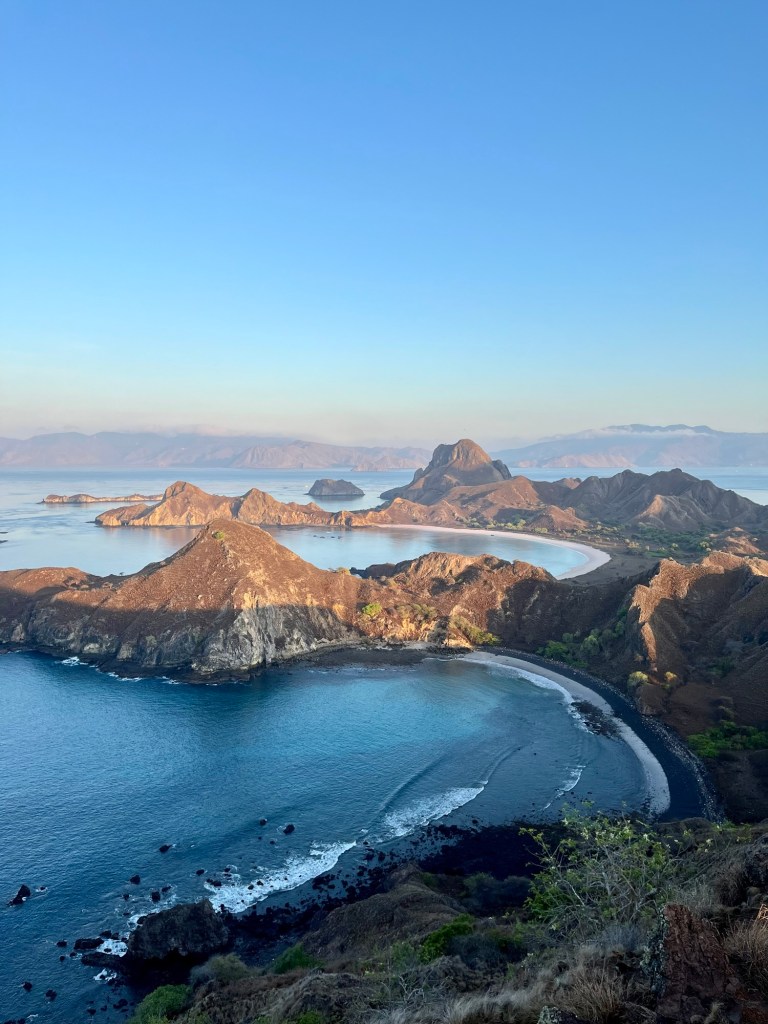
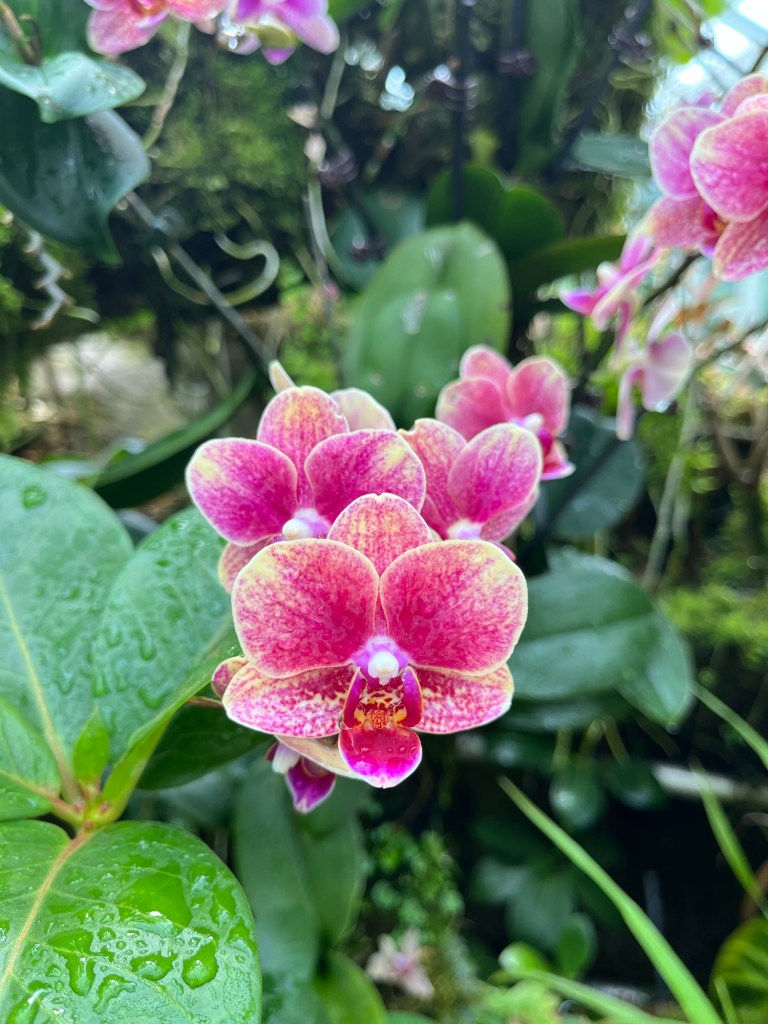
Deer in NaraBaliKomodo Singapore
37. Singapore: greenery & the future
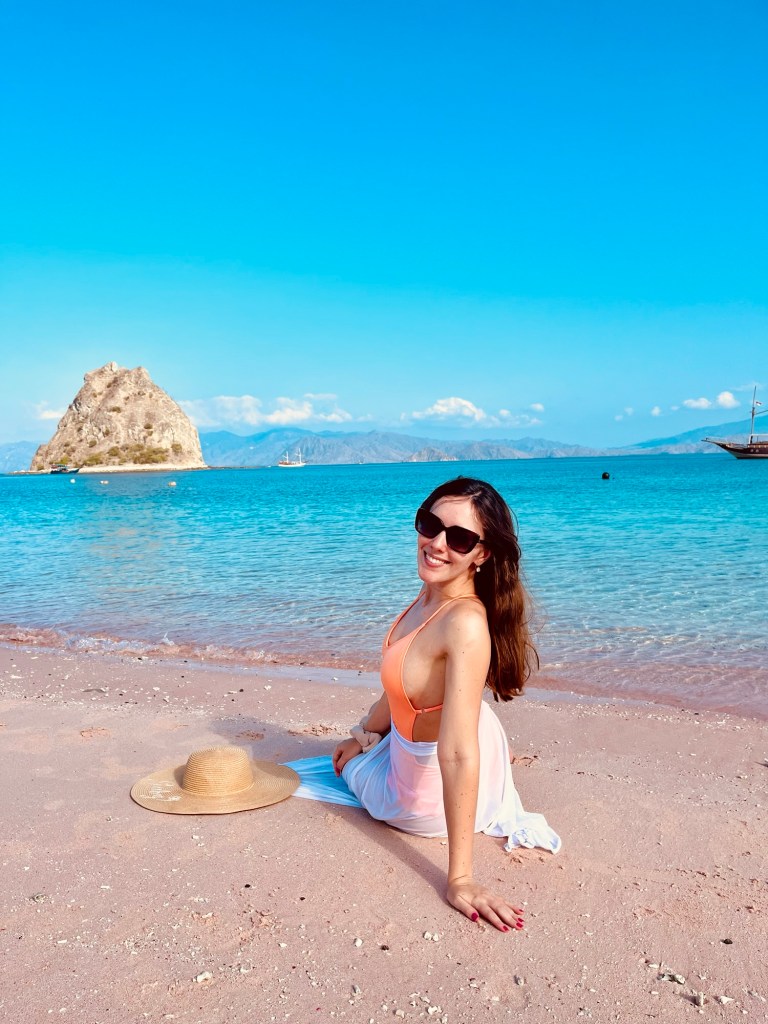
38. Indonesia: pink beaches & Komodo dragons
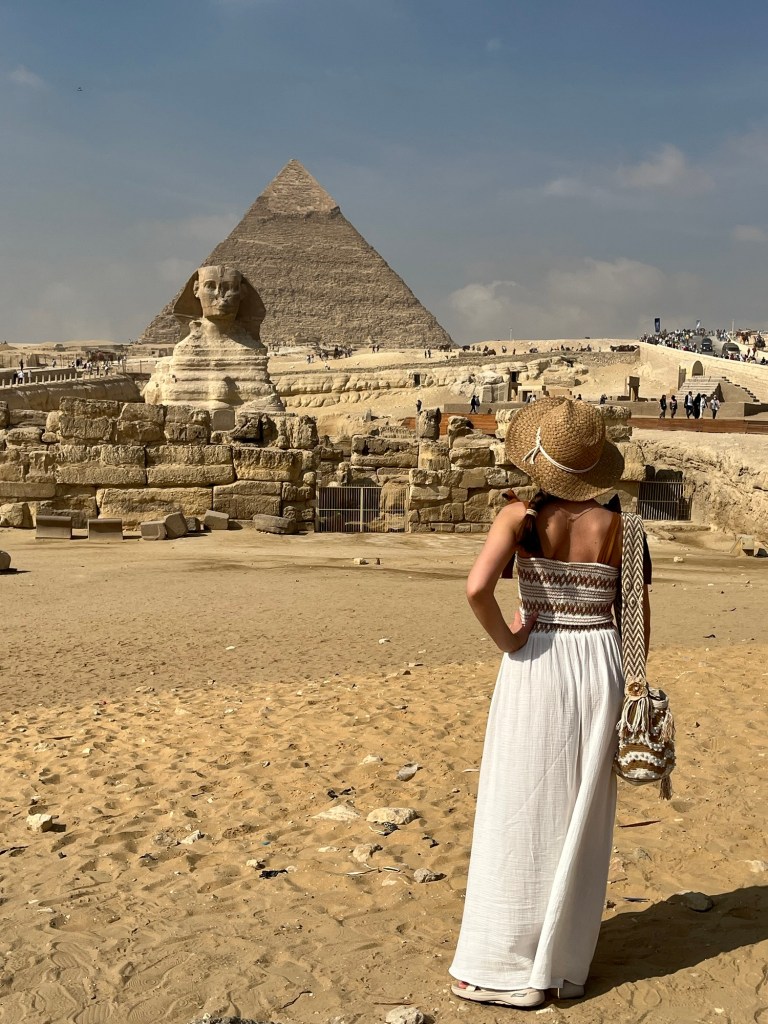
39. Egypt: history’s greatest treasures
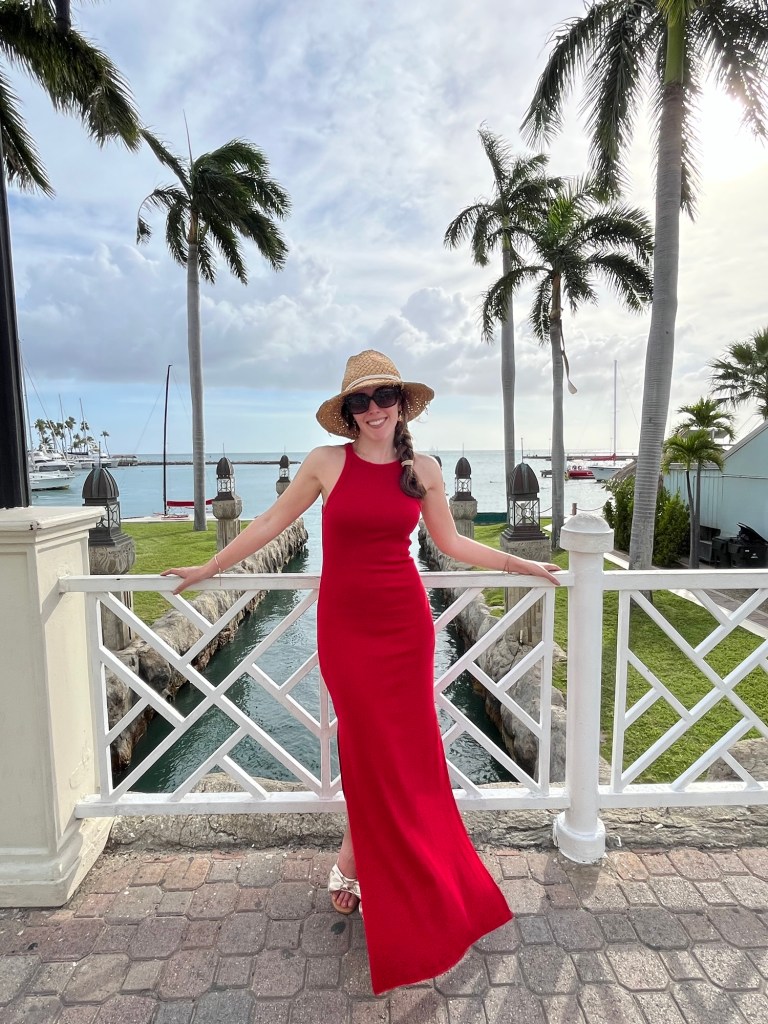
40. Aruba: paradise close to home
41. Japan: another world 🌏
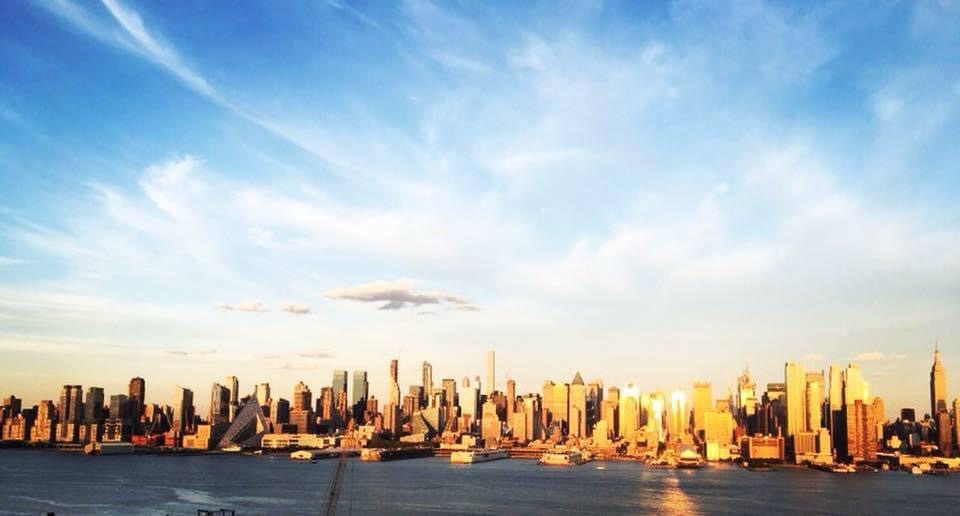
New York, a decade ago 💙
Looking back, these words remind me that travel is not measured in stamps on a passport, but in the emotions we carry home. Every country has written a line in my story, and the journey is far from over.
Here’s to the next chapters, may they be as full of wonder, challenge, and meaning as the ones before.
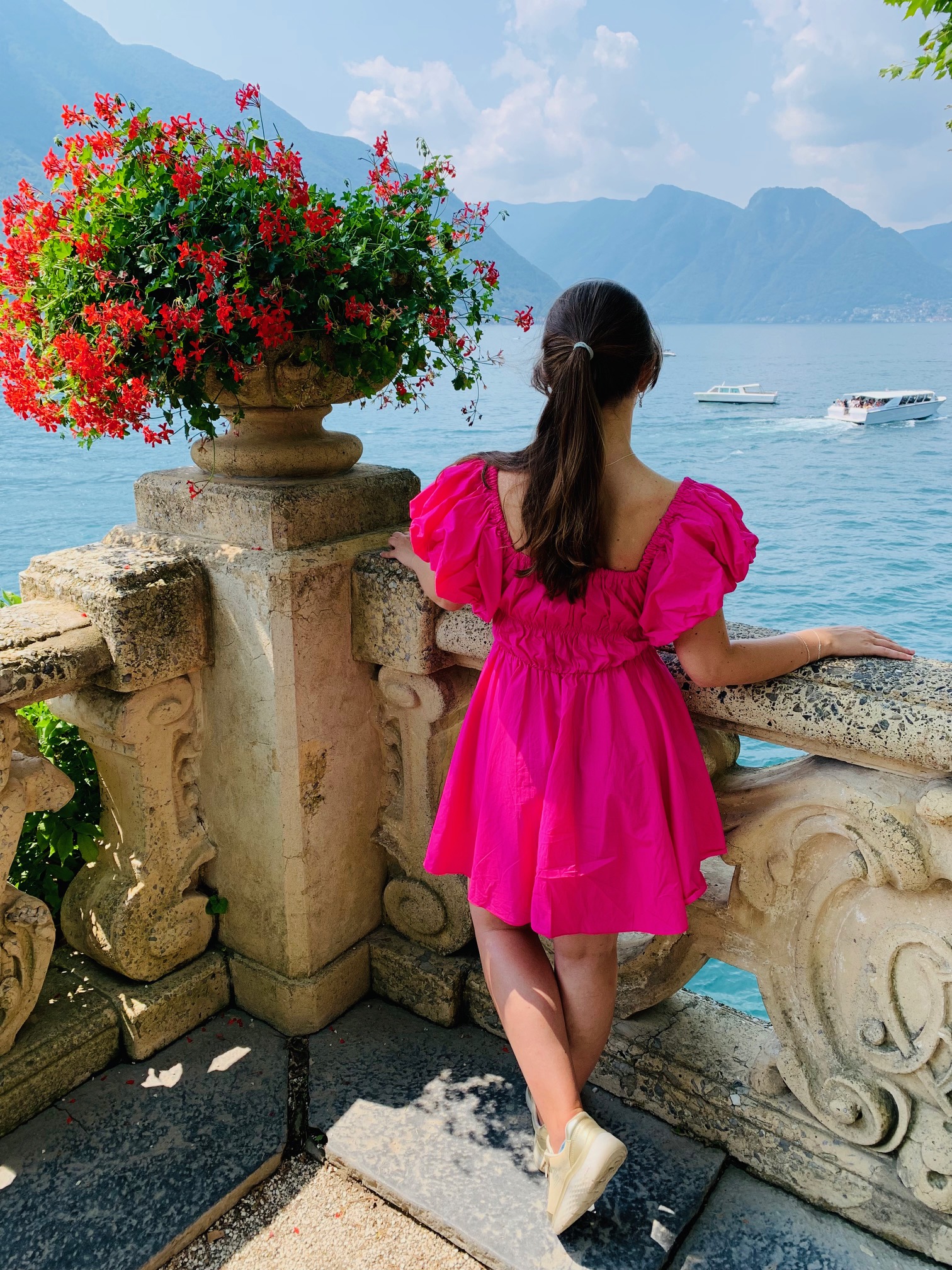
Picture this: Sunny, clear day, +25 Celsius degrees, your favorite Italian summer fuchsia dress, while in Jerusalem… Not a great combination!
I’m guilty of loving dresses, but I swear I love pants too, especially sweatpants when I work from home. I live in Europe, which pretty much means I can’t wait to summer to wear my dresses, which are all stocked up in my closet for, what? +8 months a year?
Anyway, this story happened in 2022. I planned a journey to Israel to attend a wedding in Tel Aviv in late summer. As a enthusiast traveler, my first thought was to pay Jerusalem a visit due to its historical significance, although I’m clearly not a religious person, otherwise I probably wouldn’t be writing this post.
The wedding went great, lots of fun and good food, and Tel Aviv beaches were crystal clear. Of course, I enjoyed seeing firsthand all these sculpted bodies running and jogging around. Oh boy! Men and women there have glorious bodies. Kudos to all!
After 3 days in Tel Aviv, I continued my trip to Jerusalem. It was a hot day and it was the turn for my beloved Italian fuchsia dress, which I can barely use in London (where I live). I was more or less told that Jerusalem was a bit more conservative city than Tel Aviv, but I truly failed to understand to what extent this was the case, and more importantly, how my dress would put me on the spot there, like a sore thumb.
I took a train to Jerusalem, which was pretty much full of tourists. Nothing strange so far. Upon arrival 1 hour later, I noticed I had little time to make it to the Yad Vadshem memorial museum before it closed around 5pm, so I dropped my luggage at the hotel and ran to the closest tram station to go there.
Less than 2 minutes after, there was a time span when around half of the tram was staring at me without any intentions of not getting noticed. Most memorable reaction was from what looked like a high-school girl, who was looking at me with a mix of curiosity, surprise, and disgust at the same time. When our eyes met, she immediately looked away, opened the Torah on her hands, and started praying (I hope she’ll get to wear one of these dresses soon! Ideally without any guilt). What started as, I thought, a funny anecdote to remember later (it is today!), soon started to feel uncomfortable. Other men in the tram also stared at me intensively, with all sort of nuances. This was as unexpected as seeing everyone in there dressed in black! It really felt I was the only one not going to the funeral.
Despite not feeling welcomed during my tram journey, a few people in Jerusalem did quite the opposite and they even celebrated my dress. Two guys in a car even horned and shouted “Nice dress!”. Yay! Thank you for the support, whoever you are. End of the day, I managed to arrive sound and safe back to my hotel, where the folk who just started the front desk shift greeted me with: “Wow! Were you in a party? That’s an unusual dress” . I just smiled and explain to him what just happened.
Moral is, sometimes it looks like we live in a small world, but it’s for sure a pretty diverse one. A normal summer dress in Europe results strange, even offensive in Jerusalem. Whether the roots for this are sexism, a patriarchy legacy, or religious customs, if you find yourself visiting Jerusalem, consider that unspoken dress codes are everywhere in the city, and they go beyond the ones you would normally adjust to in religious places such as the Holy Sepulcher. The invitation is to always be yourself while traveling well-informed to avoid unwanted surprises. Happy travels!
If you enjoyed this post don’t forget to like, follow, share and comment! Happy to hear from you via email at: airamgabriela17@gmail.com
Have you ever entered a cafe where you didn’t have to pay to get free beverages and pictures taken? This is a story about a resourcefulness Bedouin who embraced technology like no other.
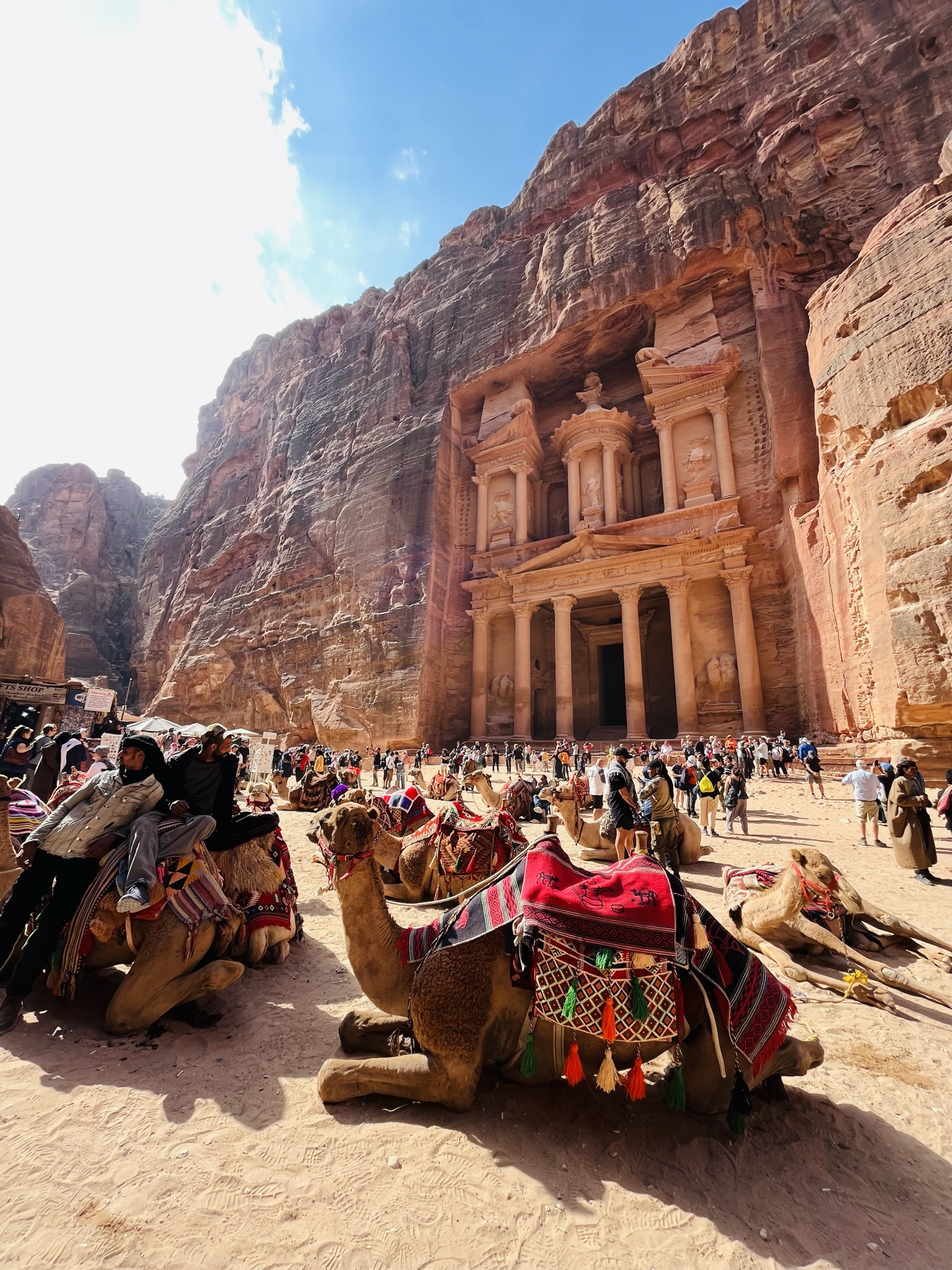
In the autumn of 2022, my partner and I visited the ancient city of Petra, a half-built, half-carved into the rock city built as early as in the 5th century BC that was the ancient capital of the Nabatean Kingdom. Petra was an important trade center for all sorts of goods, textiles, ivory, and spices from Arabia, Asia, and Africa. Over time, trading grew, so did the city, until prevalent routes started to shift towards the north and the sea, which diminished gradually the city’s power as a trade center. With the massive earthquake that took place in 363 AD, Petra was partially destroyed together with its great water-supply system, which left the city abandoned and lost over time. Petra was rediscovered in 1812 by the Swiss explorer John Lewis Burckhardt, and it has been home to nomadic tribes known as Bedouins since as far back as the 1500s. In 1985, Petra was declared a UNESCO World Heritage site, and in 2007 it was named one of the new seven wonders of the world.
The Bedouins are well-known by their hospitality. Before Petra was a popular touristic attraction, people from all over the world went there to stay for long periods of time. Canadians, New Zealanders found home in one of the many cave homes in Petra, stories well captured in books such as Married to a Bedouinand Living with Arabs: Nine Years with the Petra Bedouin. All of them sound so distant and impossible today, when Bedouins primarily live from tourism and learned how to monetize their tents.
I didn’t get to know the Petra of the 1970’s, nor did I stay in a cave for free for a month, but I visited this city in 2022 to still learn an important lesson about Bedouins and life: looks are deceitful, and Bedouins remain to be a resourcefulness as Nabateans were when they built a prosperous city amidst a mountainous desert. Probably only them can live and wander through Petra.
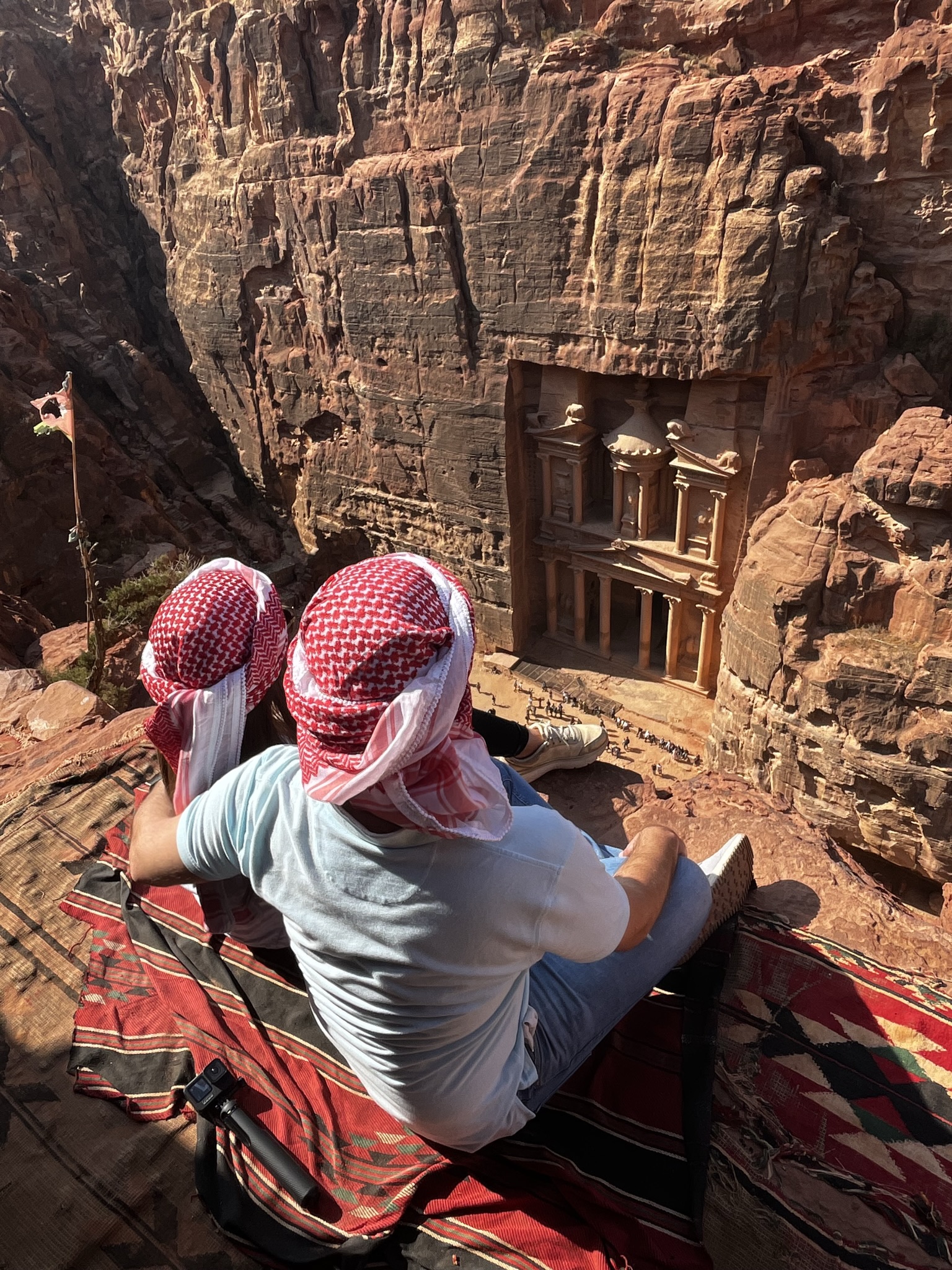
My partner and I had been hiking for over an hour in the heart of Petra city when we arrived at the top of a hill from where we were expecting to see the famous Treasury facade from an angle like no other. Even when touristy, Petra city remains intact and unadapted to ease tourism. It has no walking paths, so you have to hike around rocks and it can be a tiring experience.
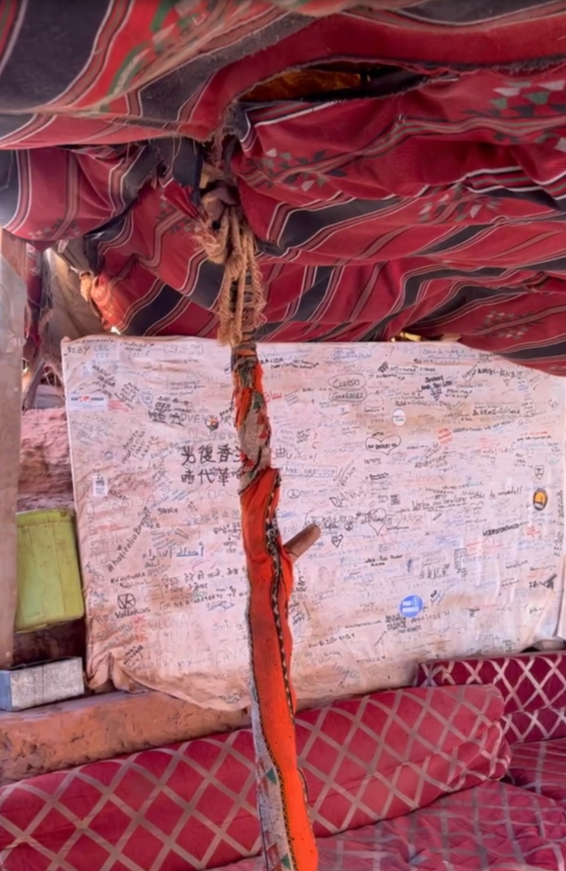
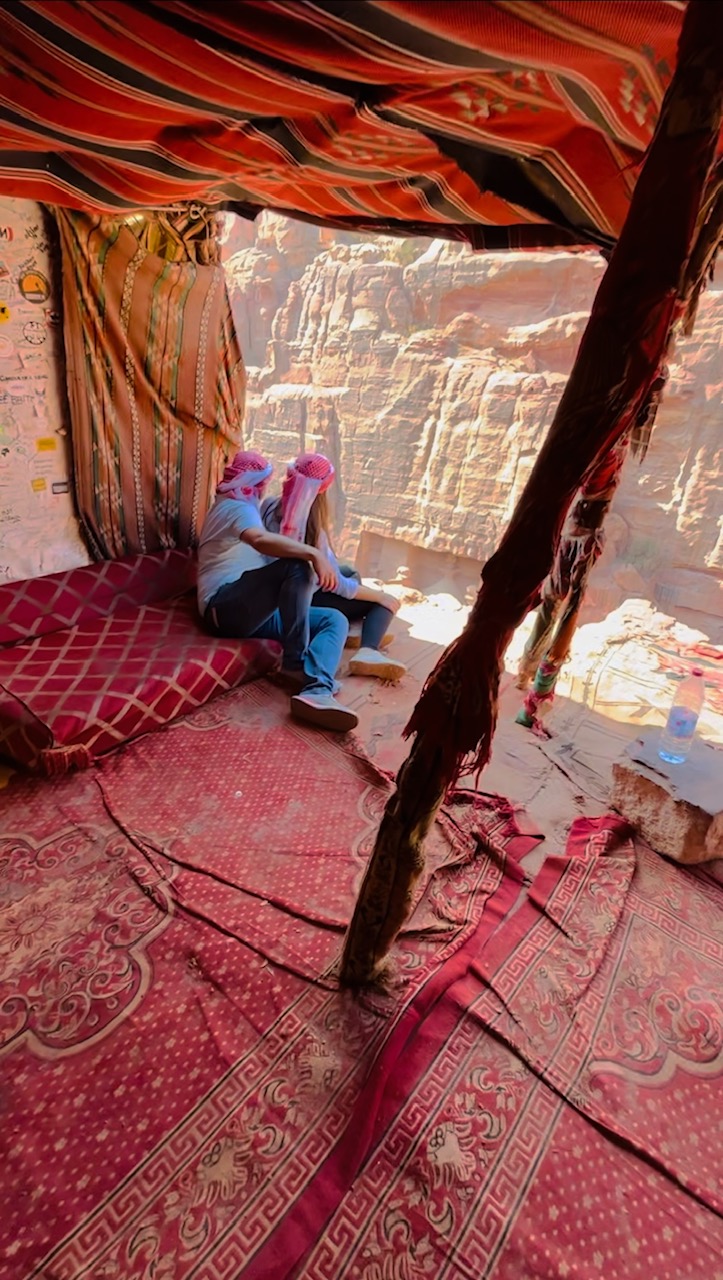
Once we reached the top, we saw a small tent with a hand-written welcome message in the entrance reading “Welcome to the place with the best view of Petra“. The tent was built inside a cave and it consisted of four large Bedouin-style reddish carpets extended on the floor and a few large cushions to rest your back if needed. No chairs, no tables, no menus, no loo. I was amazed to think that was the closest I would experience to a Bedouin lifestyle, as it was away from the touristic trap tents closer to the Petra Archeological Park entrance. The kitchen was right away in front of everyone, and consisted of a big pot where the man who welcomed us was constantly making Bedouin tea, a combination of water, black tea, and lots of sugar.
Unsure from where to sit, Muhammad, the man who welcomed us and we just went to the edge of the tent to see the famous Treasury. What an absolute breathtaking view! We took a few selfies, and decided to have some Bedouin tea. Over the tea, we learned Muhammad was the owner of the tent, which his father left him as inheritance. Muhammad climbed there everyday at 6 AM on his donkey, which looked well-cared and relaxed just outside the tent. This man dedicated every day of his life to serve tea and photograph tourists. He never worried about charging for the tea, the entrance to this strategically located cafe, or even upgrading his tent infrastructure. For over 25 years he had subsisted from tourists contributions and he claimed to be a happy man without ambitions of anything else. He sadly didn’t have even visible teeth left and his clothes were clearly overworn, but this was not troublesome whatsoever.
We, of course, paid for our teas. We chose the price, which was pretty much a tip and entirely voluntary, and decided to stay longer on the edge to contemplate the treasure further. We were the only ones in the tent for a while, thus it was difficult to estimate how much money this man could make in a day. When we paid him, he thanked us and immediately after he asked us for our phones, which was strange considering he didn’t even own one! What followed after was a 10 minute photography session with this man, leaving us incredible pics and, as I call them, influencer-style videos from the Treasury facade that we didn’t even know how to do! (I failed as an Instragrammer?) I couldn’t resist to ask this guy how he learned to master these photography skills, to which he just replied: “I understand what tourists want, and these photos will keep Petra close to their hearts“. I was just not expecting this toothless man to be such an expert and master my phone like a professional, and to date I wonder how much he could monetize his business to do more than survive! Yes, I have the capitalist chip so embedded.
It’s astonishing to see how technology has penetrated our societies all around the world. As we democratize access to the Internet and smartphones, social media and digital communication become survival tools for many isolated communities, being the Bedouins one of them. I like to think of Petra as the city that has been lost and found, and it’s ready to welcome the modern world in a different way. True Bedouins are not like the rest of us, they adapt easier, live happily with less, and experience freedom as its best. Every time I feel I’m overthinking a situation or witnessing myself want more, I just ask myself: what a Bedouin would do?
Want to meet another authentic Bedouin? Check this post from NatGeo. If you want to support Muhammad, visit Petra and ask for guidance to follow the path to the highest point from where you can see the Treasury. Curious to know how about your experience, so let me know in the comments!
If you enjoyed this post don’t forget to like, follow, share and comment! Happy to hear from you via email at: airamgabriela17@gmail.com
There’s a trip I took when I was very young that deserves justice, and that’s why I’m bringing it back here. I call it the pictureless trip, since – believe it or not – there isn’t a single picture of it. Hard to believe today, right?
This was my quinceañera trip to the Dominican Republic in 2008. In Latin American countries there’s still an inherited tradition from the Spanish era to celebrate a girl’s 15th birthday in a big way, a moment that was once seen as a transition into marriageable age. Back then, families would spend a fortune celebrating the event: colorful gowns, big cakes, vals dances, and groups of boys escorting the girls were all part of the routine.
Society has slowly moved away from that idea of marriage, but turning 15 is still a huge deal and widely celebrated. In Colombia in particular (not sure about other countries), gifting girls a trip instead of throwing a party became a popular choice at least for families privileged enough to afford it.
I must admit I never dreamed of celebrating my 15th birthday. Still, my mom (and dad) made a big financial effort to make the most out of the occasion and gave me the choice between a party or a trip abroad. What do you think I chose?
Of course, I couldn’t say no to a trip. My mom pictured in her head the beautiful beaches of Punta Cana, and the best part was that she convinced the mom of my high school best friend to let her come with me. What party could have been better than that?!
Months later, Cami and I were on a plane headed abroad, on a trip organized just for quinceañeras (I think there were about 20 of us). I didn’t stay friends with most of them, but I’m lucky to still call Cami one of my friends 17 years later.
Our days went like this: breakfast, beach with the boys we met, parasailing, pool in the afternoon, dinner, and dancing at night. We also visited Santo Domingo for two days, and even secretly shared tiny sips of alcohol from the guys, since the hotel wouldn’t give us any.
The nights were what we looked forward to the most: dancing at the hotel. We were only allowed until 11 PM, just when the fun really started with the bachata classes! The guys, being 18, stayed until 2 AM, while we had to sneak back pretending to be asleep, annoyed that we missed the best part. Some girls even escaped early in the morning, only to regret it when the guides threatened to send us home early as punishment.
On the dance floor, I can’t even remember how many guys tried to hit on me every night, but I must admit there were quite a few, and I was enjoying the attention. Still, only one really stole my heart. My quinceañera summer romance was with one of those boys, and we truly bonded during the trip. It was all perfect until we had to say goodbye, and we both felt the heartbreak. After the trip (which lasted about 8 days), we spent hours talking on the phone, trying unsuccessfully to meet again (we lived just a 30-minute flight apart). Eventually, time turned us into just good friends, until we lost touch a few years ago. Still, it’s a memory I’ll always cherish.
The not-so-good bits? Beyond the fun, the beaches, and the secret kisses, I still remember how shocking Santo Domingo was. The poverty was so visible that it was hard not to feel ashamed. I truly hope the country is in a better place now.
I guess the point of writing this at this stage of my life is to say thank you again to my mom and dad from a more conscious place for giving me the opportunity to start exploring the world at such a young age, and for showing me that traveling is one of my biggest dreams, one I’m lucky enough to keep living today.
P.S. I’m writing this post as I prepare to take off for Bergen. Norway is my country #42, but the Dominican Republic will always have a place in my heart.
And you… do you have a pictureless trip to remember? 💜
This piece isn’t about travel, but about a film that left me thinking long after the credits rolled. I felt it deserved a space here.
It took me two weeks to gather the courage to watch Straw, by Tyler Perry (spoiler alert!). I hesitated to watch it because of everything I’d seen on social media. So many people were shocked by its raw portrayal of a single mother’s struggles. I remember thinking: if I ever become a mother, I definitely don’t want to watch this kind of film, it just sounds too discouraging.
To my surprise, the message I took from the movie was far more unsettling than I expected: that mental health is a luxury, an aspiration reserved for those who can afford to eat, to sleep, to live in safety.
The movie portrays a single mother, Janiyah, who became a mother against the odds. Having no access to healthcare in the United States, she was instructed to (unsuccessfully) abort when her water broke, and her daughter was not supposed to survive for long. The story highlighted other issues though, from how she couldn’t afford rent for the two of them, nor the medicine of her daughter, all while on the edge of eviction. On a given day, all her worst fears come to reality: homeless, with her daughter taken into foster care, and charged with double homicide after her boss fired her and ignored her pleas for help.
When things couldn’t get worse, they did. Janiyah ends up in what looks like a bank robbery trying to cash her last check for $521 to pay for her daughter lunch program at school. She uses a gun to threaten the cashier as they wouldn’t let her cash it out without an ID, which she hadn’t. Hours later, she would become viral telling the story of her own struggles in a live one of the hostages secretly hosted. She provoked empathy from black crowds, and hatred and indifference from some others who simply saw her as a criminal.
When the hostage situation resolves, she obviously gets arrested by the end of the movie, and accepts she has to spend quite some time in jail. It was sad all around, but turned out shocking when I found this situation spiraled down into chaos out of a completely different reality: her daughter had died the night before in a seizure, and there was no lunch to pay, there was no daughter to love. This is the moment I realized this story was not only about the struggles of single motherhood, or being black in a country with a lot of racism even today, but something deeper: that mental health can break us down in ways we can’t even comprehend or anticipate.
The crimes Janiyah committed were the result of a physical body that couldn’t cope anymore with hunger, poverty, and indifference. Her mind was pushed to the extreme under consistent survival mode. She acted like an animal, not because she was one, but because hunger, grief, and poverty reduce us all to instinct. When our basic needs go unmet, we stop functioning like citizens, like parents, like humans. We survive.
There’s no doubt that motherhood can become a trigger for many and exacerbate stress and struggles. But for me the main moral of this story is: We can’t aspire to be fully human when we’re starving. Until then, we’re just cornered animals doing what we must to survive. And the most devastating part? We live in a world that could feed us all, yet still lets people break.
If this resonated with you, I’d love to hear your thoughts. Writing this helped me process something I didn’t know I needed to, maybe it can do the same for someone else 🧡
A while ago, I wrote a post about India without ever having been there. It was based on what I had learned from Indian friends and colleagues who challenged my stereotypes and shared beautiful, personal stories about community, marriage, and connection.
But then I actually went to India. And it turns out, no amount of secondhand stories could have prepared me for what I saw and felt.
Here are a few things that stayed with me.
The family living in a tent
One afternoon, while driving past a slum, I saw families living in tents, improvised shelters that looked like the kind you might buy online for summer camping. Only dirtier. Older. Fragile. With ten or more people crammed into each one. It was heartbreaking, but I had heard that India was still a relatively poor country, so I wasn’t really surprised.
Then our guide told us something I still can’t get over:
“They have money but they’re saving for a wedding.”
He explained that many of these families actually had the chance to live in better conditions, but were choosing to live like this in order to save up for their daughter’s marriage.
The weight of tradition and social expectation was so heavy that basic comfort and dignity were willingly sacrificed. It was then I realized that the idea of marriage in India wasn’t just about compatibility and pragmatism but it was often a system built on pressure, spectacle, and personal cost.
On love and the Taj Mahal
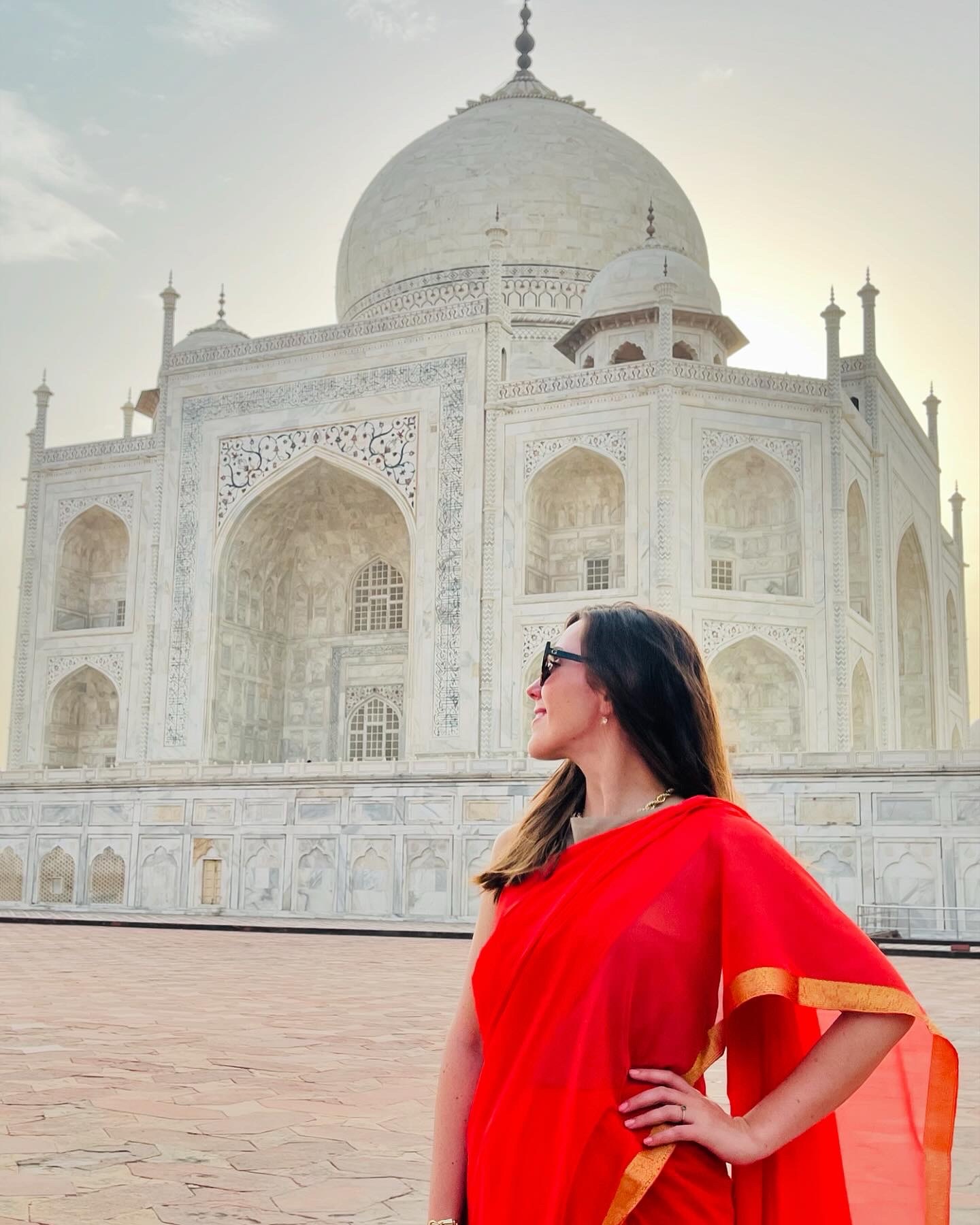
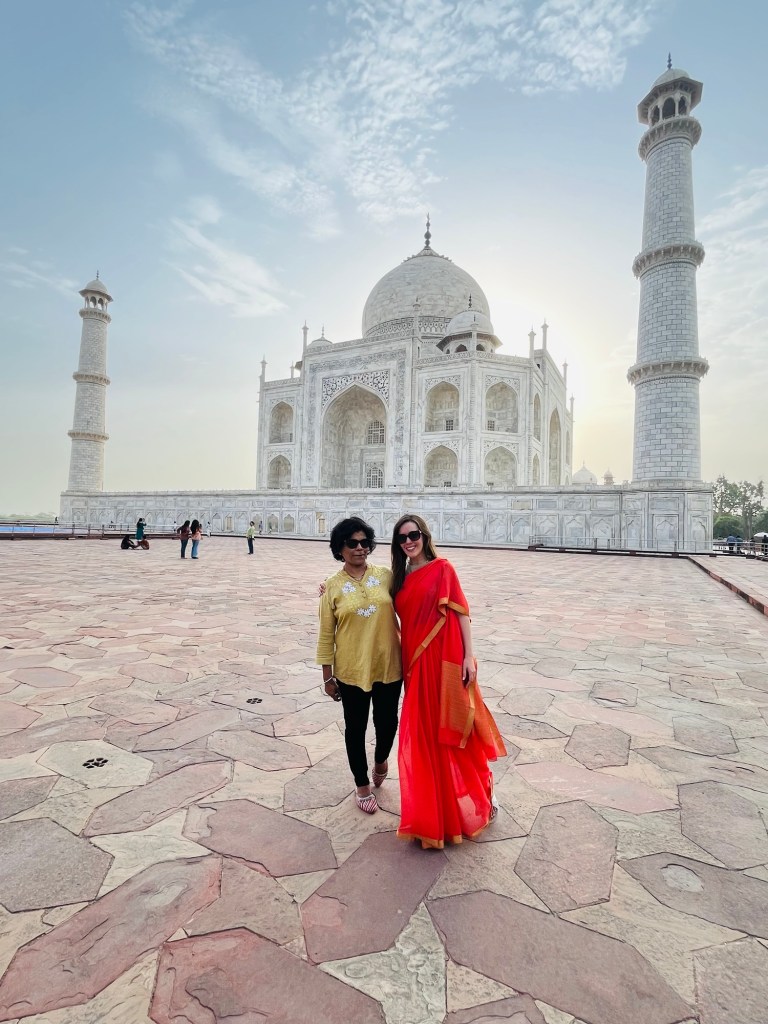
The Taj Mahal is magnificent. There’s no other word for it. It’s one of those places that somehow does live up to the hype, grander in scale, more intricate in detail, and more emotional than I ever expected.
Built by Emperor Shah Jahan in the 17th century, the Taj was a mausoleum for his wife Mumtaz Mahal, who died giving birth to their 14th child. Heartbroken, he commissioned this marble masterpiece in her memory, a tribute to eternal love.
And yet, as I stood there, taking it all in, a thought crept into my head, half irreverent, half sincere:
“He built her all this after she died? Maybe a little less marble and a little more love while she was alive would’ve been nice.”
Of course, we can’t know what their relationship was truly like. But there’s something telling about how much we glorify love after it’s gone, turning it into legend, a monument, a story to be admired. Sometimes I wonder if it would be better to invest all that energy into the everyday love, the kind that’s still alive and needs us.
The Taj is breathtaking. But it’s also a tomb.
And I guess that contrast, beauty and grief, admiration and loss, stayed with me long after I left.
Being the attraction
One thing I didn’t expect: people kept asking to take photos with me. Not because I was someone important, but simply because I was white.
At first I was confused but finally just went with it. It reminded me how much curiosity still exists across cultures, and how much unspoken privilege comes with the way we look.
Me and a lovely stranger in Taj Mahal before sunrise on a beautiful and hot summer day
What I loved
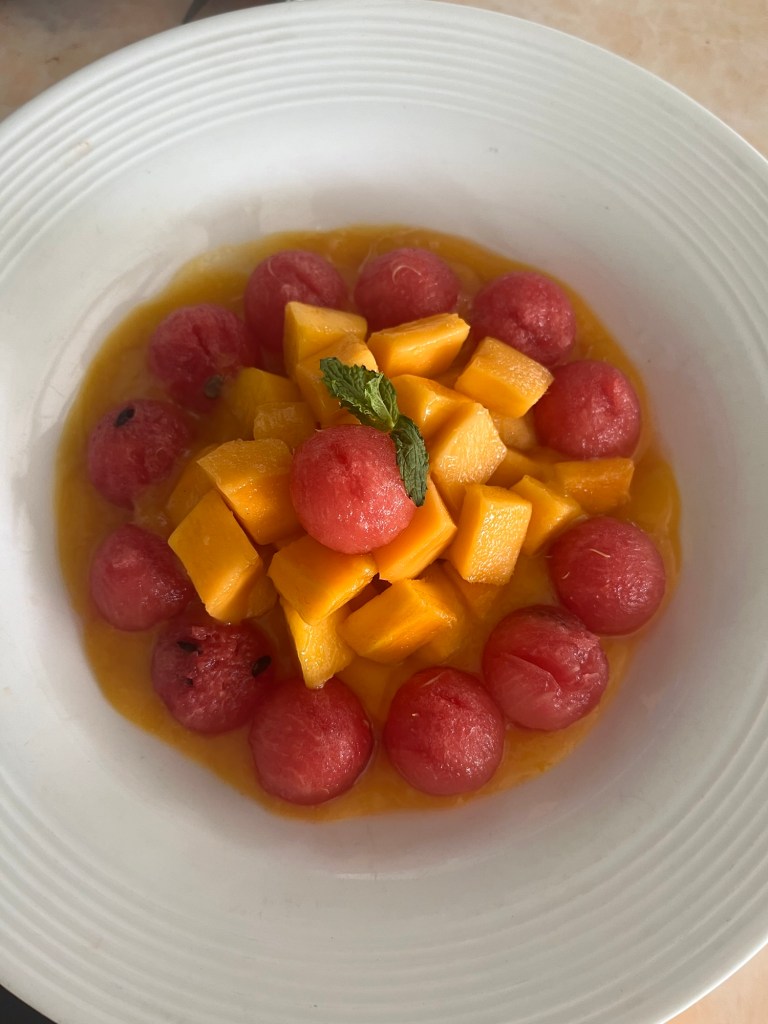
Let me be clear: I loved India! The food was incredible. I eat curry happily and regularly, but the ones I had there were unforgettable. And the fruits… simply another level!
This mango was an absolute delight! The best mango I’ve ever tasted in my life
The people were kind, curious, and warm. And though I’d heard safety concerns before going, I actually felt okay, though to be fair, I stayed in five-star hotels and had a guide. My experience came with its own layer of protection. Still, the warmth I felt wasn’t just hospitality. It was very kind and human.
What I took home
India overwhelmed me in the best and hardest ways. It made me laugh, cry, question, and learn.
I still think arranged marriages can work. But now I also see how expectations can become burdens, and how the cost of tradition can sometimes be too high.
I still admire Indian community values. But now I understand how hard people work to maintain them and how unevenly the weight is shared.
I still believe travel changes you. And this time, it didn’t just open my mind. It cracked it wide open.
With my travel companion and life partner in hot Delhi ❤️🔥
P.s. For this post, I used help from ChatGPT to better connect my ideas, but the stories, reflections, and emotional rollercoaster are all mine. India is a different experience for everyone 🧡
This post is about something I’ve been sitting with for a while. It’s personal, opinionated, and grounded in curiosity like most lessons I try to write about. I don’t intend to convince anyone but rather openly talk about the stories we’re told, especially when those stories are about our own bodies.
There’s a dominant narrative around childbirth that openly promotes vaginal delivery as the superior, more authentic way to give birth. But when you strip away the emotional messaging, sometimes the guilt tactics, and the romanticized idealism, what’s left is often not science but social conditioning, misinformation, and frankly, some level of misogyny.
Let’s talk about one of the most repeated claims: that vaginal birth is essential because it seeds the baby’s microbiome. It’s true that newborns are exposed to bacteria in the birth canal, but multiple studies have shown that by six months of age, the microbiome of babies born via C-section and vaginal birth are essentially indistinguishable, especially when the baby is breastfed and lives in a healthy environment. So why is this argument still pushed so hard into expecting mothers? Because it sounds scientific enough to unfortunately guilt women into accepting pain and risk as a maternal duty.
Another myth: that vaginal birth is better for “bonding.” This one is even harder to debunk because it plays directly into maternal guilt. Yet research shows that bonding is a complex psychological process influenced more by skin-to-skin contact, maternal mood, postpartum support, and feeding practices than by the mode of delivery. There’s no evidence that C-section mothers love their children any less or that their children are less attached. But this myth continues, whispered by relatives, reinforced by nurses, and internalized by women already overwhelmed by the weight of motherhood.
And then there’s the oldest, most dangerous myth: “Your body is made for this.” No. Sometimes, it isn’t.
Evolution doesn’t guarantee safe outcomes. Babies today are, on average, larger than in previous generations, thanks to better maternal nutrition and healthcare. But women’s pelvises haven’t magically widened. This mismatch has increased the risk of obstructed labor, shoulder dystocia, and emergency interventions. And yet, this fact is rarely mentioned in prenatal care unless something goes very wrong.
What no one tells you is what vaginal birth can do to your body long term. The risk of tearing. The risk of prolapse. The risk of incontinence. The painful sex. The discomfort that lingers not for weeks, but sometimes for years. The trauma no one validates because, “Hey, at least the baby is healthy, right?”
The usual advice for expecting mothers at this point is doing Kegel exercises, the classic clench-and-release moves to strengthen the pelvic floor muscles supporting the bladder, uterus, and bowels. These exercises can help reduce urinary or fecal incontinence in the short term, and even improve sexual function and muscle tone after childbirth.
However, the evidence shows that Kegels don’t guarantee long‑term recovery after vaginal birth. Some studies report mixed outcomes: while pelvic floor muscle training (PFMT) does reduce stress urinary incontinence and prolapse risk in the early months postpartum, its benefit for sustained function beyond six months to a year is inconsistent. Additionally, not all bodies respond the same way. In cases where pelvic floor muscles are overly tight (rather than weak), Kegel exercises can actually worsen symptoms such as pelvic pain.
And C-sections? Instead of being presented as a legitimate, even rational option, they’re portrayed as the least resource, sometimes even cowardly, lazy, or selfish. Women are discouraged from asking questions, shamed for planning their births, and told to just “trust their bodies” while the system around them fails to give them full, honest information.
Let’s not forget the asthma scare tactic either. Some studies show a slightly higher risk of asthma in C-section babies, but that difference is small, not causally proven, and tends to disappear by early childhood. More importantly, factors like environment, genetics, antibiotic use, and feeding choices play a much bigger role than how the baby was delivered.
That’s not empowerment. That’s coercion wrapped in pastel-colored messaging. And it’s misogyny. Misogyny that tells women pain is noble and suffering is sacred. That you should earn your motherhood with your body torn open in the “right” way.
The complicity is widespread. Some doctors present only partial truths. Family members and even other moms chime in with stories disguised as advice. Society applauds women who endure, but never questions why they had to in the first place, which promotes more women to believe these stories themselves.
I’m not a mom, but if I’m someday, I want science, not shame. Choice, not coercion. Respect, not romance.
Let’s stop pretending that pain is a virtue and that silence is safety. Let’s start telling women the truth and trusting them to make the right decisions for their own lives, their own bodies, and their own babies.
⸻
Side note: if you’re curious
A few evidence‑based references related to birth recovery and long‑term outcomes:
On Pelvic Floor & Kegels • Health (2025): Kegel Exercises: What They Can and Can’t Do • Cureus (2025): Effectiveness of Pelvic Floor Muscle Training in Preventing Urinary Incontinence After Vaginal Delivery • ScienceDirect (2017): Pelvic Floor Muscle Training for Prevention and Treatment of Urinary and Anal Incontinence • The Guardian (2025): The Myths About Kegels
On Delivery & Infant Health • Yassour et al. (2016). Natural history of the infant gut microbiome and impact of antibiotic treatment on bacterial strain diversity and stability. Cell Host & Microbe. • Zhou et al. (2019). Association of Cesarean Delivery With Risk of Childhood Asthma and Allergic Rhinitis. Allergy Asthma Clin Immunol. • Hill et al. (2017). Impact of delivery mode on infant gut microbiota. Frontiers in Pediatrics.
Stay healthy, stay curious, and never stop informing yourself 🩷
Have you ever heard someone call a dolphin and watch it actually appear? Have you ever been dazzled by the lighting from the moon and stars on a fully open sky?
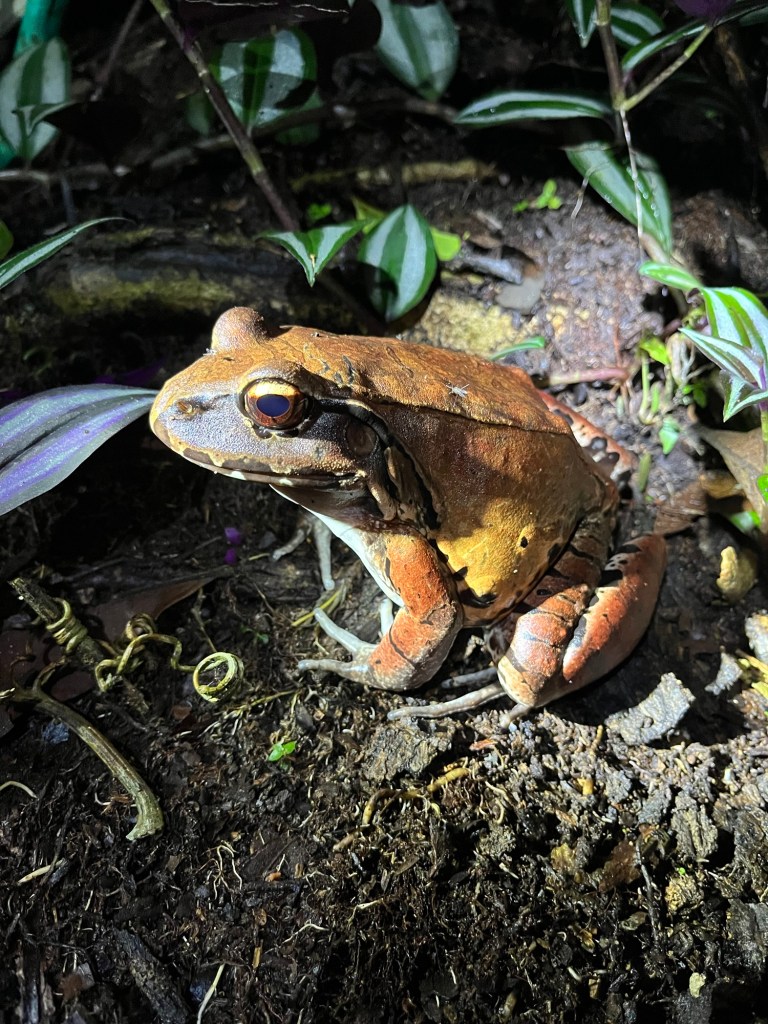
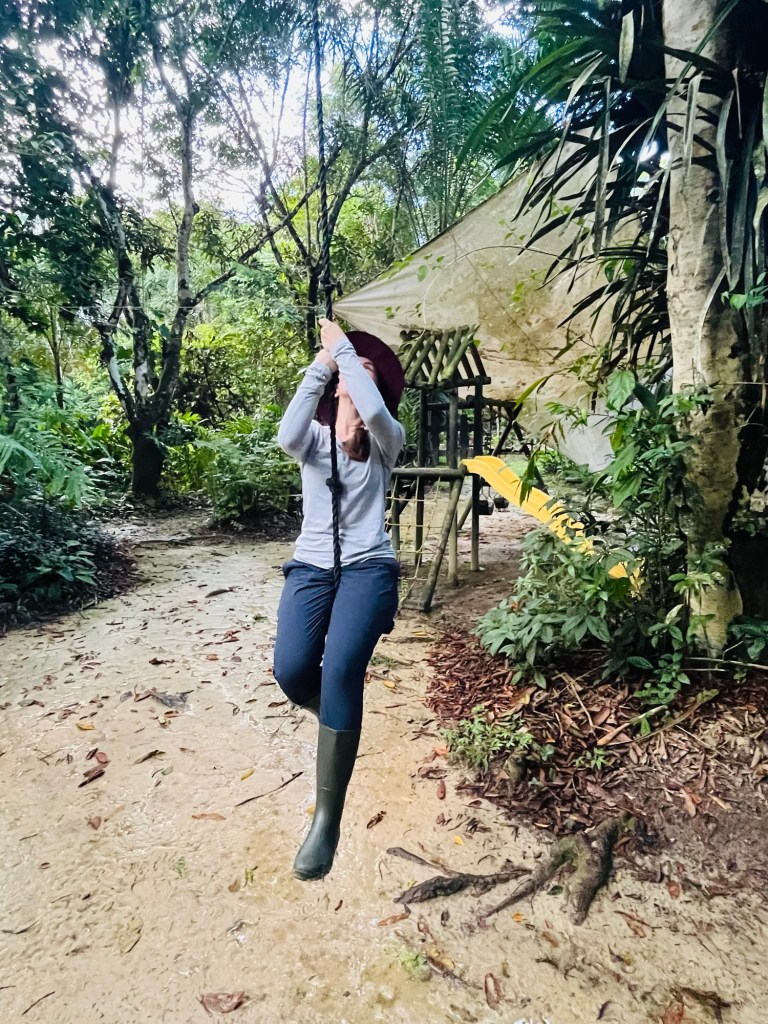
All trips leave us with stories. Some you tell in passing, others you carry like treasures. My trip to the Amazon rainforest in January 2024 gave me stories I know I’ll hold forever, stories of connection, wisdom, and a kind of beauty that words can only begin to capture.
A sunset safari like no other
I didn’t know it yet, but that night on Lake Yahuacaca would give me one of the most unforgettable experiences of my life. My partner and I had boarded a rustic boat with a local guide, a man in his late 50s or 60s, whose mind seemed to hold the entire rainforest. He knew every plant, every bird, every hidden medicine. And then he claimed he could call the pink dolphins.
I thought, “Okay, let’s see.” He cupped his hands to his mouth and released a strange, raw sound. For a moment, nothing. Then the water stirred about 20 meters away. A pink dolphin surfaced, circling our boat as if answering a call from a friend. I was speechless. The guide whispered that the dolphin was upset because he usually brought food but hadn’t that week and therefore it was all very quick and he disappeared into the water in the blink of an eye. It was a magical brief moment. The fact that he had called it at all, that he held a language with nature we’ve long forgotten, left me in awe.
With him was his 15‑year‑old grandson, there as his assistant. Most people roll their eyes at teenagers, but this boy was different: humble, dedicated, eyes shining with dreams. He told us he studied tourism and worked afternoons and weekends because he wanted to be a guide like his grandfather. No arrogance, just curiosity and gratitude. Watching them together felt like witnessing the Amazon’s future.
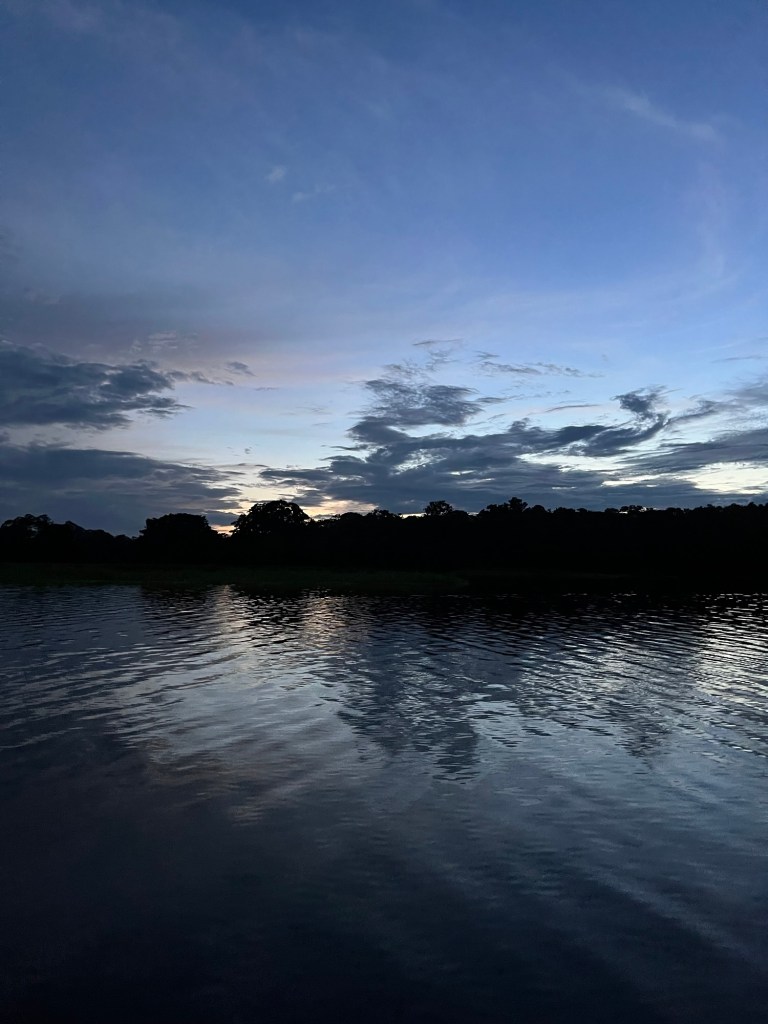
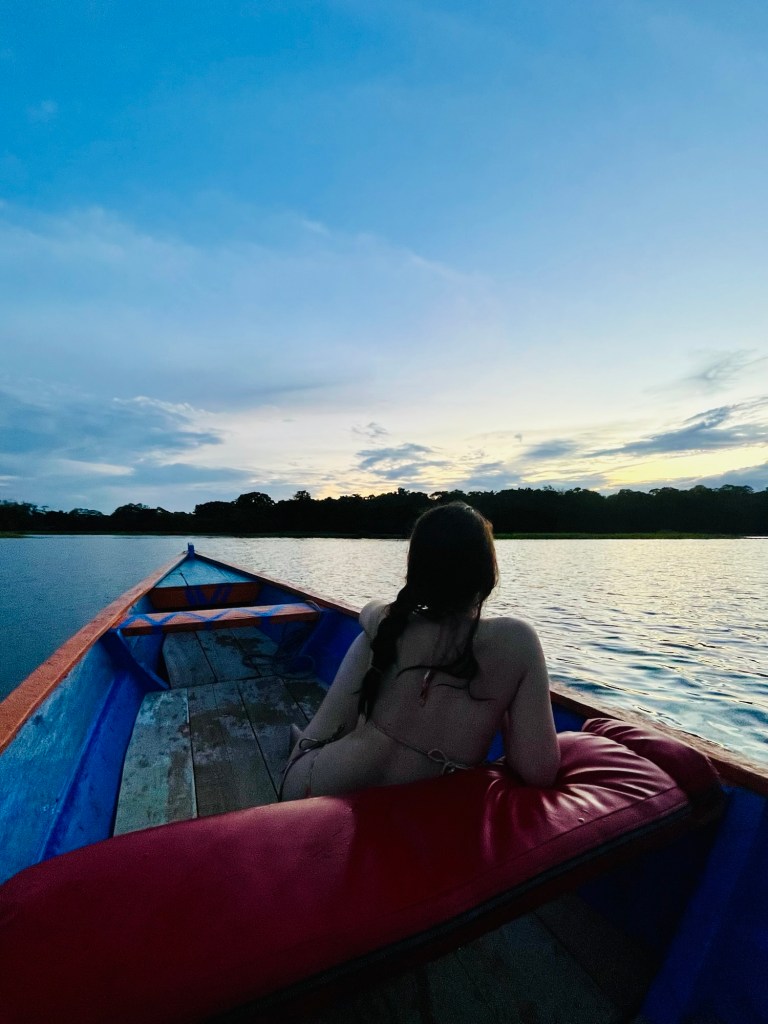
Just before night fell, our guide encouraged us to take a swim in the Amazon River itself. We had brought swimsuits, though we weren’t sure we’d actually use them, but the temptation was too strong. The water was refreshingly cool, wrapping around us like silk. I didn’t stay more than five minutes, I’ll admit, as my mind kept flashing images of crocodiles lurking below. But those short minutes were unforgettable. To say “I swam in the Amazon River” still gives me goosebumps.
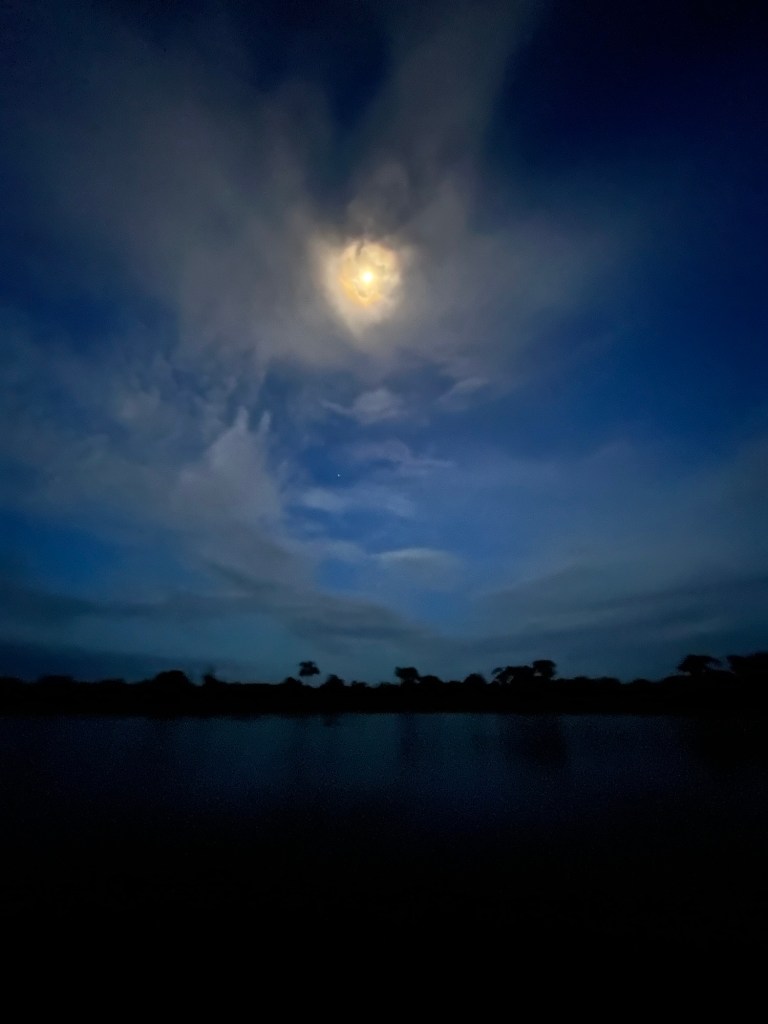
After the sun dipped, our guide gave us cushions and told us to lie back. The boat drifted silently among the mangroves. Above us, a sky overflowing with stars; around us, the jungle alive with birds, bats, insects, and creatures unseen, a chorus so loud it felt like the forest was singing opera. We didn’t speak. We didn’t need to. That hour was the closest I’ve ever felt to nature’s heartbeat.
Awakening with birdsong
Another morning we rose at 4:30 a.m. for birdwatching. Armed with a checklist, we spotted over fifty species in just an hour right there in Leticia. The diversity was simply astonishing.
Did you know that Colombia is home to nearly 2,000 bird species, more than any other country on Earth? That’s nearly 20% of the world’s birds, packed into one nation, and it makes it a birdwatcher’s paradise. At the same time, Colombia ranks as the second most biodiverse country on the planet, just behind Brazil.
Later that day, at Parque Mundo Amazónico, we explored an immense number of medicinal plants the locals use almost every day. Some, they told us, had even helped them cure and protect themselves during the Covid‑19 pandemic.
The weather was hot and humid, and I was suddenly struck with a brutal headache. I thought it would ruin the day. But our young guide, who was 26 years old, simply bent down, picked a plant from the path, brewed it into a quick tea, and handed it to me. I drank it, and within minutes, the pain was completely gone. I never learned its name for certain, but it may have been Tayuya, a rainforest vine known to relieve headaches and inflammation, or perhaps Ankhu’si, a medicinal nettle used by the Kofan people. Whatever it was, it worked and fast.
Back home, I’d have reached for a pill without thinking. Here, the forest itself had healed me. That moment was a revelation. These guides learn the same subjects we do: math, geography, history, but they also inherit ancestral wisdom we’ve lost. Knowledge that keeps them calm, present, and in harmony with their world. I didn’t feel jealous so much as humbled, reminded of how disconnected we’ve become.
On Pelazón & Mojojoys
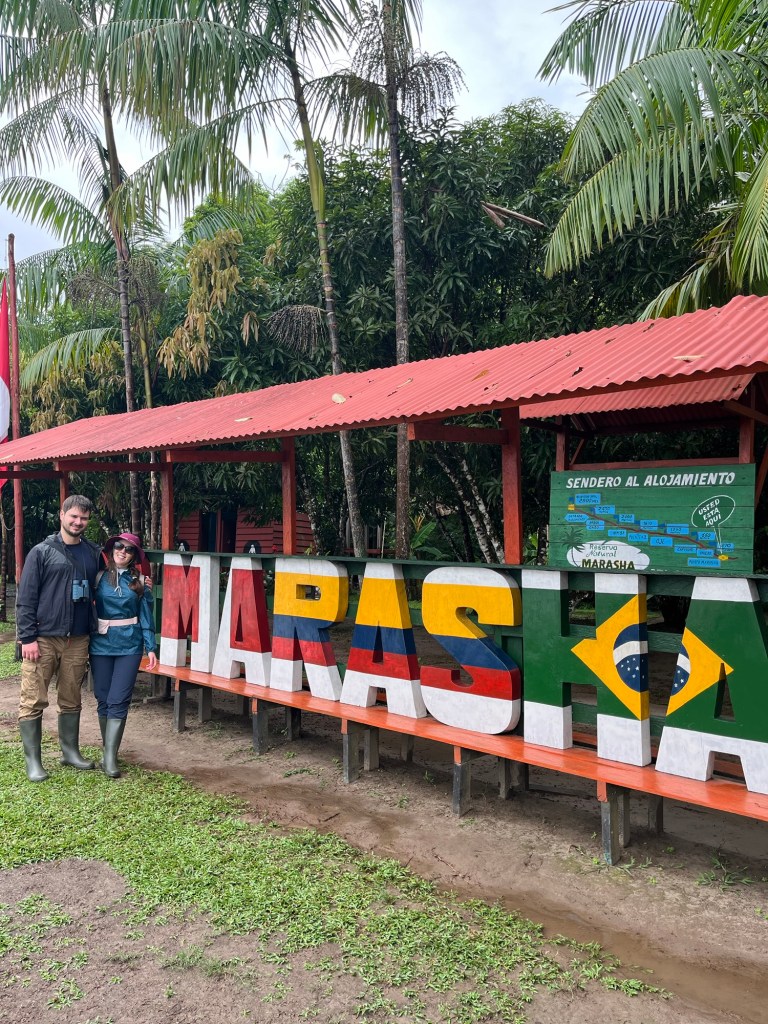
Our journey took us beyond Colombia into Peru and Brazil. In the Marasha Natural Reserve of Peru, we learned about the Tikuna Pelazón ritual. At a girl’s first menstruation, she is kept in isolation for months, taught songs, weaving, and the wisdom of her people. The ritual ends with her head shaved, once even by pulling the hair by hand, her body painted black, and the community welcoming her as a woman.
Hearing it left me conflicted. The symbolism was powerful, but the practice itself felt harsh. It was a reminder that cultures hold deep wisdom, but not all traditions age with grace.
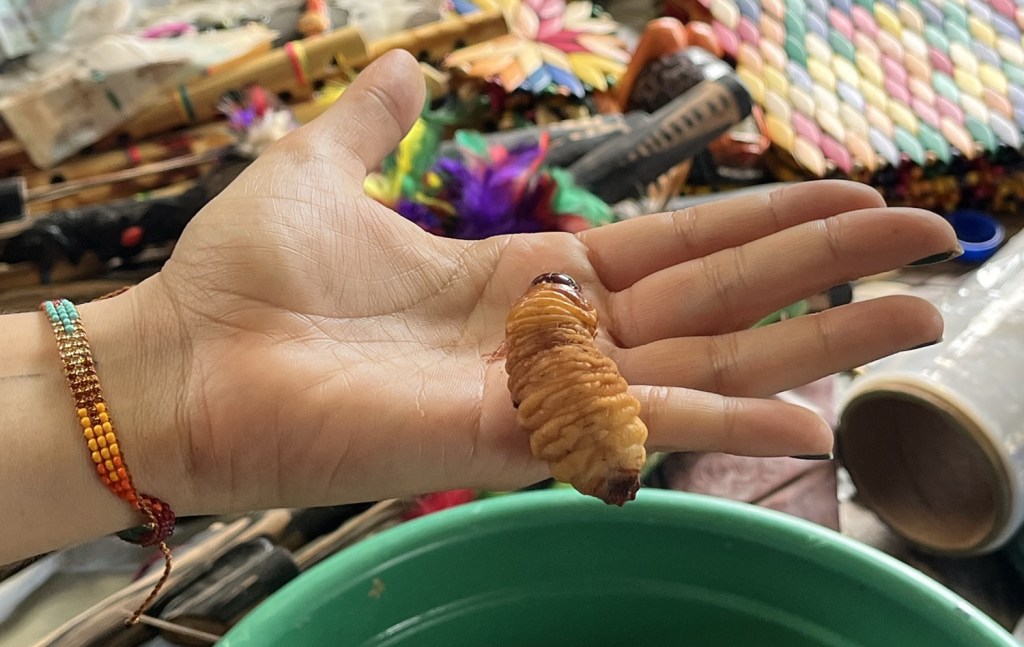
That same day, we were offered mojojoy: live palm worms considered a delicacy. Many tried them; I couldn’t. Just the sight was enough to know I’d regret it. Still, watching others embrace it showed me how much food, for them, is more than sustenance, it’s ritual and resilience.
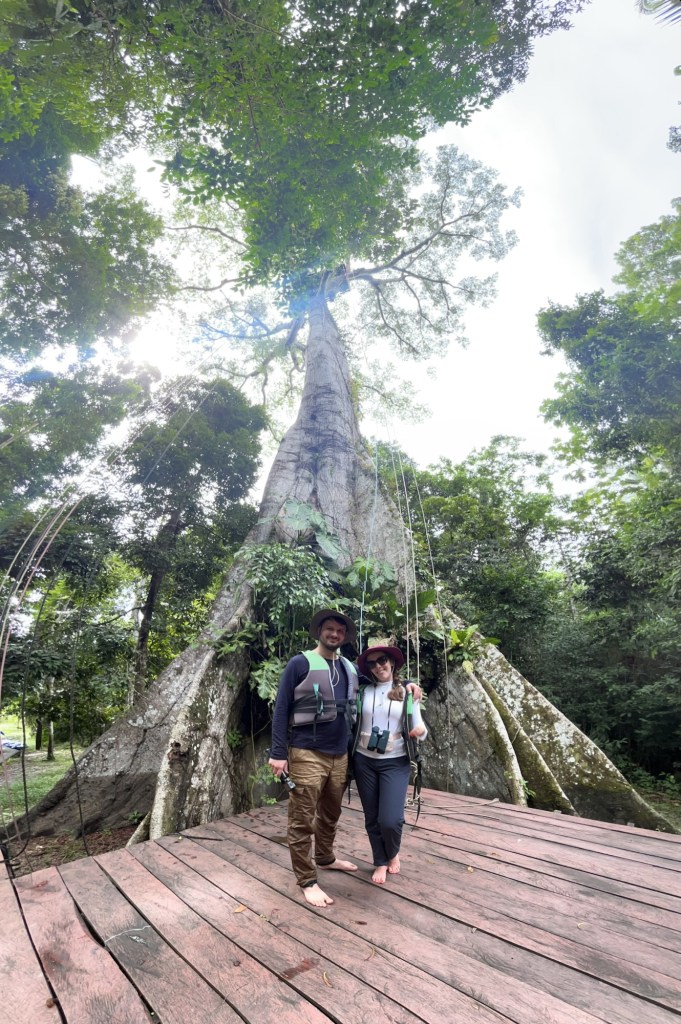
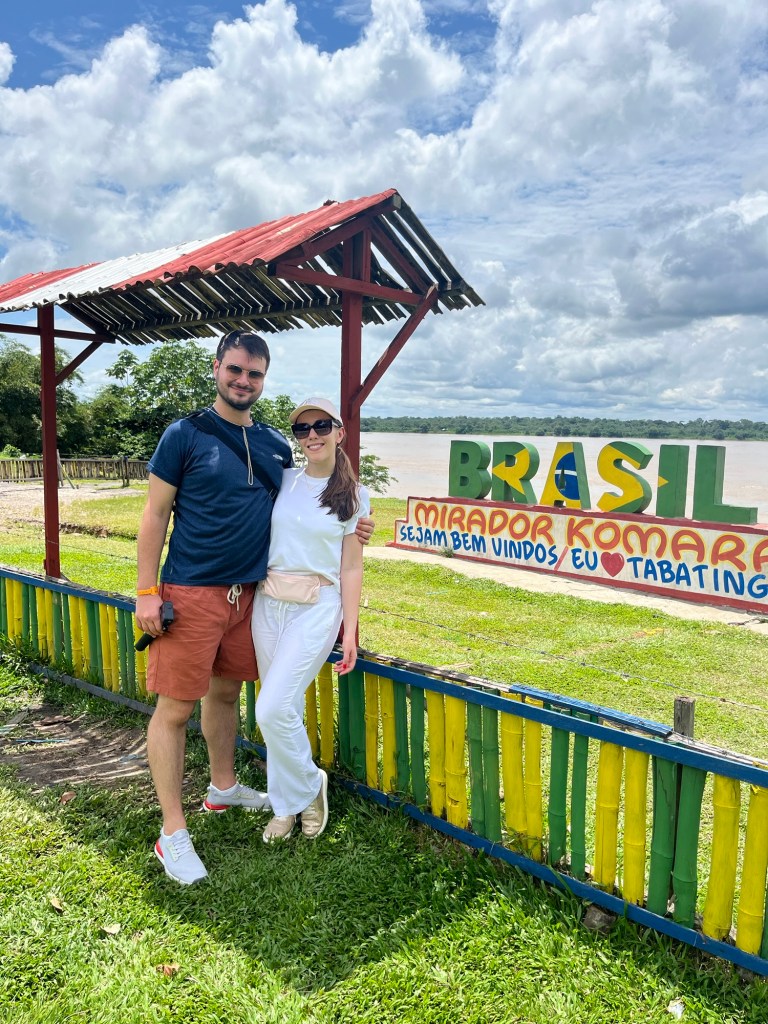
Marasha ReserveA cutie…La Ceiba, a 400-year-old majestic treeBrazilian Amazon
La Isla de los Micos: A playful pause
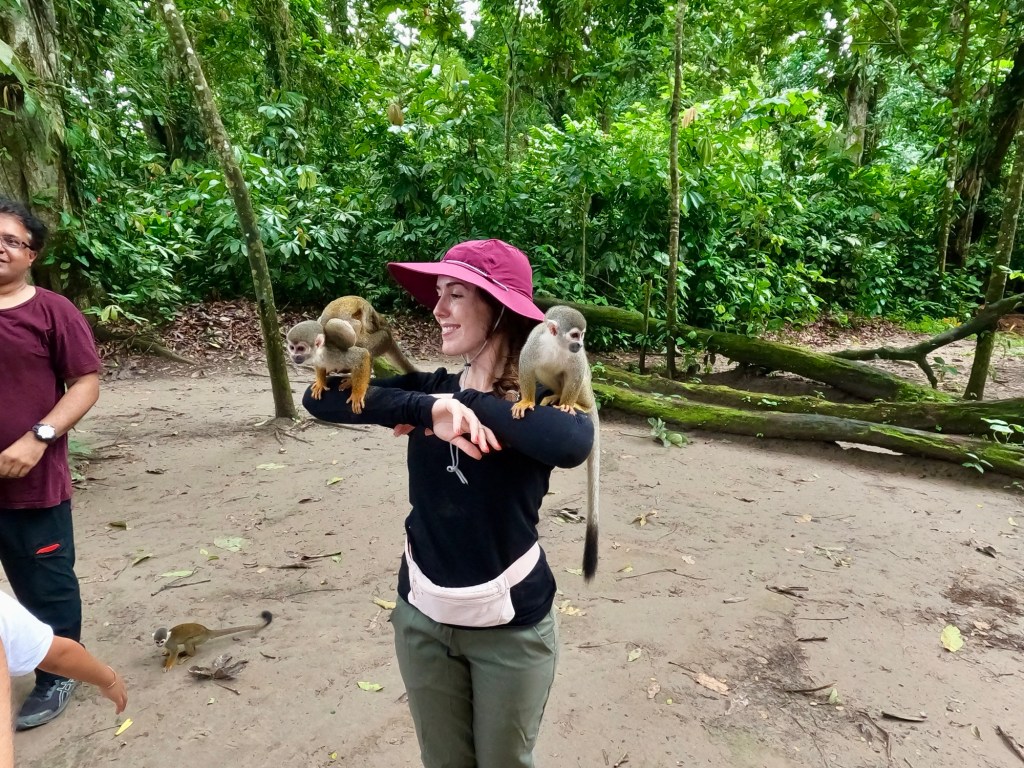
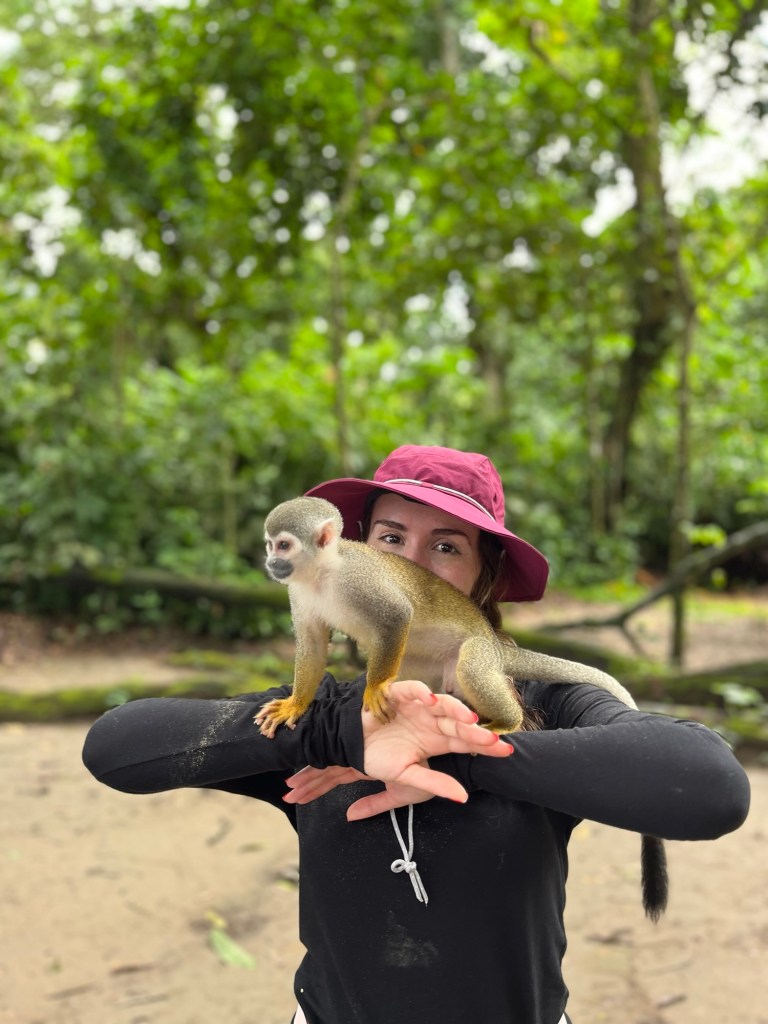
Another highlight of this trip was our visit to La Isla de los Micos (the Island of the Monkeys). From the moment we arrived, we were surrounded by curious, playful little micos jumping from branch to branch, and sometimes directly onto us. They knew we had food and weren’t shy about asking for it.
At first I wondered if they were being exploited, but I was relieved to see they looked healthy, active, and well cared for. They weren’t locked up or forced into tricks, just free to move, interact, and charm every visitor brave enough to let a monkey climb onto their shoulders.
It was lighthearted and fun, a reminder that the Amazon isn’t only about silence, wisdom, or ancient rituals, it’s also full of play, laughter, and unexpected joy.
Puerto Nariño: Rain, Lilies & Macaws
One of my favorite stops was Puerto Nariño. I fell in love instantly: peaceful streets, little cafés, surprisingly good ice cream.
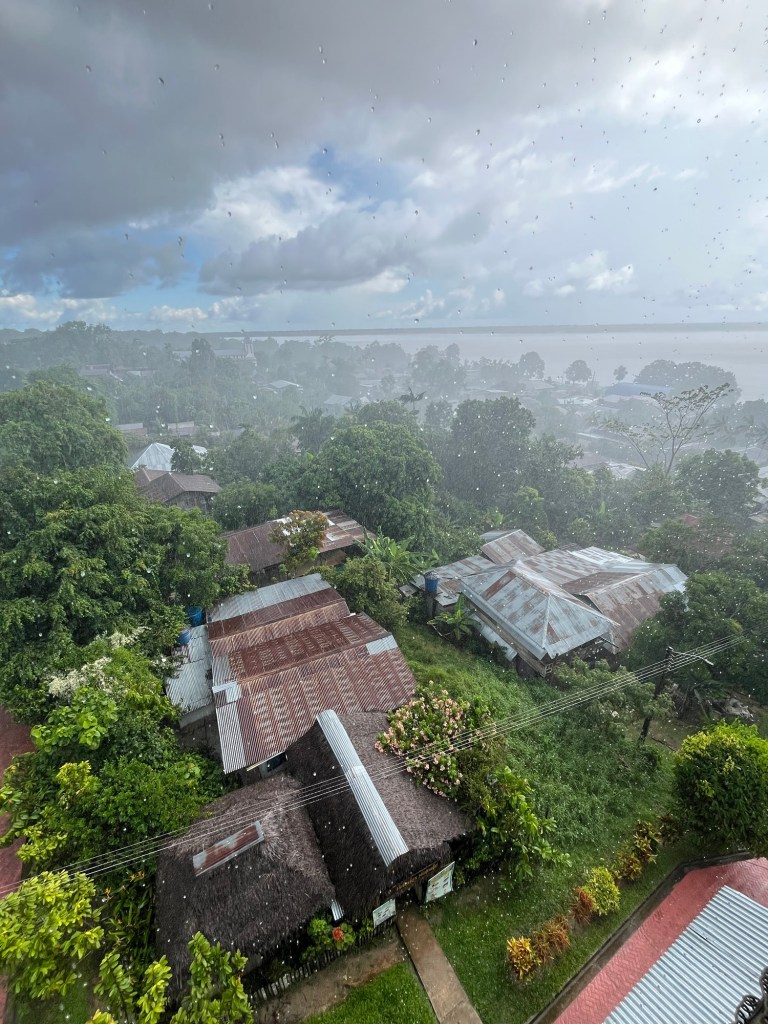
At the highest viewpoint in the town, we looked out over the river and the little houses when the skies suddenly opened. Not a drizzle, a full rainforest downpour. And it was wonderful. After the long climb in humid air, the cool rain felt like nature’s own air conditioning. We stood there smiling, soaked and happy.
Puerto Nariño, and the storm
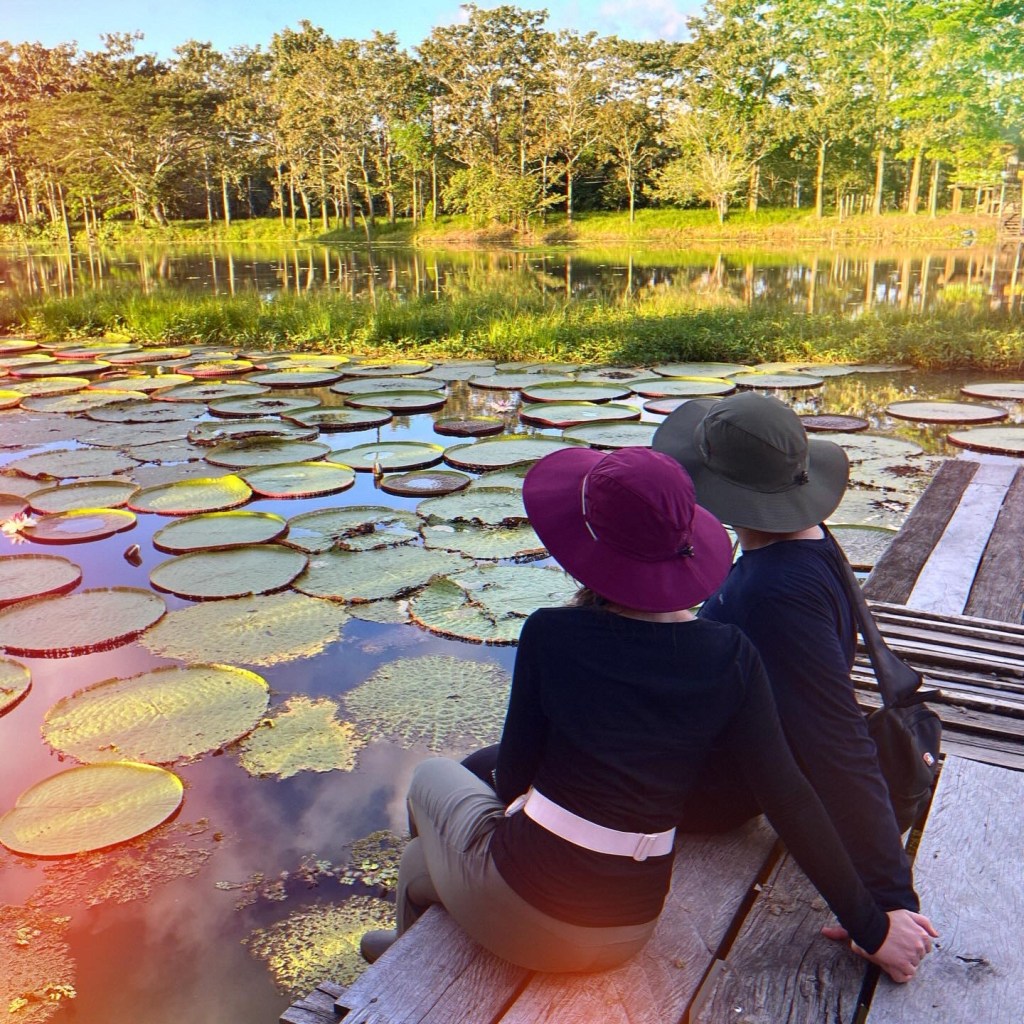
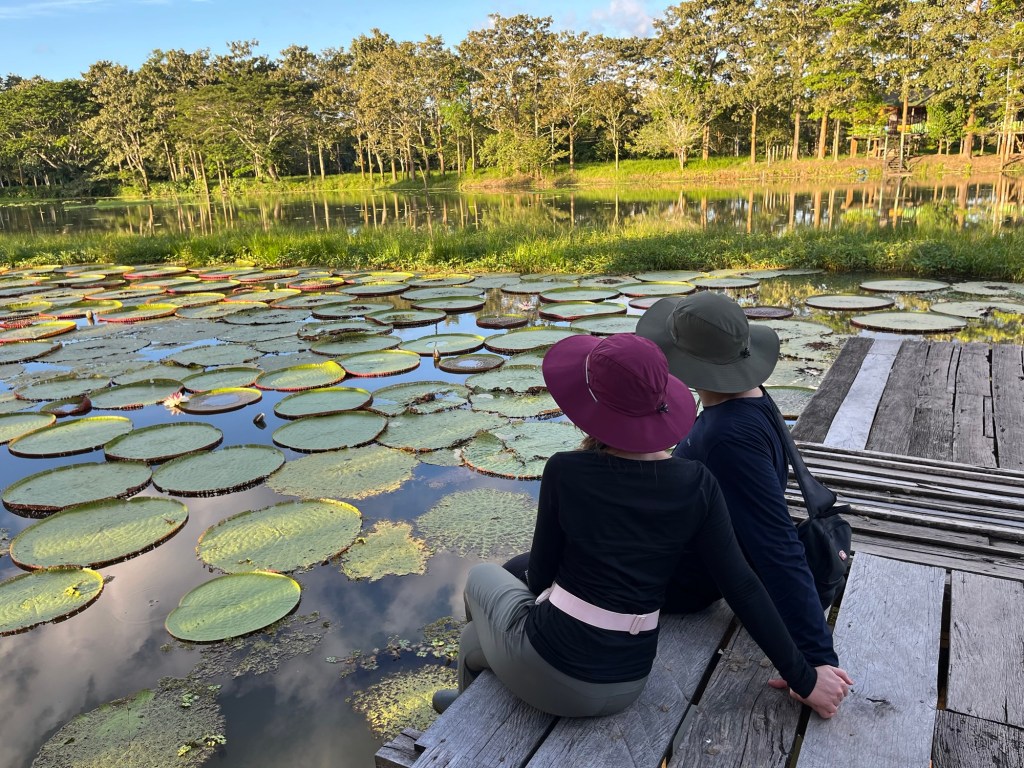
Later we visited the Reserva Natural Victoria Regia, where enormous water lilies floated like green plates, each cradling a delicate flower in the center. The name comes from a British explorer, though it has nothing to do with local languages. Still, standing among them, I understood why he was so awestruck.
Reserva Natural Victoria Regia
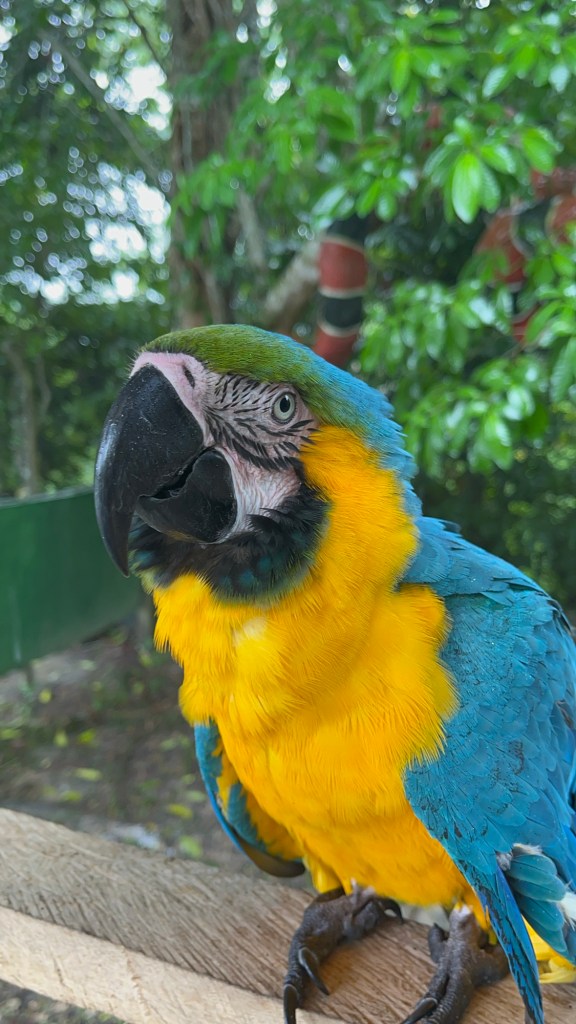
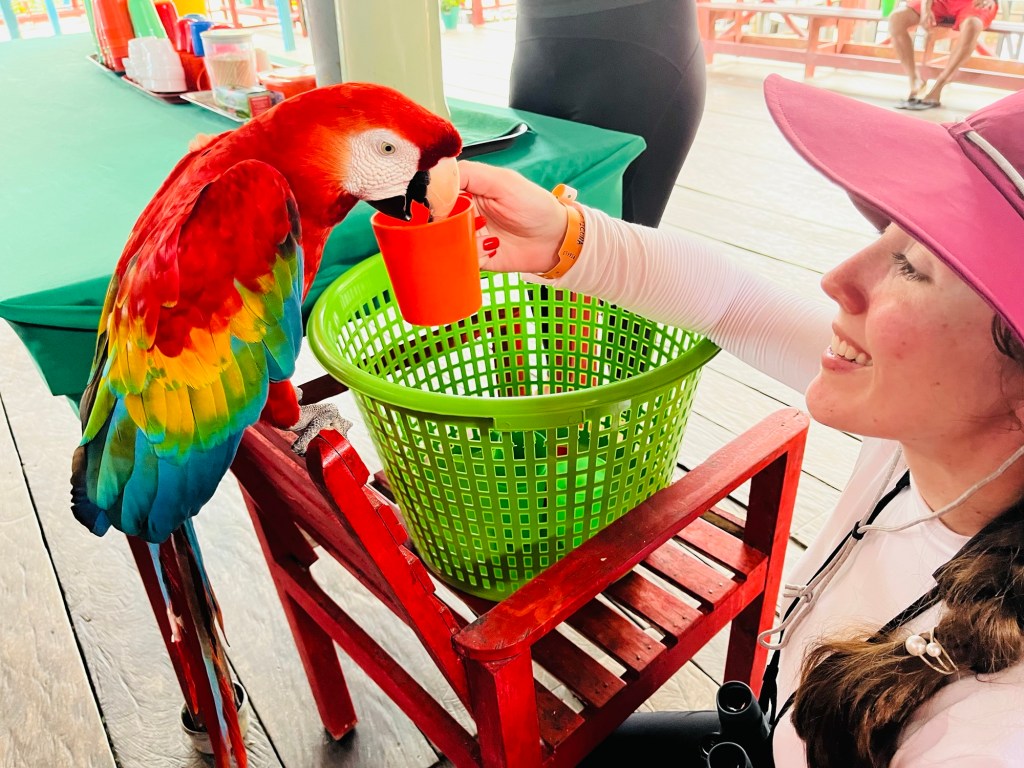
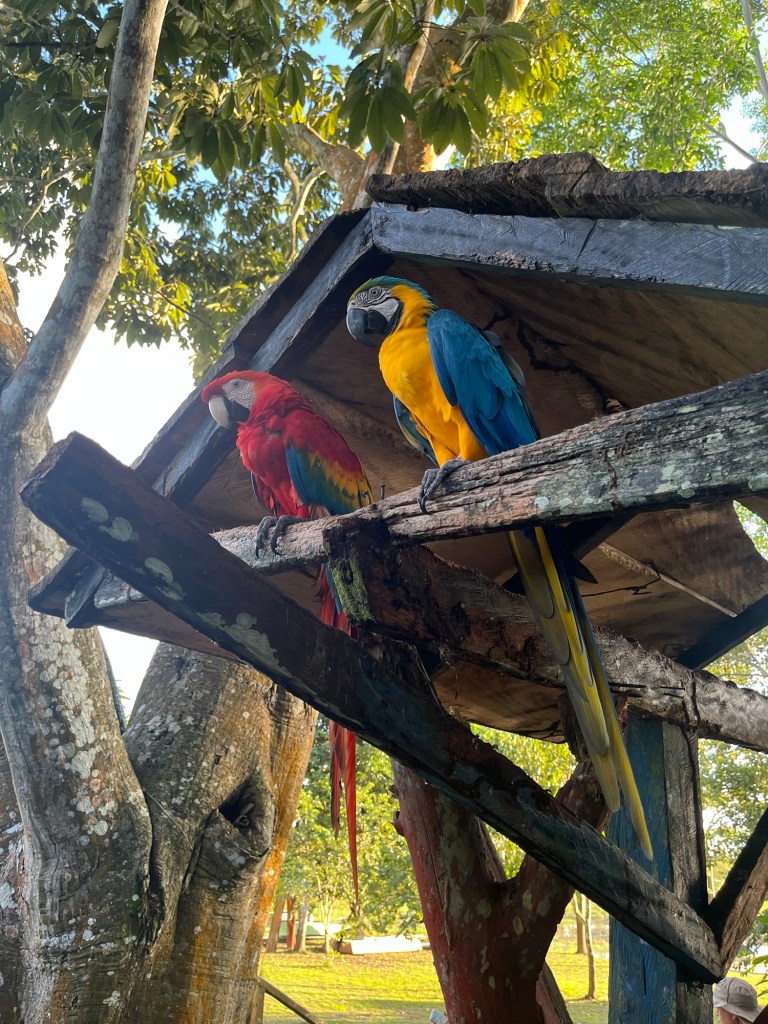
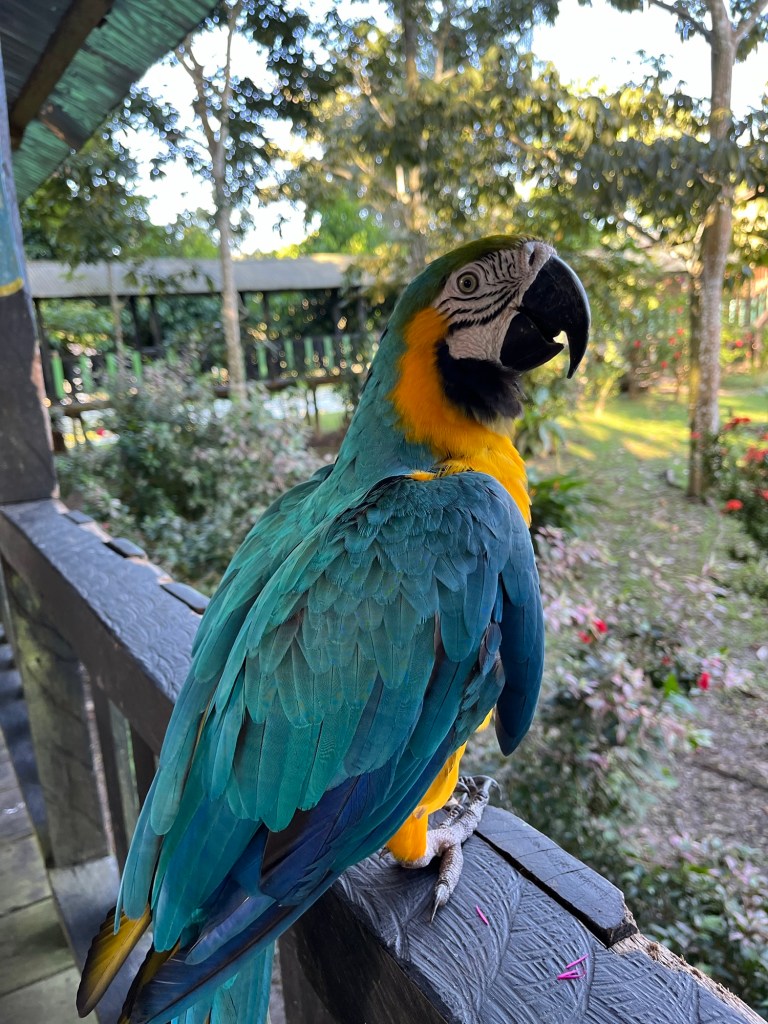
And the guacamayas, macaws painted in bright reds, blues, yellows, and greens. They were breathtaking against the jungle backdrop. Yet some had their wings clipped, unable to fly, and were always asking people for food or water. They were still beautiful, but in a place defined by freedom, their stillness felt bittersweet.
Reflections
We stayed at the Hotel Decameron in Leticia, the best in town, comfortable, but far from a five‑star resort. And that’s the point. The Amazon isn’t about luxury. It’s about letting the jungle surprise you.
From the mystical dolphin call to the healing plants, from ancient rituals to rainbow‑bright macaws, this trip reminded me that the Amazon isn’t just a place to visit. It’s a spell. A teacher.
The Amazon is the lungs of our planet. Gracias, Madre Selva. Gracias, Madre Tierra. 🌿💚
I’ve never been to India, but I’ve met India through its people. Their stories, humor, and warmth have taught me lessons no plane ticket ever could. This post is for my dearest Indian friends, the ones I’ve been lucky enough to meet, and the ones I’ve yet to cross paths with.
Breaking the stereotypes
Before moving to Europe, I didn’t know much about India. My ideas were limited to stereotypes: cows wandering the streets, curry (a smell I once claimed to hate!), and the assumption that “Indian” was the same as “Hindu.” Later, I picked up more “sophisticated” stereotypes: Indians worked endlessly but weren’t very proactive, were hard to communicate with, and were pressured into arranged marriages. To me, India sounded like a difficult place to be born.
But living abroad changes you. One by one, my Indian colleagues challenged those assumptions. Some ate beef. Curry turned out to be delicious (it’s now a regular on my menu). One colleague was a brilliant communicator; another was a comedian who could light up a room. It turned out India was nothing like the version I had imagined.
What I learned about marriage
Anyway, one day, I learned a valuable lesson from one of those Indian colleagues who explained to me firsthand how his own arranged marriage worked. Shocking for me! It was far from my own expectations and biases! This person explained to me that entering an arranged marriage is not as bad as it sounds for “westerners”. First of all, their family takes care of finding someone who is not only socially similar to them but also someone with whom they are more likely to get along, reducing the chances of disagreements on key matters such as finances and family goals. These Indian families are actually having the difficult conversations with the couple before it’s too late, potentially saving them years of misery and bad surprises. There are exceptions, of course, but how many of us, actually free to choose our own partner, do better without any help? Divorce rates can give us a hint 😉
Not only that, Indians face marriage with a lot of common sense and a sense of responsibility rarely found. “When you enter an arranged marriage, you don’t have any expectations. This is a good foundation for love to germinate. We both start our lives together learning to know each other without pretending to change each other, while we both have a clear shared responsibility to make this work. At the end of the day, you end up respecting and loving the person making the journey with you every day,” my Indian colleague explained. I thought he was totally right and admired how many Indians are simply more inclined to work through issues and are more dedicated to each other than us. This is, of course, not to say that everyone was made to marry, but I find it fascinating when someone shows me the other side of the story, when I can transform a negative bias into something powerful that I didn’t consider before. We’re all teachers and learners 🙂
The power of community
The second lesson I want to share comes from one of my younger Indian colleagues at work, who I had the fortune to meet both professionally and personally. One day, she explained to me that her parents are Indian immigrants in the United States, but keep a close relationship with India, their roots, and their community in general. This sounded like a very generic statement to me. At the end of the day, most immigrants try to maintain some connection with their home countries, and I’m no exception. So I asked what this meant specifically, since she had brought it up. As a great scientist, she explained it with numbers. Turns out her parents had many close friends, around 300 to be more precise. I couldn’t believe this. I always go by the “handful of friends” and assumed this is a reality for all of us. I’m starting to question this, and I believe Indians have a lot to teach us when it comes to building a community and having meaningful connections. My colleague explained that her parents achieved this number of friends by being proactive about it, and caring deeply and sincerely about others. For instance, they would go to a Walmart supermarket, and if they heard someone speaking their language, they would immediately approach them to introduce themselves and set up a meetup for later. At some point, when my colleague moved to Europe from the United States, her father personally connected with the owner of one of the local Indian restaurants in town in search of support to accommodate his daughter in the new city. His premise? “They’re Indians like us, why wouldn’t they help?” How much better place would this world be if we all operated by this motto?
My takeaway
All these experiences shared by my Indian friends and colleagues show me that there are better ways of finding purpose and happiness in life. We can start by reducing our expectations of others, of life itself, and of ourselves. And then, we can gradually begin to care more about other human beings who wish, dream, feel, and fear just like us. Having empathy can help us build a community, and a strong community makes us happier. This is something I never learned should be a priority in life, and I believe it is our shared responsibility as humans (not Indians, Westerners, or any other attempt at categorization) to take these lessons to the next level. We need to stop thinking of ourselves as individuals separated from each other and start building together.
P.s. This post was not written with the help of any GenAI tool 🙂 This is my honest, personal writing on a topic that’s becoming more and more important to me: connecting with others to find purpose.
This can be funny (and reflective) when looking backwards, that’s why I’m posting about it only 7 months after it happened. There’s are posts on the Internet that go like this: “[11, 10, 7] ways to avoid getting ripped off by taxis in Bangkok”. Can you believe this? Impossible not to think how many ways there exist for getting ripped off by a taxi, sounds like I need training!
Anyway, this is not an uncommon topic, if you’ve travelled to Thailand in southeast Asia you know getting a taxi is really complicated. But I still want to tell my story because Internet won’t make justice to my experience. Yes, I got scammed by every single taxi I took in Bangkok except one in a time span of 5 days! In one way or another, they always did it. I love traveling, but I must admit this time being a tourist sucked! Not because of the money “lost” on those scams as the quantities were low in relative comparison to my original travel currency, but because of the lack of transparency and all the lies involved :’)
It all started in the airport. We were standing in the official taxi queue. We all needed a paper ticket to show to the driver picking us up. All good so far. Suddenly, a guy out of nowhere appeared with one of those paper tickets saying we could take his as it was from a couple of tourists that had left the airport already, and we wouldn’t have to wait any longer. This would sound absolutely fine and even kind in any other country, but I offered a hard NO after having read multiplicity of blogs warning tourists about this traditional scam. If you accept, they take you on a private/luxury taxi and charge you double fare! I felt so proud of myself for being able to dodge the bullet being less than 2 hours in the country!
Anyway, our turn eventually arrived to take the airport taxi to our hotel. Driver had its license in place, everything seemed legit. First thing he says: “airport has a fixed price of 350 TBH to go to the city”. Given we were in an official taxi from the official queue, we accepted without further due. My trust started to fade away when I suddenly noticed the taximeter was marking 240 TBH by the end of our trip, 110 TBH less than what we had agreed (and payed)! The real airport surcharge (we found later over the Internet) was only 50 TBH, so he scammed us with 60 TBH, which to be honest, is not a lot of money, and I’d happily pay it if it were the real official price. The upsetting part is the dishonesty and the disrespect you feel as a tourist. Since it was our first time in the country, we considered this just an unlucky welcoming and forgot quickly about it.
But of course, that wasn’t the end.
Over the next few days, every single taxi ride became a negotiation battle, or a trap. Some drivers flat-out refused to use the meter. Others agreed to it and then “accidentally” took detours. A few even stopped mid-route to renegotiate the fare, as if halfway through the ride was a reasonable time to reopen the contract. It became exhausting. I started dreading the moment we needed to go anywhere.
At one point, I gave in and tried using Didi, the rideshare app popular in Southeast Asia. It worked better, no need to haggle, and drivers at least followed the map, but it came at a price. Didi’s surge pricing made some rides two or three times more expensive than what locals would pay. So I was left wondering: is this what fairness costs?
And that led me to the uncomfortable question: are tourists really being scammed, or are drivers simply trying to make a living in an economy that underpays them? Maybe refusing the meter is less about tricking us and more about surviving. When official fares barely cover fuel and food, isn’t everyone losing?
It doesn’t make it right. Lying to customers and taking advantage of their unfamiliarity will always feel wrong. But now, with a few months of distance, I see the bigger picture. It’s not just about bad drivers, it’s about a broken system. One where the tourist is a walking dollar sign, and the driver is cornered into bending the rules to get by.
Would I take taxis again in Bangkok? Is there a choice? I guess I’ll just mentally prepare myself for the ride, not just the physical one, but the cultural and ethical one too.
A story for us to read on the International Women’s Day!
Since I emigrated from my hometown, it became the new normal for me to visit my family and friends every year, typically for the Christmas season and January. In my last visit in 2023, 365 days since I visited the last time, things were radically different, especially with one of my grandmas.
If you’re one of the lucky ones who got their grandma still alive and she cooks delicious food for you, you’d understand that a few days before arriving I was already craving her preparations. I was so ready for a homemade lasagna, and an ajiaco, a traditional dish my grandma cooks like only the best can.
When I arrived to my grandma’s house, I automatically asked her whether she was going to cook for me or not, and to my surprise, she replied: “we’ll see about that later”. “Later?” I thought, – this has never happened! What’s going on with my grandma?! -. Anyway, days went on, and I even left without having my special lasagna or ajiaco. I guess we never “saw about that”. I realized during those days that my grandma was already very tired. Tired of cooking, of raising children, grandchildren, tired of years of being a housewife, having to do everything for his husband. She was tired of leading the way for a family that didn’t seem to follow her guidance anymore. It didn’t seem to me like tiredness of living, but just a revolution taking place inside her, a way to say: I’m done with this, and I’m not asking for permission.
And at one of those moments while being with her, I realized how thwarted our expectations of grandmas and mothers are. Even myself, a self proclaimed feminist of the twenty first century, found myself expecting, even before arriving there, that my grandma would be happy to cook for me, just as always, without realizing how much work that entails for her, and how she receives no compensation for. You would say: “well, grandmas love family and seeing them happy, and certainly they know their food makes family happy”. Agreed, but yet, my grandpa also got to see me and enjoy a good time with me, with the difference that I didn’t expect anything from him nor from any other family members, including my own father. Why do we always have the highest expectations put on our women? Why is the bar for them so high?
My conclusion, because this was not an official communication to the family, is that my grandma finally quit her unpaid housewife job, and I feel so proud of her. Years of hard work should have ended a while ago, as she is 84 and deserves some tranquility now. The best part of this is that she’s got a raise! Now my father and uncles cook more for her and my grandpa, and they spend more time in the house. When they are not around, a surprise food delivery arrives and my grandma doesn’t have to worry about lunch or dinner. Breakfasts are still on her, but this is a least complicated task she seems okay with.
In a nutshell, my family is no longer accepting by default that grandma still has to cook for us just because that’s what she has always done. My grandpa retired years ago, why can’t she do the same? This was also an important lesson for myself: to value my family not because they meet my own expectations, but just because, and I feel we all own our grandmas, and in general, to all women in our families that for millennia have been doing all the unpaid work no one seems to notice, but which no one can live without. We are all due to their cleaning and their cooking and their care. Let’s take a moment to acknowledge all that free work they did just so we could live comfortable and safely, and please take your women out for lunch more often, or even better: prepare it yourself as a way to give them back a little of what we always considered for granted. Cheers to our women! Today, and forever!
P.s. Share your grandma in the comments, would love to see you having lunch together
Is Dubai just one more urban jungle? A desert with a bunch of buildings all over the place to make it look nice an cool?
This simplistic question was rounding my head before I visited Dubai in December 2022. Some friends and colleagues had told me how impressive the city was, and how it was increasingly welcoming expats to materialize their vision of being a global destination for tourism, work, and business. Yet, I was failing to imagine how it would be different from New York or Hong Kong beyond the geographical and cultural nuances. Wasn’t the entire UAE simply another rich Arab country building skyscrapers? I thought for myself.
From the moment I set foot in the UAE, I felt welcomed. I went there while the Soccer World Cup was taking place in Qatar, and Dubai wouldn’t miss to attract tourists along the way. Once I landed, the immigration official who stamped my passport at the airport gave a me a free personalized 2GB SIM card, and so every other official to every single person entering the country. Although I never ended up using the SIM, I just thought how cool this gesture was, and how this would have helped me in other countries I’d visited before.
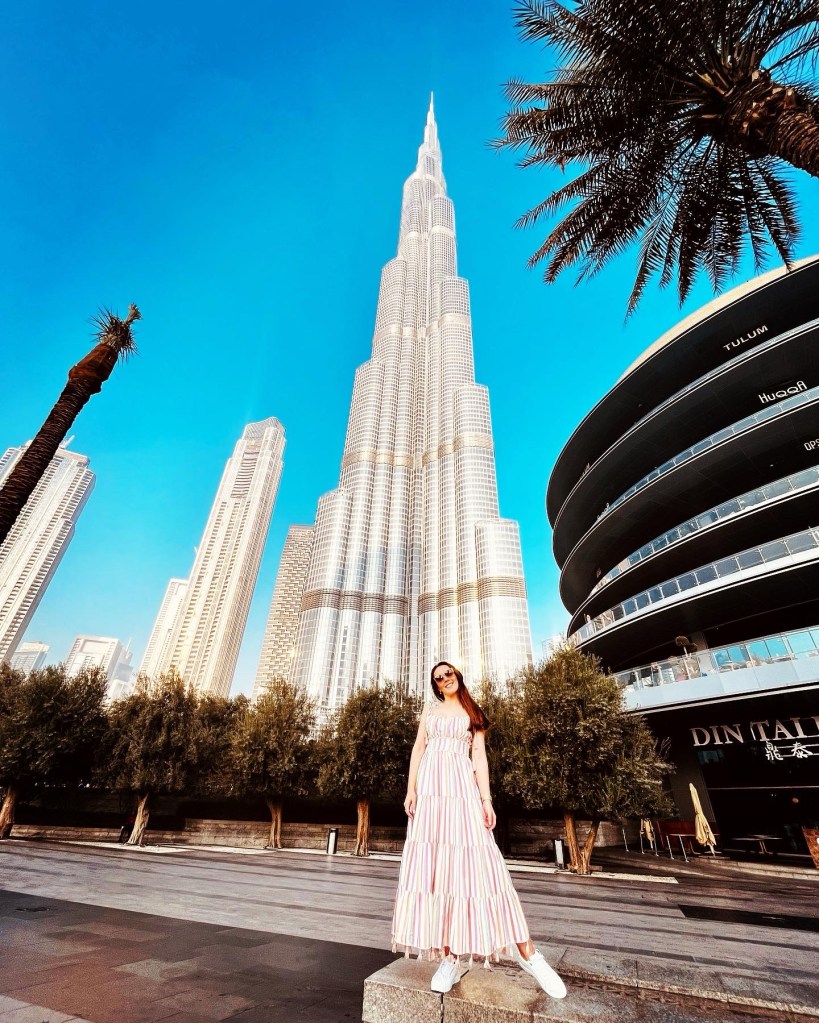
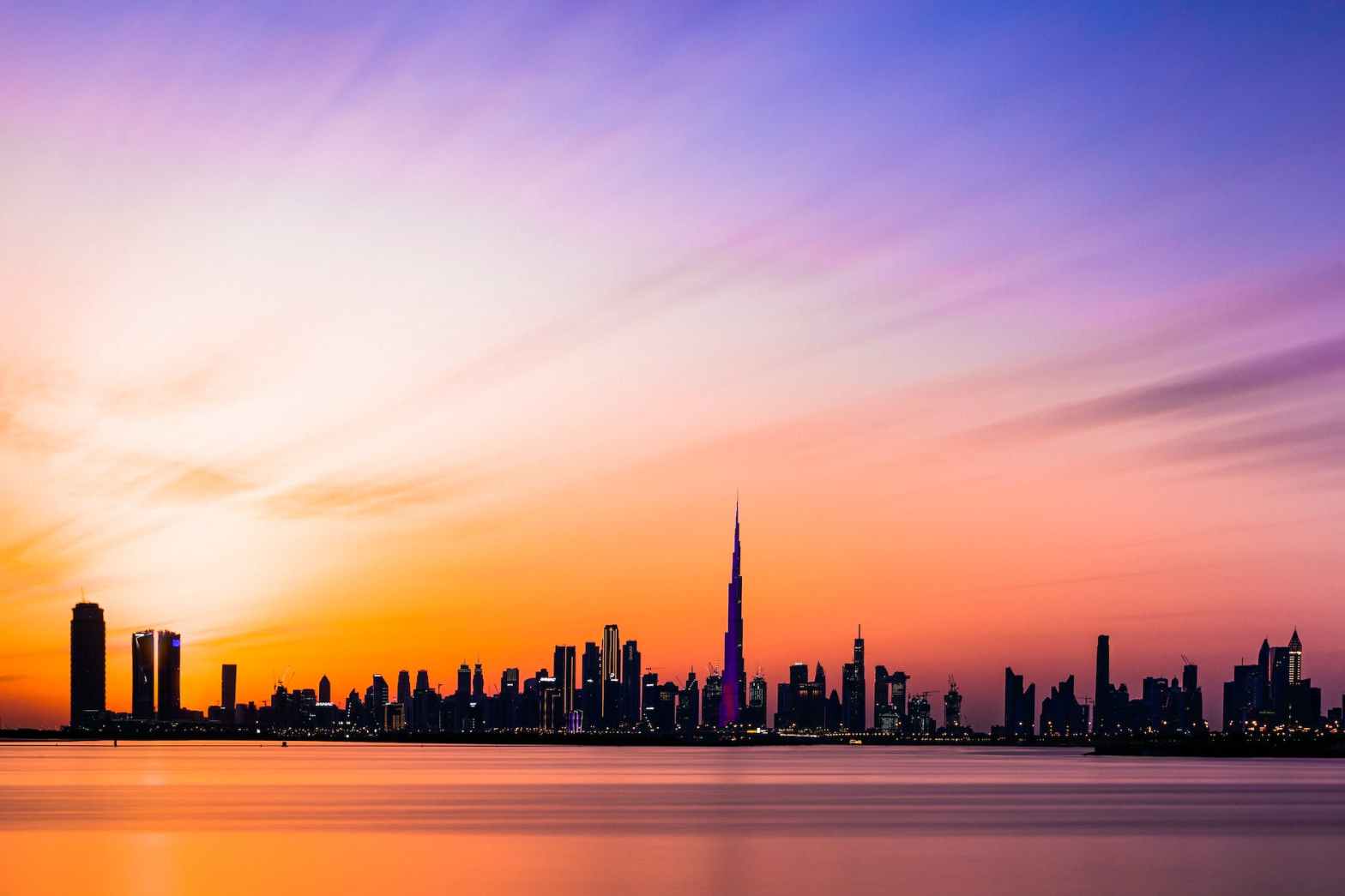
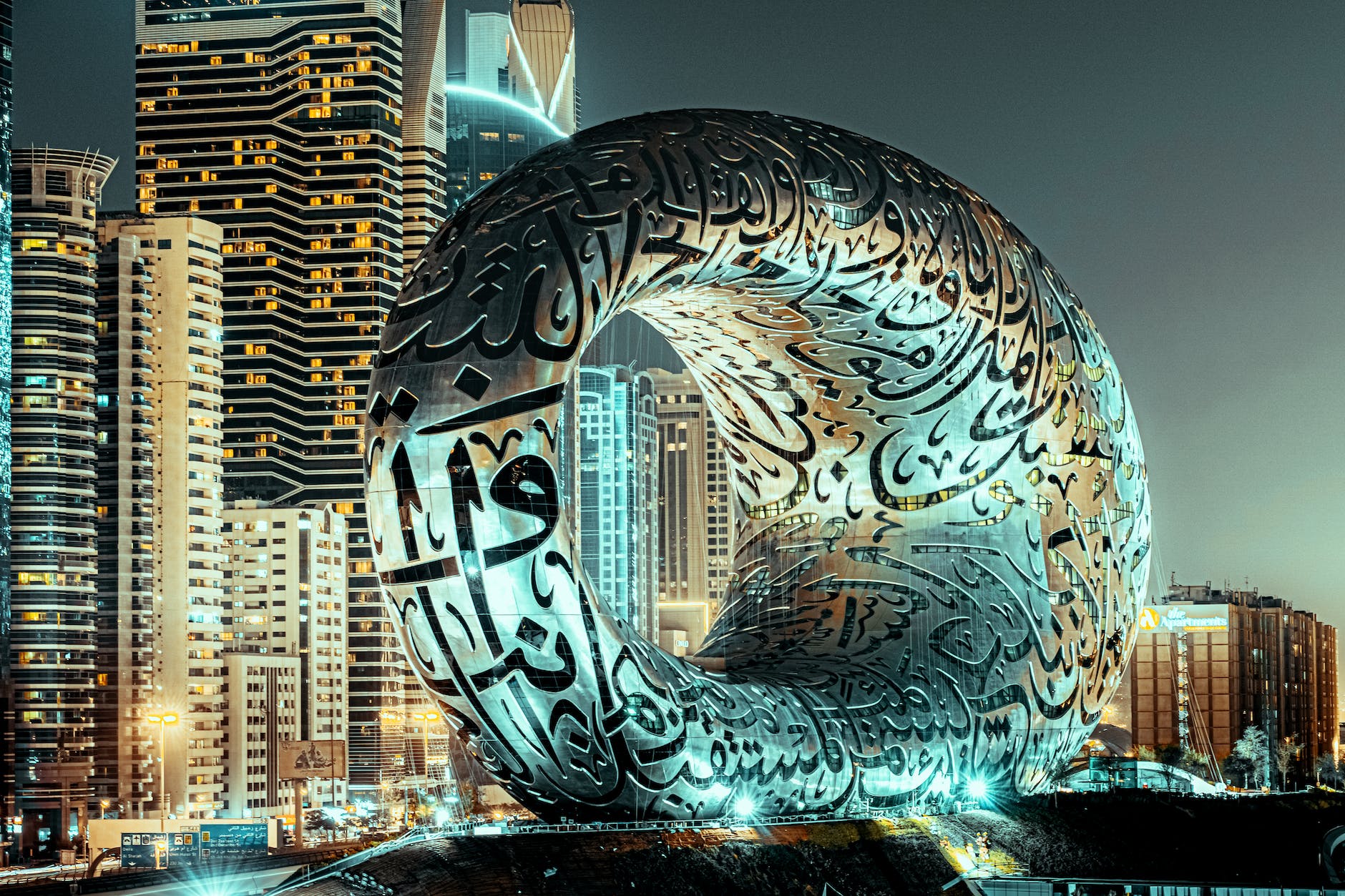
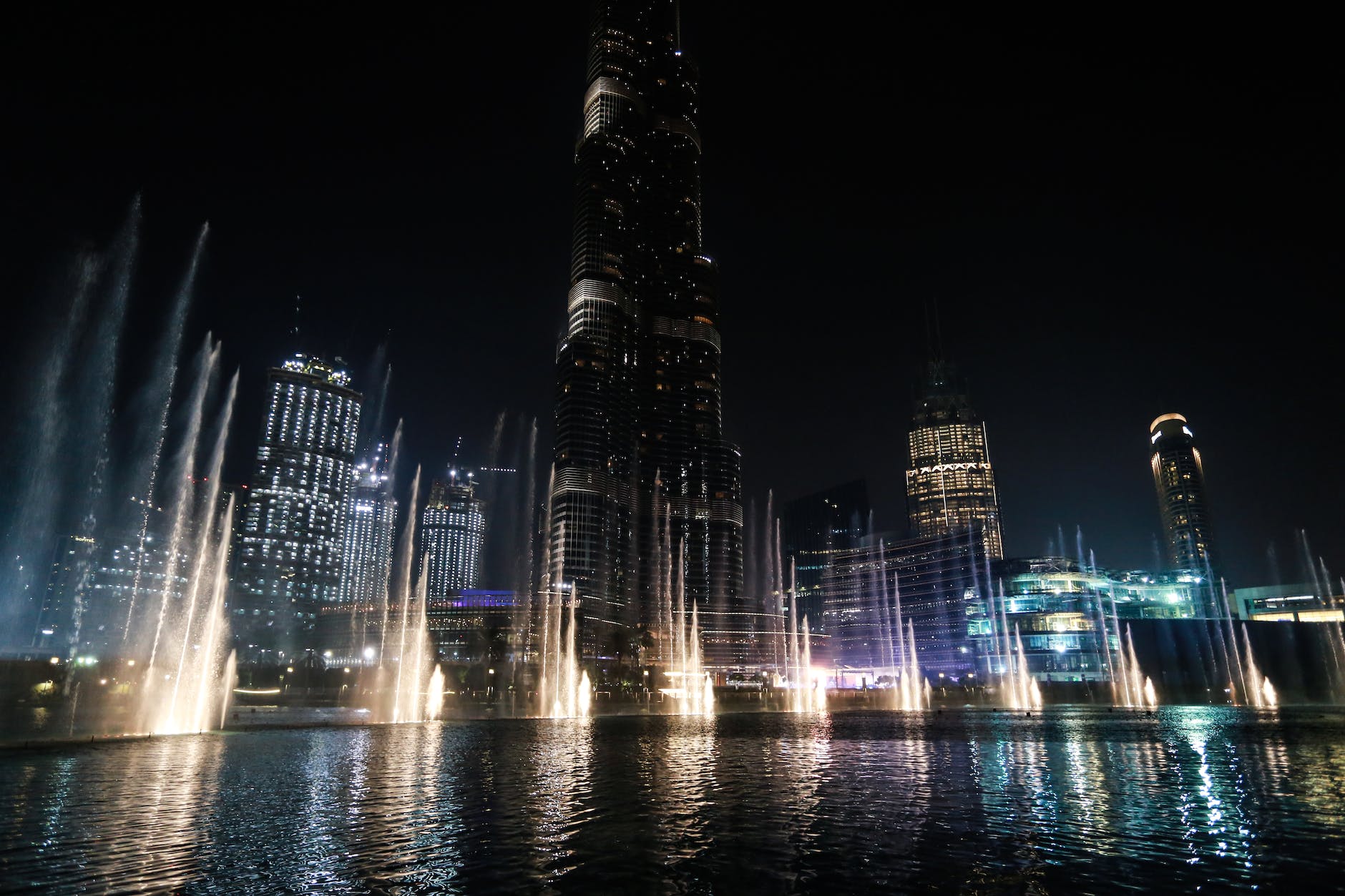
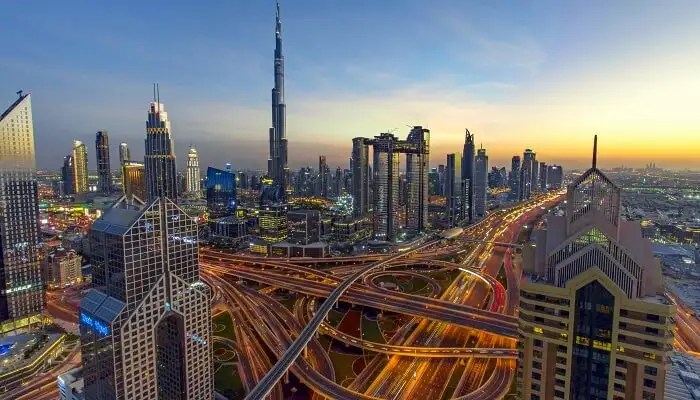
I started touring the city with frenetic excitement. I checked all the bucket list places: the Burj Khalifa, the Burj Al Arab, the famous made-man beaches in The Palm Jumeirah, and the impressive museum of the future, just to mention a few. Luxury, innovation, and cleanliness were everywhere. At some point it even became hard to imagine why the had built so much, as the number of skyscrapers, housing complexes and shipping malls looked excessive for the population. Seriously, who really needs to host the tallest building in the world?, and why do they need so many malls? I thought.
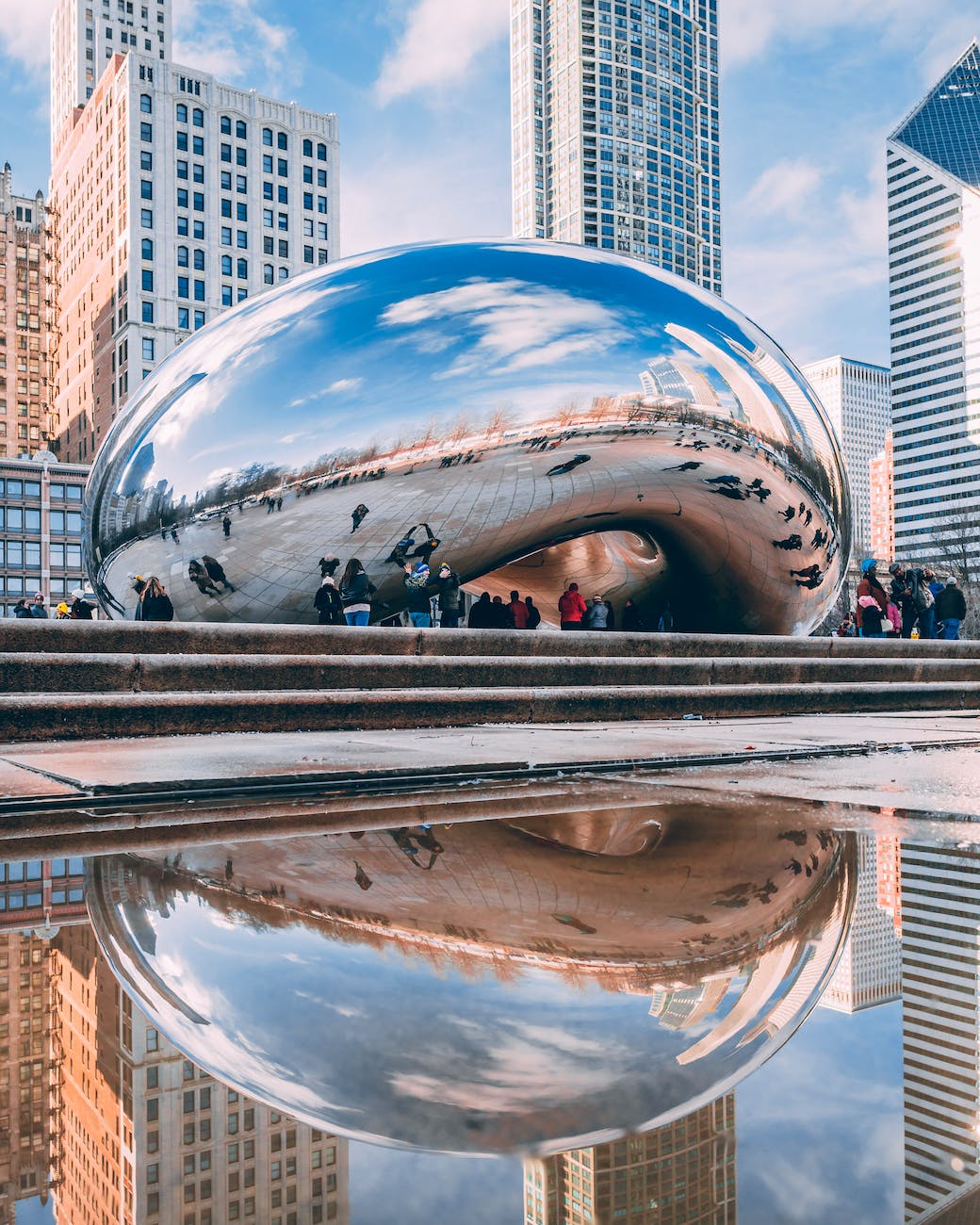
Place by place, the answer became almost tangible. The UAE wants to show the rest of the world how what we considered the best in urban development is just normal there, and Dubai won’t settle for less than first class. The famous Chicago bean is embedded into the museum of the future, the Dubai Mall Fountain resembles the Bellagio Water show in Las Vegas, and the Burj Khalifa together with the Burj Al Arab just put the country on the global watch list with the tallest free-standing structure in the world and a self-proclaimed 7-star hotel. All this without mentioning their several water parks and the miracle gardens Dubai hosts in an effort to also bring greenness to the city.
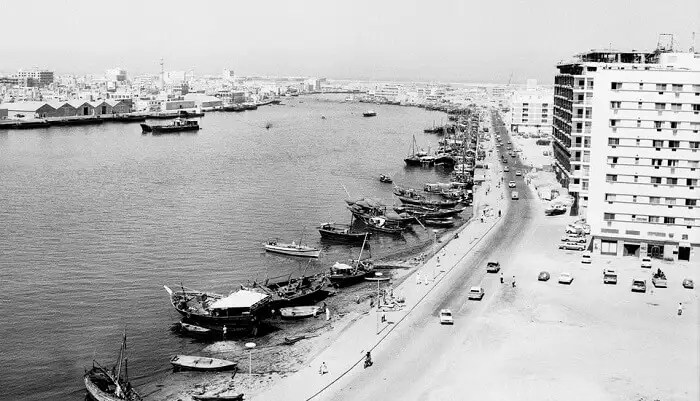
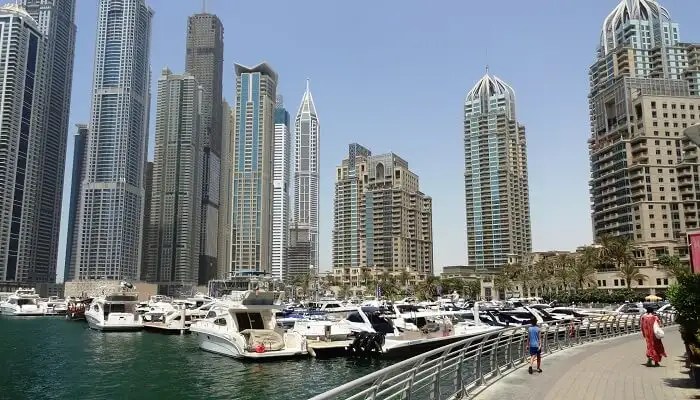
The extravagance of emulating what the rest of the world did decades ago is partially why some people have accused Dubaiof being characterless. However, how can a city that built and developed itself beyond the first-world in less than 40 years be called characterless? How is a city trying to progress and reinvent itself at every possible opportunity be called as such? Dubai is the most cosmopolitan city in the world, with +85% per cent of its population foreign-born. This place is home for everyone, built by everyone. Proof? I found myself having one the best Indian contemporary curries I’ve tasted so far in the famous TimeOut Market Dubai (yes, I’m saying so even when coming from Britain, where excellent curries can be found around the corner), and truly unforgettable authentic Italian Pistachio gelato. I’m still wondering how offering the best food from every city in the world would be characterless.
Dubai waterfront in 1954 vs today
Dubai marina in 2000 vs today
By the end of my trip, I concluded Dubai was a worth visiting place, and it was much more than a desert with buildings. The uniqueness of this place is fingerprinted everywhere and goes way beyond the impressive structures. Dubai’s urban development is almost yelling excellence, perfection, and a willingness to do things right to the extent possible. Sure, they got the money (and the oil) to do that, but it looks to me it also takes a strong sense of direction and commitment to be able to amaze the entire world at all times. Dubai’s character is showing the rest of us how the impossible can be otherwise. Who would have imagined a pretty much infertile desert could host the best of Paris, the Americas, Asia, and so many other great places? Dubai is real proof of where resilience, creativity and innovation can take humanity, and hope I’ll be around a few more decades to witness it.
Have you visited Dubai yet? If so, are you also wondering how Google Maps there will change in 3 years from now? If not, how do you feel about start planning your trip? You might get there just in time to visit the first moon-resembling resort to experience affordable space tourism on the ground. Happy travels!
If you enjoyed this post don’t forget to like, follow, share and comment! Happy to hear from you via email at: airamgabriela17@gmail.com






















 Random Lessons